Waterproof coating on roof: what pros are really doing in 2025
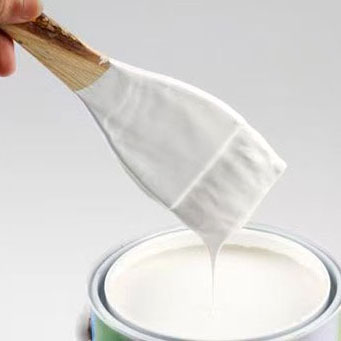
If you’ve chased a leak across a ceiling tile at 2 a.m., you know the story: water always wins—unless you choose the right system. Lately I’ve been visiting job sites where a simple liquid-applied solution saved owners from full tear-offs. The go-to? waterproof coating on roof—not glamorous, but remarkably effective when specified and installed properly.
Why now: climate swings, ESG targets, and budget reality
Insurers push resilience, CFOs push OPEX over CAPEX, and maintenance teams want fewer surprises. Modern elastomeric systems (acrylic, silicone, polyurethane) deliver reflectivity, UV durability, and continuous membranes around penetrations. Many customers say they’re surprised how quiet the building feels after coating—less thermal stress, fewer expansion noises. Not scientific, but interesting.
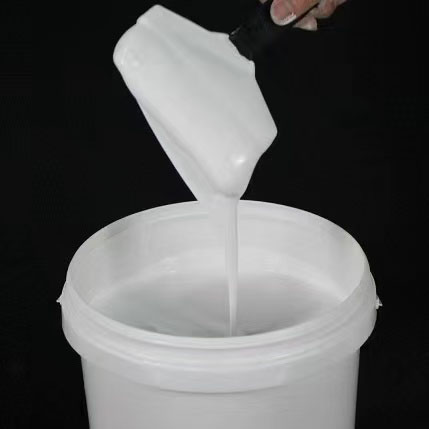
Product snapshot: Waterproof Coating (custom chemistries)
Origin: Room 1314, Block A, Huaye Building, No. 388 Xinhua Road, Qiaoxi District, Shijiazhuang, Hebei. In practice, specifiers choose the resin based on substrate and climate. Below are typical values—real-world use may vary.
| Parameter | Spec (≈) | Notes |
|---|---|---|
| Chemistry | Acrylic / Silicone / PU | Selected per roof and ponding risk |
| Solids by volume | 55–98% | High solids reduce shrinkage |
| Elongation (ASTM D2370) | >250–600% | For movement and hail flex |
| Tensile strength | 1.5–3.5 MPa | Varies with resin |
| Permeance (ASTM E96) | 0.5–10 perms | Breathable vs. vapor-tight, choose carefully |
| Reflectance / SRI | 0.80–0.88 / 100–110 | Cool-roof benefit on white topcoats |
| Dry time (25°C) | 2–6 h per coat | Humidity dependent |
Where it works
- Metal roofs with seam movement; aged single-ply (EPDM, TPO, PVC) after cleaning and adhesion testing; concrete decks with primer; modified bitumen and BUR after bleed-block. Industries: logistics, retail, schools, light manufacturing, data halls (with higher QA, obviously).
Application flow (field-proven)
- Survey and moisture scan (infrared or capacitance). Mark wet substrates for repair.
- Power-wash and degrease; check pH on concrete; allow to dry to spec.
- Adhesion tests (ASTM D7234 pull-off). If low, adjust primer.
- Treat seams/penetrations with polyester fabric reinforcement.
- Prime per substrate; then base coat at 0.8–1.2 mm WFT, verify with gauge.
- Topcoat to total DFT ≈ 1.2–2.0 mm (silicone often higher in ponding zones).
- QA: cure checks, holidays, adhesion re-tests; document photos + WFT logs.
Testing standards typically referenced: ASTM D6083 (acrylic), ASTM D6694 (silicone), ASTM D2370 (tensile/elongation), ASTM E96 (permeance), and UL 790 for roof fire classification. Service life: around 10–25 years with inspections and recoats.
Vendor snapshot (real-world buying factors)
| Vendor | Lead time | Certs | Customization | Warranty |
|---|---|---|---|---|
| GARDEPOTA (Waterproof Coating) | ≈ 2–4 weeks | ISO 9001; third-party tests on request | Color, solids, viscosity, primers | Up to 15–20 yrs (project-specific) |
| Vendor A | 3–6 weeks | ISO 14001, CRRC listings | Limited color; fixed resin | 10–15 yrs |
| Vendor B | Stock + 1 week | UL 790 Class A assemblies | Custom primers only | Up to 20 yrs |
Case notes and feedback
Hebei logistics warehouse (4,200 m²): aging metal roof, movement at fasteners. System: rust-inhibiting primer + reinforced seams + high-solids silicone top coat. Pull-off adhesion averaged 1.2 MPa, post-cure. After one monsoon season, leak calls dropped to zero; energy bills dipped ≈9% in summer, according to the facility manager. Another client told me, “We expected mess, got a quiet two-week install and a cooler building.”
Customization tips
- For ponding areas, pick silicone or a ponding-rated PU. Keep total DFT higher.
- For high UV and cool-roof goals, white acrylic or silicone with CRRC data.
- For vapor drive, check permeance; you may need a more breathable system.
- Don’t forget movement joints—fabric reinforcement is cheap insurance.
Bottom line: a waterproof coating on roof can extend service life without the chaos of a tear-off. With documented QA and adherence to standards, a waterproof coating on roof becomes a predictable asset rather than a gamble.
Standards and references
- ASTM D6083 – Standard Specification for Liquid-Applied Acrylic Coating for Roofing.
- ASTM D6694 – Standard Specification for Liquid-Applied Silicone Coating for Roofing.
- NRCA Roofing Manual – Membrane Roof Systems, latest edition.
- Cool Roof Rating Council (CRRC) Product Directory and technical references.
- UL 790 – Standard Test Methods for Fire Tests of Roof Coverings.