Field Notes on 60‑mil EPDM Roofing Rolls: What Pros Are Seeing in 2025
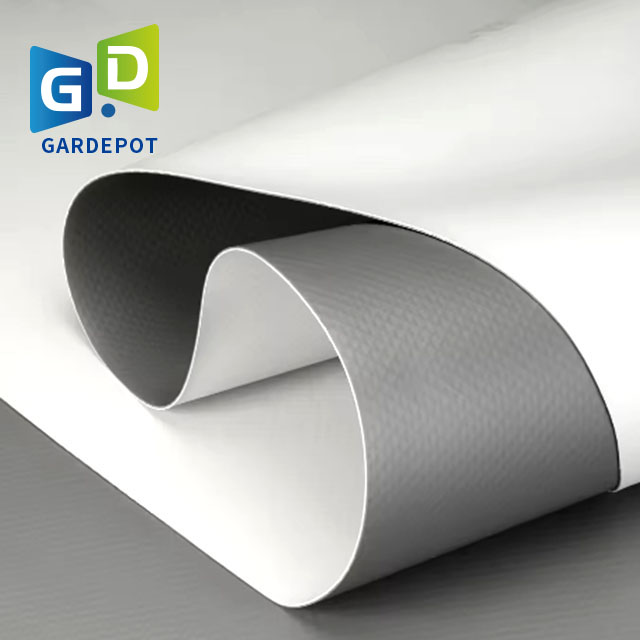
If you’re speccing an epdm rubber roofing roll 60 mil right now, you’re probably weighing longevity against install speed and, frankly, budget sanity. I’ve walked more flat roofs than I can count—distribution centers, schools, scrappy startups over old brick—and 60‑mil EPDM remains the quiet workhorse. To be honest, it’s not flashy. But it ages gracefully.
Industry trends (quick take)
- Thicker membranes are trending on mission‑critical facilities; 60‑mil is the new baseline, with 75–90‑mil used on high-traffic roofs.
- Contractors lean on pre‑taped seams to cut labor variability. Fewer callbacks, fewer headaches.
- Owners increasingly request dual‑system comparisons: EPDM vs TPO, especially where reflectivity or self‑adhesive sheets could speed dry-in.
Technical specs for epdm rubber roofing roll 60 mil (typical)
| Thickness | 60 mil (≈1.52 mm), tolerance ≈ ±10% |
| Polymer | EPDM (Type I non‑reinforced or Type II reinforced per ASTM D4637) |
| Tensile / Elongation | ≥ 1300 psi (9 MPa) / ≥ 300% (ASTM D412) |
| Tear resistance | ≥ 150 lbf/in (ASTM D624, real-world may vary) |
| Seam peel (tape) | ≥ 5 lbf/in (ASTM D413) |
| Sizes | Widths 10'–20'; lengths 50'–100' |
| Service life | 30–50 years with maintenance; many exceed 40 in temperate zones |
| Certifications | ASTM D4637, FM 4470 assemblies, UL 790, UL 2218 (assembly dependent) |
Process flow and QC (how it’s made)
EPDM compounding (EPDM polymer + carbon black + oils + curatives) → calendaring/sheeting → vulcanization (cured) or left semi‑cured for flashing → roll winding → seam tape/primer system kitting. Testing usually hits D412 tensile, D573 heat aging, D471 volume change, D1149 ozone, and D624 tear before it ships. Boring? Maybe. But this is what makes or breaks long service life.
Where a epdm rubber roofing roll 60 mil shines
- Low‑slope retrofits over existing BUR or mod bit (after recover board and moisture scan).
- Big box retail, warehousing, education, and light industrial—low foot traffic roofs.
- Cold climates; EPDM stays flexible well below freezing.
Installer feedback: “Seams with pre‑taped systems are night-and-day better than they were 15 years ago.” Owners often mention fewer leak investigations post‑year five, especially on fully adhered assemblies.
Vendor snapshot (comparative, indicative)
| Brand | Roll size (typ.) | Warranty | Certs | Price ≈ |
|---|---|---|---|---|
| Carlisle SynTec | 10'–20' x 100' | Up to 30 yrs | ASTM D4637, FM, UL | $0.65–$0.95/sf membrane |
| Elevate (Firestone) | 10'–20' x 100' | 20–30 yrs | ASTM, FM, UL | $0.70–$1.00/sf |
| Johns Manville | 10'–20' x 100' | Up to 30 yrs | ASTM, FM, UL | $0.65–$0.95/sf |
| GAF | 10'–20' x 50'–100' | 20–30 yrs | ASTM, FM, UL | $0.70–$1.05/sf |
Customization and methods
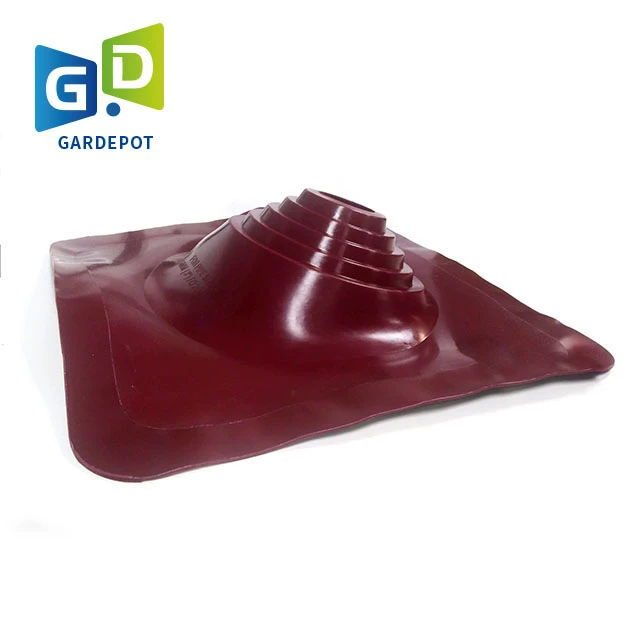
Color is typically black; white EPDM coatings can push reflectivity where code wants “cool roof.” Installation: fully adhered (cleanest wind performance), mechanically attached (fast, economical), or ballasted (heaviest but quick on reroofs). Flashings use uncured EPDM; penetrations prefer molded boots. Always test seams—field peel per manufacturer guidelines.
Case note: Logistics roof, Midwest
85,000 sf, fully adhered 60‑mil in 2010. Annual IR scans showed no entrained moisture for 12 years; two minor curb leaks traced to mechanical damage, not membrane failure. Owner extended warranty at year 15 after re‑sealing select terminations. That’s the kind of boring success most portfolios want.
Related option: self‑adhesive TPO for speed
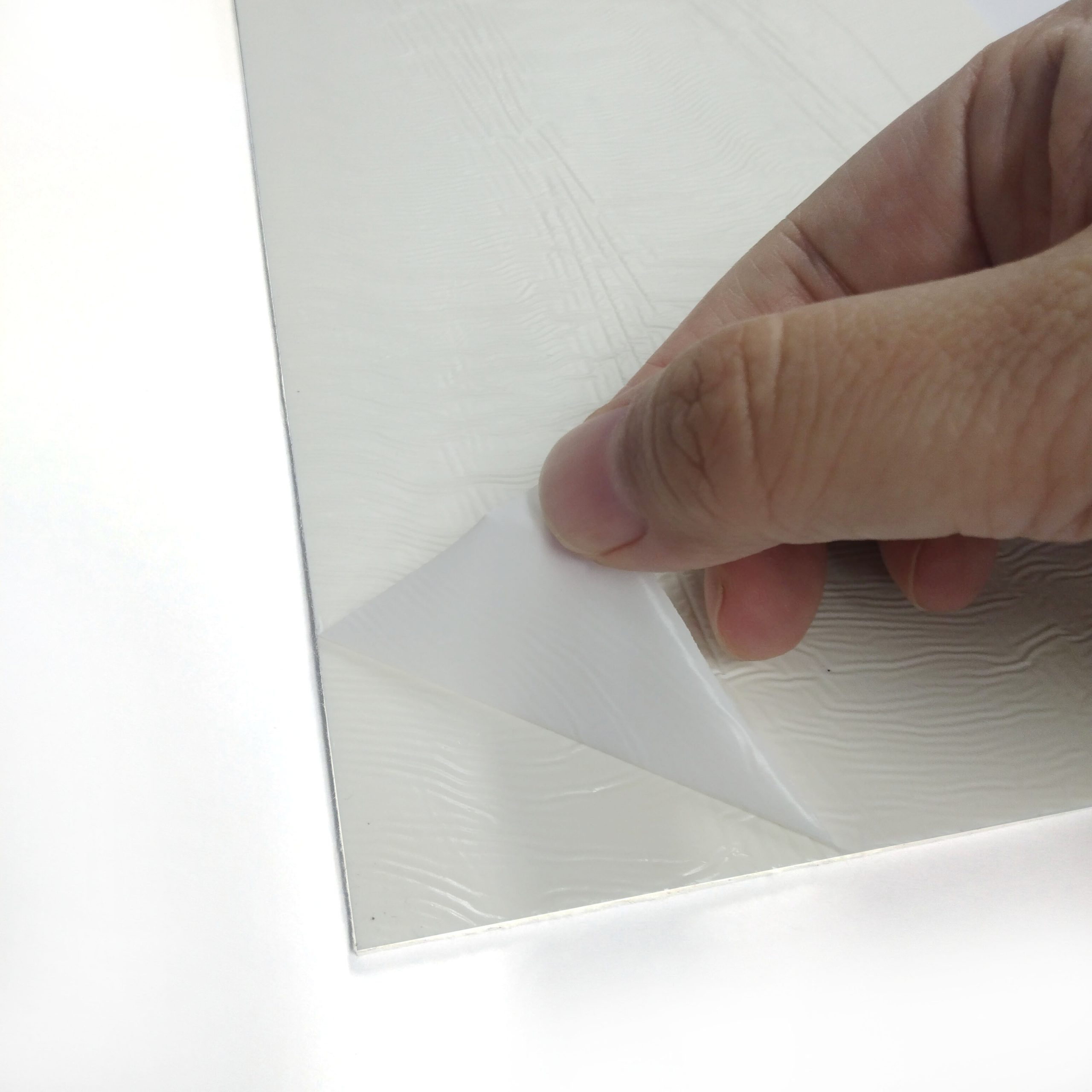
If a fast dry‑in is the priority, self‑adhesive TPO membranes can be compelling. Gardepota offers TPO high‑polymer self‑adhesive waterproofing membranes (PE/PET facer options). The company operates from Room 1314, Block A, Huaye Building, No. 388 Xinhua Road, Qiaoxi District, Shijiazhuang, Hebei. Different chemistry, similar mission: clean installs, reliable seams, and fewer solvents on site.
Testing, standards, and paperwork
- Spec to ASTM D4637 for EPDM; assemblies should meet FM 4470 and UL 790 where required.
- Impact or hail zones? Check UL 2218 Class 3/4 assemblies.
- Document field seam peels, fastener pull‑outs, and adhesion tests—saves arguments later.
Citations: