Understanding Exposed Waterproofing Membranes in B2B Applications
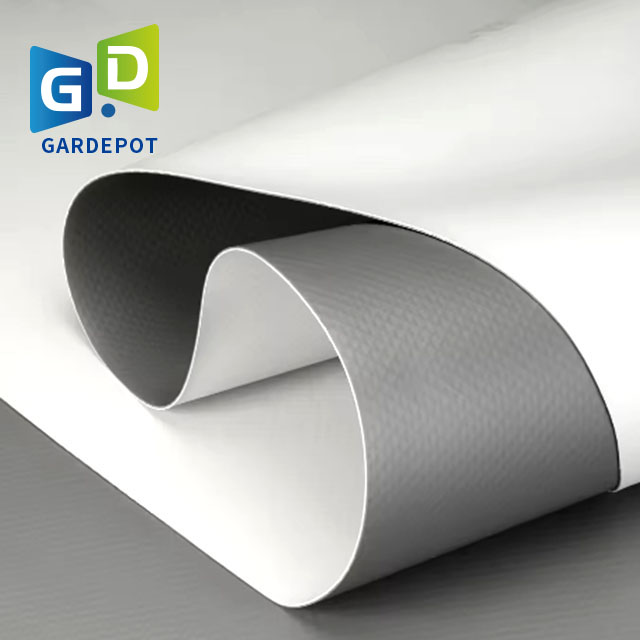
In the demanding landscape of modern construction and infrastructure, the integrity of a structure hinges significantly on its protective layers. Among these, the exposed waterproofing membrane stands as a critical component, engineered to withstand direct environmental assault while providing an unyielding barrier against moisture ingress. Unlike membranes concealed beneath ballast or overburden, exposed systems are designed for full UV resistance, extreme temperature fluctuations, and mechanical stresses inherent in open-air applications. Our focus here is on advanced PVC self-adhesive waterproofing membranes, which represent a pinnacle of technical innovation for B2B applications, offering robust performance for a wide array of industrial and commercial projects. These membranes are integral for ensuring long-term asset protection and reducing maintenance costs across various sectors.
This comprehensive guide delves into the manufacturing processes, technical specifications, application scenarios, and distinct advantages of these specialized membranes, providing B2B decision-makers and engineers with the crucial insights needed for informed material selection.
The Manufacturing Process of PVC Self-Adhesive Exposed Waterproofing Membranes
The production of high-performance PVC exposed waterproofing membrane involves a sophisticated, multi-stage process that ensures material consistency, structural integrity, and long-term durability. This technical precision is vital for membranes that will be directly exposed to the elements, unlike concealed systems. The primary materials include high-quality PVC resin, plasticizers for flexibility, UV stabilizers for weather resistance, flame retardants, and various reinforcing agents, often a non-woven polyester fabric or fiberglass mesh, embedded within the PVC compound. The self-adhesive layer typically consists of a modified bitumen or acrylic adhesive, protected by a release liner.
Process Flow:
- 1. Material Preparation: Raw PVC resin, plasticizers, UV inhibitors, flame retardants, and other performance additives are precisely measured and mixed in high-speed blenders to create a homogenous compound. This step is critical for achieving the desired physical and chemical properties.
- 2. Calendering or Extrusion: The PVC compound is then either calendered (passed through a series of heated rollers to form a continuous sheet) or extruded (forced through a die) to create the primary waterproof layer. This process ensures uniform thickness and density across the membrane.
- 3. Reinforcement Lamination: A high-strength reinforcing fabric, such as non-woven polyester or fiberglass, is introduced and laminated into the molten or semi-molten PVC sheet. This internal reinforcement provides dimensional stability, puncture resistance, and enhances tensile strength, crucial for a robust exposed waterproofing membrane.
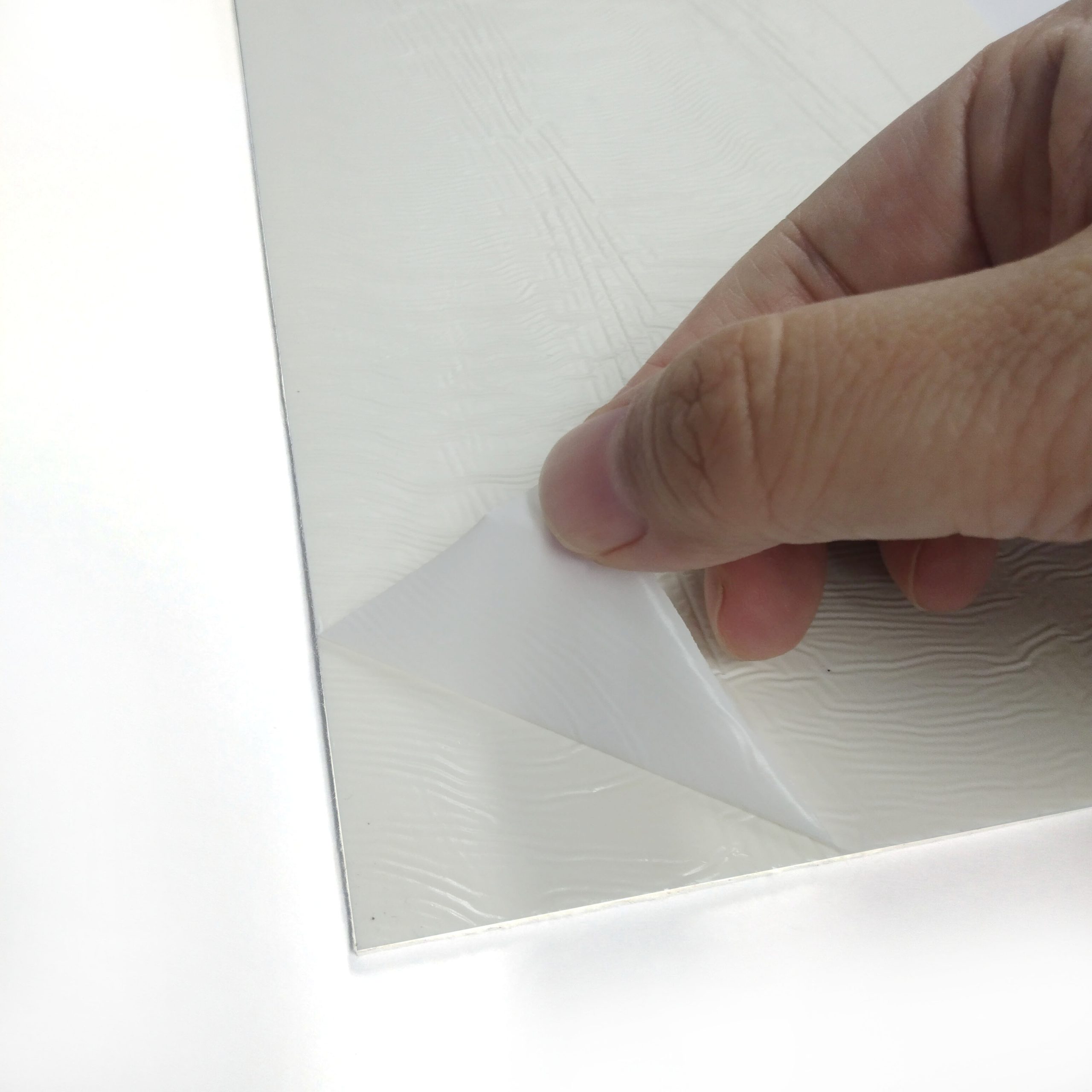
- 4. Application of Self-Adhesive Layer: After the primary PVC layer is formed and cooled, a specialized self-adhesive compound is uniformly applied to one side of the membrane. This adhesive is formulated for strong, long-lasting adhesion to various substrates and often features cold application properties, simplifying installation.
- 5. Protective Release Liner: A removable siliconized release liner is applied over the self-adhesive layer. This liner protects the adhesive during storage and transportation and is peeled off just before installation.
- 6. Curing and Stabilization: The finished membrane is allowed to cool and stabilize, ensuring all layers are properly bonded and the material properties are set.
- 7. Quality Control and Testing: Throughout the entire process, rigorous quality control checks are performed. Samples are subjected to a battery of tests including tensile strength (ASTM D882), tear resistance (ASTM D1004), elongation, water impermeability (ASTM D751), UV resistance (ASTM G155), and dimensional stability (ASTM D1204). Adherence to international standards such as ISO 9001, ASTM, and ANSI ensures consistent product quality and reliable performance.
The meticulous control at each stage, from raw material sourcing to final product testing, guarantees that the PVC exposed waterproofing membrane meets the stringent demands of its service life, which often exceeds 20 years in challenging outdoor environments. Target industries include petrochemical facilities, metallurgy plants, water supply & drainage infrastructure, and commercial roofing, where advantages like exceptional corrosion resistance and energy saving (due to high solar reflectivity) are paramount.
Technical Specifications and Performance Parameters
Selecting the correct exposed waterproofing membrane requires a detailed understanding of its technical specifications. Our PVC Self-Adhesive Waterproofing Membranes are engineered to deliver superior performance characteristics, meeting or exceeding industry benchmarks. Below is a detailed table outlining typical parameters for our product line, offering transparency and enabling direct comparison for B2B procurement processes.
PVC Self-Adhesive Waterproofing Membrane Specifications
| Parameter | Unit | Typical Value (PVC Self-Adhesive) | Test Standard |
|---|---|---|---|
| Thickness | mm | 1.2 - 2.0 (customizable) | ASTM D751 / EN 1849-2 |
| Tensile Strength (MD/CD) | N/50mm | ≥ 1100 / ≥ 1000 | ASTM D882 / EN 12311-2 |
| Elongation at Break (MD/CD) | % | ≥ 15 | ASTM D882 / EN 12311-2 |
| Tear Resistance | N | ≥ 250 | ASTM D1004 / EN 12310-2 |
| Water Impermeability | kPa | No leakage @ 600 kPa for 24h | ASTM D751 / EN 1928 |
| UV Resistance (Q-UV 5000h) | % strength retention | ≥ 90 | ASTM G155 / EN 1297 |
| Service Temperature Range | °C | -40 to +80 | Internal Testing |
| Puncture Resistance (Static) | N | ≥ 200 | EN 12691 |
| Solar Reflectance Index (SRI) | - | ≥ 80 (White surface) | ASTM E1980 |
| Service Life Expectancy | Years | 20+ | Accelerated Weathering / Field Data |
These parameters highlight the robust design of our PVC exposed waterproofing membrane, offering exceptional resistance to environmental degradation, mechanical stress, and thermal cycling. The high SRI value for white membranes contributes significantly to energy savings by reducing the urban heat island effect and lowering cooling loads in buildings.
Industry Trends and Application Scenarios
The demand for resilient and sustainable waterproofing solutions is growing, driven by stricter building codes, extreme weather events, and an increased focus on energy efficiency. Current industry trends point towards self-adhered systems for ease of installation, high reflectivity for energy conservation, and robust formulations for extended service life. Our PVC self-adhesive membranes align perfectly with these evolving demands.
Target Industries and Typical Application Scenarios:
- Commercial & Industrial Roofing: Ideal for large flat or low-slope roofs on manufacturing facilities, warehouses, data centers, and commercial buildings. The exposed waterproofing membrane provides an immediate, durable, and highly reflective surface, contributing to significant energy savings.
- Petrochemical & Chemical Plants: In environments exposed to corrosive chemicals and extreme temperatures, the inherent chemical resistance of PVC offers critical protection for containment areas, process structures, and operational buildings.
- Water Supply & Drainage Infrastructure: Used for lining reservoirs, canals, and effluent treatment tanks where maintaining water purity and preventing leakage is paramount. The long service life and robust impermeability are key advantages.
- Civil Infrastructure: Applications include bridge decks, tunnels, and elevated walkways where direct exposure to weather and traffic stresses necessitates a highly durable and flexible waterproof layer.
- Residential & Light Commercial Structures: Perfect as a shed roof waterproof membrane or for balconies, terraces, and carports. Its user-friendly self-adhesive nature makes it an excellent roof self sealing membrane, simplifying installation while ensuring robust protection against the elements.
- Green Roofs & Podium Decks: While often protected, the base layer of a green roof or podium deck needs to be an ultra-reliable water membrane roof. Our PVC membranes offer the root resistance and durability required before soil and vegetation layers are applied.
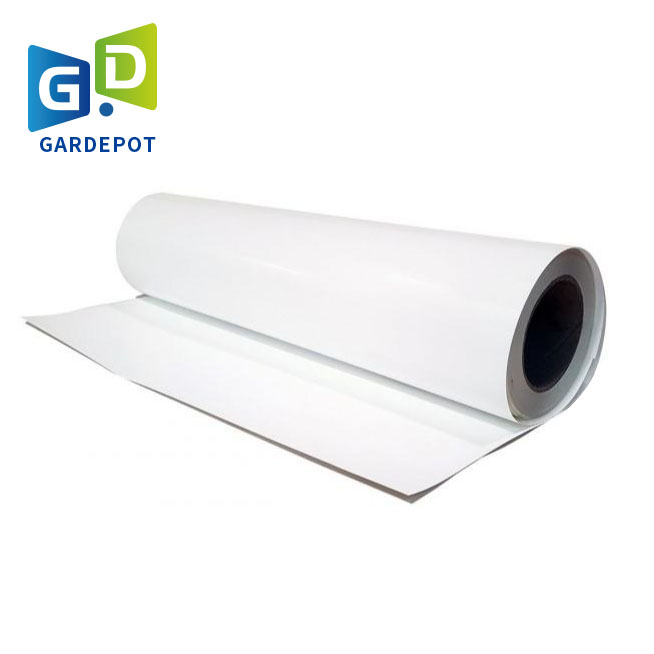
These diverse applications underscore the versatility and reliability of PVC self-adhesive exposed waterproofing membrane, positioning them as a preferred choice for engineers and contractors seeking long-term performance and reduced lifecycle costs.
Key Technical Advantages of PVC Self-Adhesive Membranes
Our PVC self-adhesive exposed waterproofing membrane offers a multitude of technical advantages that translate directly into enhanced project performance and long-term cost savings for B2B clients:
- Superior UV Resistance and Weatherability: Formulated with advanced UV stabilizers, these membranes withstand prolonged exposure to solar radiation, preventing degradation, cracking, and chalking. This ensures color stability and maintained physical properties over decades in exposed conditions.
- High Solar Reflectivity (Energy Efficiency): Light-colored PVC membranes, particularly white, boast a high Solar Reflectance Index (SRI), reflecting a significant portion of solar energy. This drastically reduces heat absorption, lowering interior cooling costs and mitigating the urban heat island effect, aligning with green building initiatives.
- Exceptional Durability and Long Service Life: With a typical service life exceeding 20 years, these membranes offer a low lifecycle cost. Their inherent flexibility accommodates structural movement, while high tear and puncture resistance protect against site damage and environmental stressors.
- Ease and Speed of Installation (Self-Adhesive): The self-adhesive backing simplifies installation, often eliminating the need for hot asphalt, torches, or extensive mechanical fastening. This reduces labor costs, project timelines, and enhances safety by minimizing heat-related risks. The self-adhesive quality makes it an ideal roof self sealing membrane.
- Chemical and Corrosion Resistance: PVC is naturally resistant to a wide range of chemicals, oils, and industrial pollutants, making it an ideal choice for roofs and structures in aggressive industrial environments, such as chemical processing plants or wastewater treatment facilities.
- Flexibility and Adaptability: The material’s inherent flexibility allows it to conform to complex roof geometries and structural irregularities, ensuring continuous waterproofing even around penetrations and parapet walls. This is particularly beneficial for complex water membrane roof designs.
- Fire Retardancy: PVC membranes typically exhibit excellent fire resistance properties, meeting stringent fire safety standards, which is a critical consideration for commercial and industrial buildings.
Vendor Comparison: PVC vs. Other Exposed Membrane Technologies
When selecting an exposed waterproofing membrane, it's essential to compare the technical attributes and long-term value proposition of various material types. While EPDM and TPO membranes are also popular for exposed applications, PVC offers distinct advantages in specific areas. The table below provides a comparative overview.
Comparison of Exposed Waterproofing Membrane Types
| Feature | PVC Self-Adhesive | TPO (Thermoplastic Polyolefin) | EPDM (Ethylene Propylene Diene Monomer) |
|---|---|---|---|
| UV Resistance | Excellent (with stabilizers) | Very Good | Excellent |
| Chemical Resistance | Excellent (oils, acids, bases) | Good (some oils/solvents) | Fair (poor with oils/solvents) |
| Weldability (Seams) | Excellent (hot-air weldable) | Very Good (hot-air weldable) | Poor (adhesive/tape) |
| Puncture Resistance | Good to Excellent (reinforced) | Good | Fair (can be easily punctured) |
| Flexibility (Low Temp) | Very Good (-40°C) | Good (-30°C) | Excellent (-50°C) |
| Solar Reflectivity (White) | High (SRI ≥ 80) | High (SRI ≥ 78) | Low (typically dark) |
| Installation Method | Self-adhered, hot-air weldable seams | Mechanically fastened, adhered, induction welded | Adhered, mechanically fastened |
| Service Life | 20+ years | 15-20 years | 20+ years |
While EPDM excels in flexibility and UV resistance, its poor chemical resistance and reliance on adhesives for seams can be drawbacks in certain industrial settings. TPO offers good overall performance but may not match PVC's long-term chemical resistance and specific flexibility characteristics. PVC self-adhesive membranes strike an optimal balance, particularly with their superior chemical resistance and robust heat-welded seams, offering reliable, long-term performance where other materials might fall short, especially for a demanding water membrane roof.
Customized Solutions and Application Case Studies
Understanding that every project presents unique challenges, we specialize in providing customized solutions for our PVC self-adhesive exposed waterproofing membrane. This includes tailoring membrane thickness, color, and incorporating specific additives to enhance performance in extreme conditions (e.g., enhanced root resistance for green roofs, or extreme temperature stability for desert environments). Our engineering team works closely with clients to develop project-specific designs that optimize material usage and installation efficiency.
Application Case Study 1: Large-Scale Industrial Rooftop Renovation
A major petrochemical complex required the renovation of a 150,000 sq ft industrial roof, demanding a waterproofing solution with exceptional chemical resistance and long-term UV stability. The existing roof suffered from degradation due to chemical runoff and intense solar exposure. Our customized 1.8mm thick PVC self-adhesive membrane, specially formulated with enhanced chemical inhibitors, was chosen. The self-adhesive nature allowed for rapid installation, minimizing disruption to plant operations. Post-installation data showed a 25% reduction in roof surface temperature during peak summer months, leading to noticeable energy savings for the facility's cooling systems. The client praised the expedited project completion and the membrane's robust performance in an aggressive environment.
Application Case Study 2: Municipal Water Reservoir Lining
A municipality faced severe leakage issues in an aged 5-million-gallon potable water reservoir. The requirement was for a safe, non-toxic, and extremely durable water membrane roof solution that could withstand constant water immersion and provide a service life of over 25 years. We supplied a custom 2.0mm PVC membrane, certified for potable water contact (e.g., NSF/ANSI 61 compliant), with specialized flexibility to conform to the reservoir's contours. The self-adhesive system provided a continuous, impermeable barrier, critical for maintaining water quality and preventing future leaks. The project was completed ahead of schedule, ensuring the community's water supply integrity. Feedback emphasized the ease of installation and the membrane's immediate watertight performance.
Authoritativeness and Trustworthiness
Our commitment to quality and customer satisfaction is underpinned by robust certifications, extensive industry experience, and comprehensive support services. We strive to be a trusted partner in all B2B waterproofing endeavors.
Certifications and Standards:
Our PVC self-adhesive exposed waterproofing membrane products are manufactured under strict quality management systems, typically certified to ISO 9001. Products conform to international standards such as ASTM (American Society for Testing and Materials) and EN (European Standards), ensuring consistent performance and compliance with global construction norms. Specific certifications like CE marking and fire ratings (e.g., UL, FM Global) are also available where applicable, providing assurance for project specifications.
Years of Service and Partner Clients:
With over two decades of specialized experience in waterproofing solutions, we have successfully delivered projects for a diverse portfolio of clients, ranging from national infrastructure agencies to multinational industrial corporations. Our long-standing relationships with leading contractors and specifiers attest to our reliability and product quality.
Frequently Asked Questions (FAQ):
- Q: What makes PVC self-adhesive membranes ideal for exposed applications?
- A: Their superior UV resistance, high solar reflectivity, inherent flexibility, and robust chemical resistance make them highly durable and energy-efficient for direct exposure to environmental elements.
- Q: Can these membranes be installed in cold weather?
- A: While the self-adhesive properties are optimized for certain temperature ranges, specific cold-weather formulations are available, and proper substrate preparation is always key. Consult technical data sheets for minimum application temperatures.
- Q: What is the expected service life?
- A: Under normal operating conditions and proper installation, our PVC exposed waterproofing membrane has a service life expectancy of 20 years or more.
- Q: Are your membranes environmentally friendly?
- A: PVC membranes are durable, minimizing replacement cycles, and many formulations are recyclable. Our manufacturing processes adhere to environmental regulations, and white membranes contribute to energy efficiency.
Lead Time & Fulfillment:
Standard lead times for our PVC self-adhesive membranes typically range from 2-4 weeks, depending on order volume and customization requirements. Expedited shipping options are available for urgent projects. Our robust logistics network ensures efficient and reliable delivery to your project site globally.
Warranty Commitments:
We stand behind the quality of our products with comprehensive warranty programs. Our PVC exposed waterproofing membrane products come with material warranties typically ranging from 10 to 20 years, covering manufacturing defects and performance under specified conditions. Extended system warranties, including labor, are available for approved applicators, offering peace of mind for the entire waterproofing system.
Customer Support:
Our dedicated technical support team is available to assist with product selection, specification development, installation guidance, and troubleshooting. We offer on-site project consultation and training for installation crews to ensure optimal application and performance. Our after-sales service is committed to ensuring long-term satisfaction and project success.
Conclusion
The selection of an exposed waterproofing membrane is a critical decision impacting the longevity, efficiency, and structural integrity of B2B projects. Our PVC Self-Adhesive Waterproofing Membranes offer a technically advanced, durable, and sustainable solution, meticulously engineered to meet the rigorous demands of diverse industrial and commercial applications. By combining superior material science with practical advantages like self-adhesion and high solar reflectivity, we provide a product that delivers measurable value, enhanced safety, and long-term performance. Partner with us to leverage cutting-edge waterproofing technology for your next project.
References
- American Society for Testing and Materials (ASTM International). Standard Test Methods for Various Waterproofing Materials.
- International Organization for Standardization (ISO). ISO 9001: Quality management systems.
- National Roofing Contractors Association (NRCA). The NRCA Roofing Manual.
- Cool Roof Rating Council (CRRC). Product Ratings and Technical Bulletins.
- Construction Specifications Institute (CSI). MasterFormat for construction specification development.