Buy Screws: A Practical Guide for Industrial Use
How to Buy Screws That Actually Work for Industrial Projects
Having spent more than a decade knee-deep in industrial equipment maintenance and assembly, I've learned a few things about one of the unsung heroes of the trade: the humble screw. Sure, it’s easy to overlook these small fixers, but if you don’t buy screws with a bit of thought, the whole operation might not hold together quite as well as you'd like.
Oddly enough, deciding on screws is not just about size. You’ve got to consider materials, threading, and the application environment. I remember a time on-site when a batch of stainless steel screws held up perfectly against corrosion, whereas those plain carbon steel ones started showing rust after just a couple of months — in a relatively dry warehouse, no less.
Understanding Screw Specifications: What Matters Most
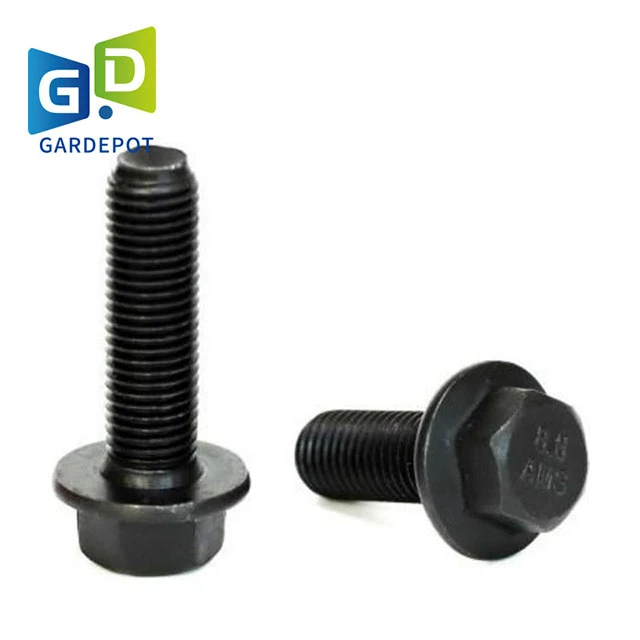
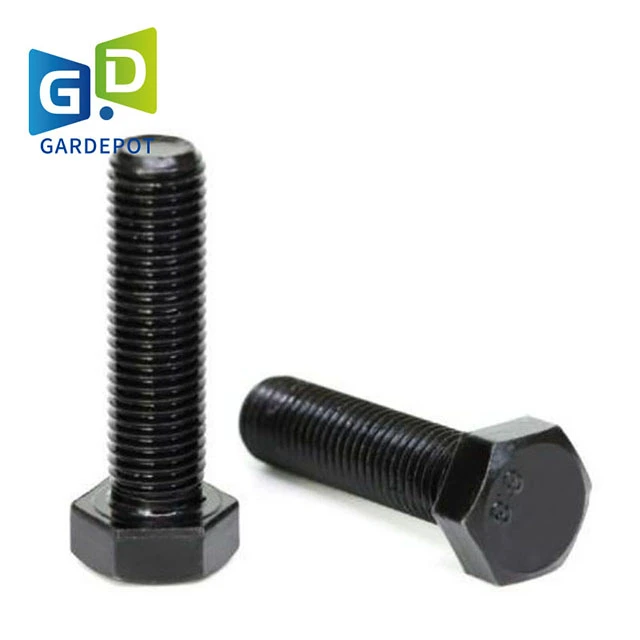
When you browse catalogs or supplier websites, you’ll find specs that can be bewildering: head style, thread type, drive type, tensile strength, and coating options, to name a few. It’s almost like a secret code. For industrial gear, here’s what I always keep an eye on:
- Material: Stainless steel for corrosion resistance, alloy steel for strength, and occasionally brass or nylon for specialty tasks.
- Thread type: Coarse threads generally for wood or plastic, fine threads for metal fastening — which is crucial for vibration resistance.
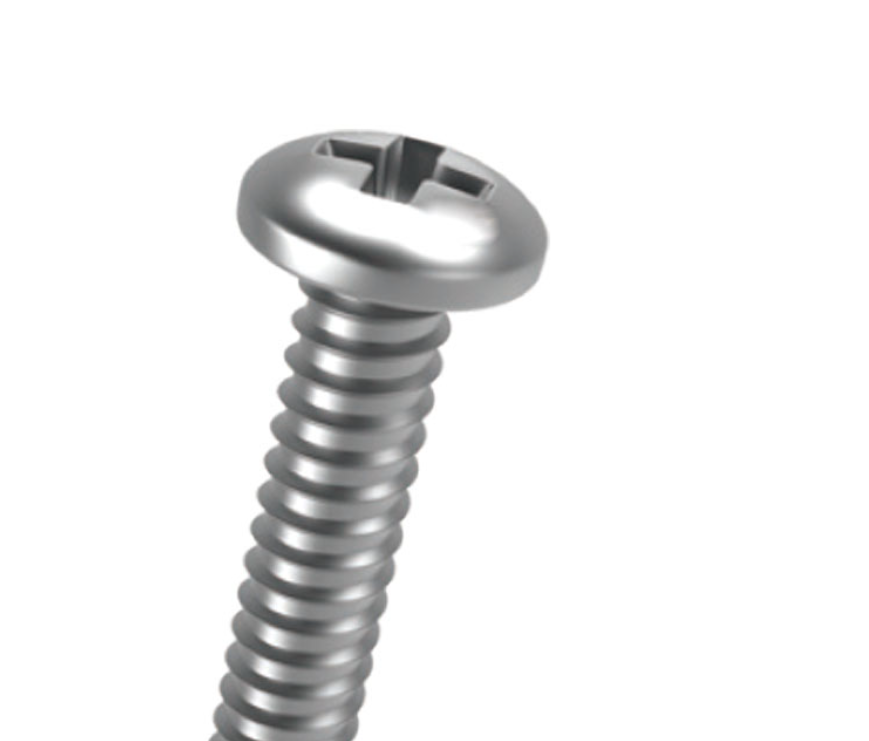
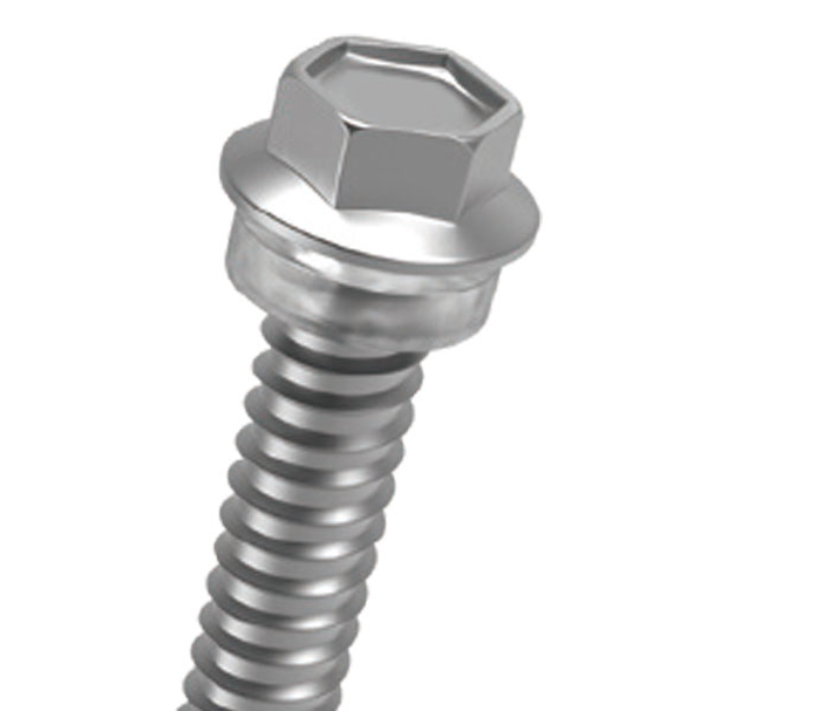
- Head style & drive: Socket heads give you torque control, Phillips is common but can slip under high torque.
- Length and diameter: Always match these to your design tolerances, but round up slightly if unsure. Better safe than stripped threads.
There’s a little trick many engineers swear by: match the screw grade to the load. For heavy machinery, Grade 8 screws are a go-to because of their medium carbon alloy steel and heat treatment.
| Specification | Details |
|---|---|
| Material | 304 Stainless Steel / Alloy Steel |
| Thread Type | Coarse (UNC) or Fine (UNF) |
| Head Style | Hex Socket, Phillips, or Slotted |
| Tensile Strength | 400 - 1500 MPa (depending on grade) |
| Coating | Zinc Plating, Black Oxide, or None |
| Size Range | M2 to M24 diameter, length as required |
Vendor Comparisons: Getting Value Beyond Just Cost
Anyone who's bought parts for industrial assembly knows you don’t just jump on the cheapest quote. I’ve worked with many suppliers over the years and, frankly, the best deals come from vendors who combine quality, consistent delivery times, and good customer service.
| Supplier | Material Range | Custom Sizes | Lead Time | Price Competitiveness | Customer Support |
|---|---|---|---|---|---|
| GardePota | Stainless & Alloy Steel | Yes | 3-5 business days | High | Excellent |
| SteelFix Ltd. | Primarily Carbon Steel | Limited | 5-7 business days | Moderate | Good |
| FastenPro | Wide Material Range | Yes | 7-10 business days | Competitive | Fair |
I recall a recent project upgrading the conveyors at a client’s plant — we needed a batch of corrosion-resistant screws fast. Buying screws from GardePota saved the day. The turnaround was quick and the quality spot-on. Sometimes that reliability costs a touch more, but it pays dividends in peace of mind.
In real terms, you want screws that just do their job. Not the fanciest, but those that won’t give you headaches later. That's why getting familiar with specs and vendors, and even keeping a preferred supplier on speed dial, is essential.
To close, don’t fall into the trap of seeing screws as a simple commodity. In industrial settings, they’re a foundational element — quite literally holding your business together.