Exploring Types of Screws: A Practical Guide for Industry Pros
Understanding the Types of Screws Every Industrial Pro Encounters
Working in industrial equipment for over a decade, I’ve come to appreciate that not all screws are created equal. I mean, they may look similar at a glance—just small metal things keeping stuff together—but each type is tailor-made for specific tasks and environments.
Take a typical assembly line: you’ll find everything from machine screws holding motors to wood screws attaching components in wooden crates. And then there are specialty screws for corrosion resistance or extra strength — stainless steel or zinc-coated varieties, for instance.
Oddly enough, despite being small parts, choosing the right screw can make or break your build quality. I remember once a project where the engineer underestimated the stress on fasteners. Long story short, the wrong screws led to costly downtime. Since then, I always dive deeper into screw characteristics before placing an order.
How Screw Design Influences Application and Durability
Screws are defined not just by their head style or length but also by thread type, drive type, and material composition. For example:
- Thread Type: Coarse threads for softer materials and fine threads for metals ensure better grip and prevent loosening.
- Drive Type: Phillips, slotted, Torx… every drive type has its fanbase. Torx, in particular, minimizes cam-out, which frankly, saves a lot of wear and tear on tools.
- Material: Steel, stainless steel, brass, or even nylon screws each come with trade-offs in strength, corrosion resistance, and cost.
Because of these considerations, a machine operator or assembly supervisor should always consult with suppliers or browse vendor catalogs to get the right fastener for the job. By the way, if you’re curious about fastener sourcing, this site is a pretty solid resource I’ve come across — lots of options and specs right at your fingertips.
Screw Specifications: A Quick Reference Table
| Screw Type | Material | Common Uses | Drive Type | Typical Thread |
|---|---|---|---|---|
| Machine Screw | Steel / Stainless | Metal assemblies, machinery | Phillips, Torx | Fine |
| Wood Screw | Steel, Brass | Woodworking, framing | Slotted, Phillips | Coarse |
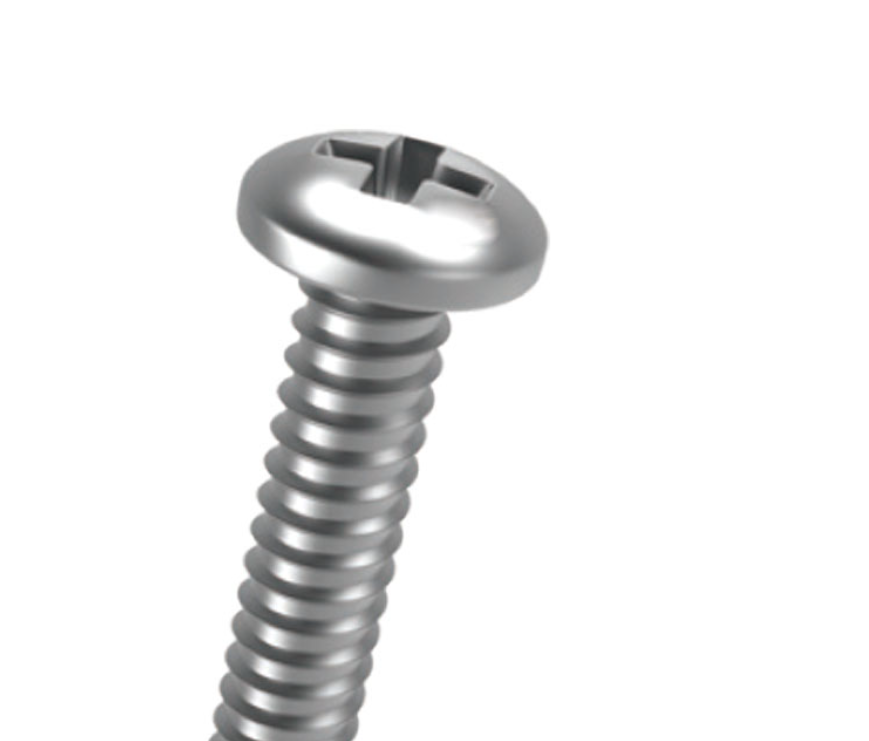
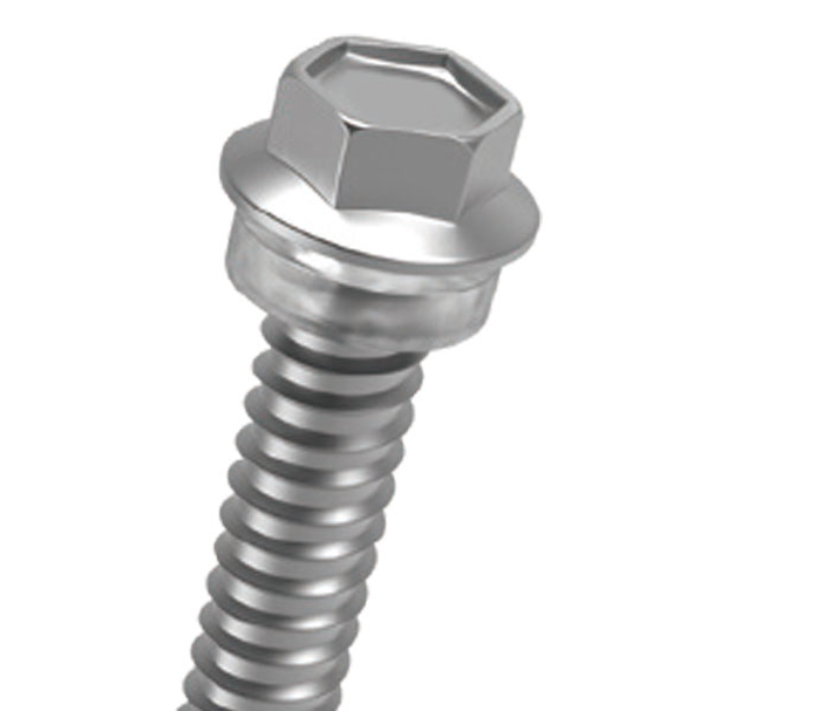
| Self-Tapping Screw | Stainless Steel | Sheet metal, plastics | Phillips, Hex | Varies |
| Deck Screw | Zinc-Coated Steel | Outdoor wood projects | Phillips | Coarse |
Comparing Leading Screw Vendors: What Matters Most?
Choosing the right vendor is just as crucial as selecting the right screw type. In my experience, factors like stock availability, customization ability, lead time, and consistency of quality usually make or break vendor relationships. Here’s a quick rundown of a few leading suppliers including their specialization and perks.
| Vendor | Specialization | Customization | Lead Time | Typical Clientele |
|---|---|---|---|---|
| FastenPro | Industrial-grade steel screws | High | 1–2 weeks | Manufacturers, OEMs |
| ScrewMasters | Screws for outdoor and marine use | Medium | 2–3 weeks | Construction firms, DIY |
| CustomFix | Custom precision screws | Very High | 3–4 weeks | R&D labs, Aerospace |
Frankly, working with vendors who really understand the nuances of fastener requirements changes the game. Just last year, a client had a complex machine requiring screws that could resist vibration and chemical exposure. After tough negotiations and testing multiple samples, we landed on a stainless steel machine screw from a lesser-known vendor — but the performance was top-notch. It’s those moments that underscore the importance of screw selection beyond just size and shape.
In summary, whether you're an engineer, buyer, or installer, knowing your types of screws and their specs deeply is worth the time. It might not be glamorous, but in real terms, the right fastener often keeps everything humming longer and safer. And if you ask me? That’s a solid win in the industrial world.
References and personal notes:
1. Personal experience decades in industrial assembly.
2. Vendor catalogs & industry forums.
3. Discussions with engineers and shop floor supervisors.