Fasteners design is a critical, yet often overlooked, element underpinning modern infrastructure and manufacturing. From the towering skyscrapers that define our cityscapes to the intricate components of everyday electronics, properly designed fasteners ensure structural integrity, safety, and longevity. The field encompasses not just the materials used – steel, aluminum, titanium, polymers, and more – but also the geometry, coatings, and manufacturing processes that determine a fastener's performance characteristics. A nuanced understanding of fasteners design is essential for engineers, architects, and manufacturers striving for innovation and reliability in their products and projects.
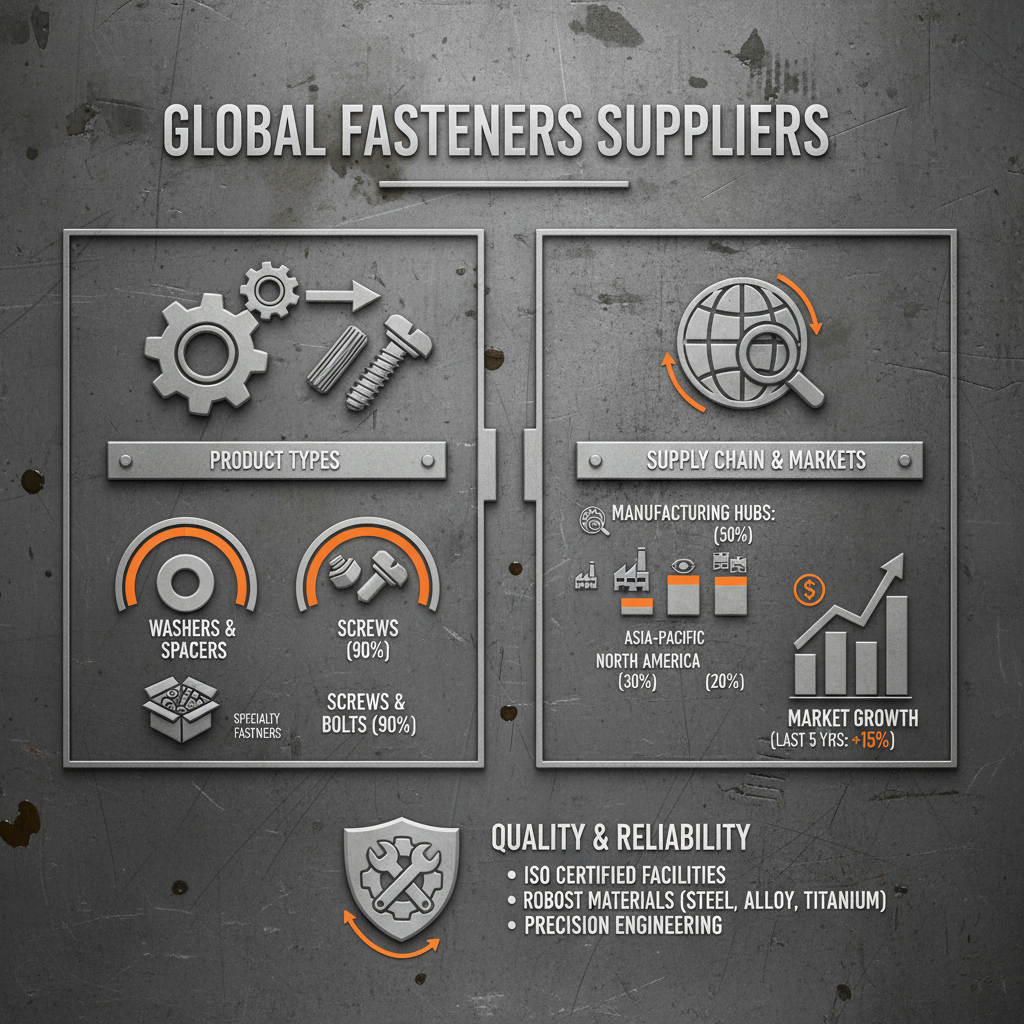
Globally, the fasteners industry is a multi-billion dollar market, intrinsically linked to the health of construction, automotive, aerospace, and countless other sectors. According to recent reports, the global fasteners market is projected to reach \$85.7 billion by 2028, exhibiting a compound annual growth rate (CAGR) of 4.5% from 2021 to 2028 (Source: Verified Market Research). This growth is driven by increasing infrastructure development in emerging economies, rising automotive production, and a growing demand for lightweight materials in aerospace applications. However, challenges remain in achieving sustainable production practices and mitigating the risk of counterfeit or substandard fasteners, which can have catastrophic consequences.
The importance of effective fasteners design extends beyond economic considerations. In humanitarian contexts, reliable and readily deployable fasteners are crucial for constructing emergency shelters, field hospitals, and essential infrastructure following natural disasters. Moreover, the ability to produce cost-effective and durable fasteners plays a vital role in supporting sustainable development initiatives and improving the quality of life in underserved communities.

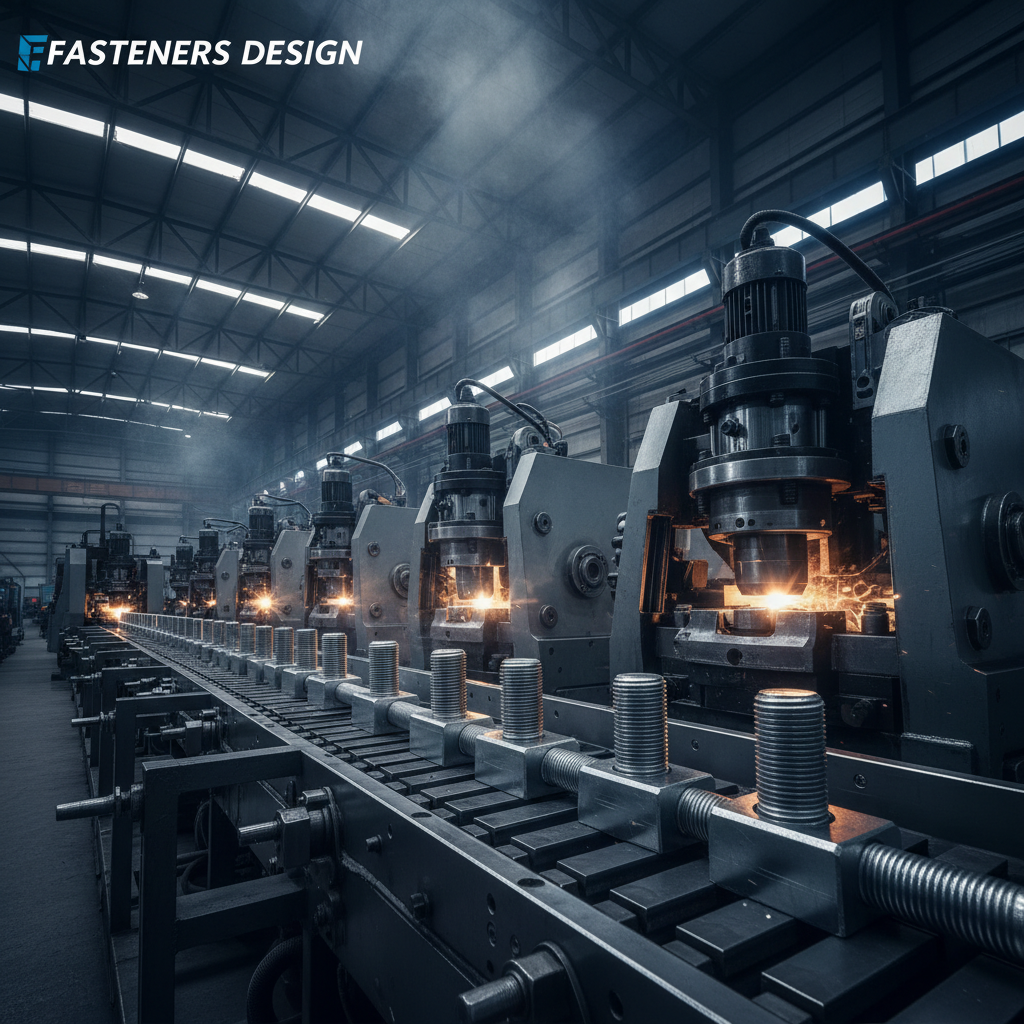
The global reliance on robust and reliable fasteners is pervasive, influencing industries ranging from aerospace and automotive to construction and renewable energy. Understanding the principles of fasteners design is crucial for optimizing performance, ensuring safety, and minimizing the risk of failure in critical applications. Innovations in materials science and manufacturing techniques are continuously pushing the boundaries of what's possible, leading to lighter, stronger, and more durable fasteners.
The ISO (International Organization for Standardization) plays a significant role in setting standards for fastener dimensions, materials, and testing procedures, promoting interoperability and quality control worldwide. Compliance with these standards is essential for ensuring that fasteners meet specified performance requirements and can be safely used in a variety of applications. The economic impact of substandard fasteners can be substantial, leading to costly repairs, downtime, and even catastrophic failures.
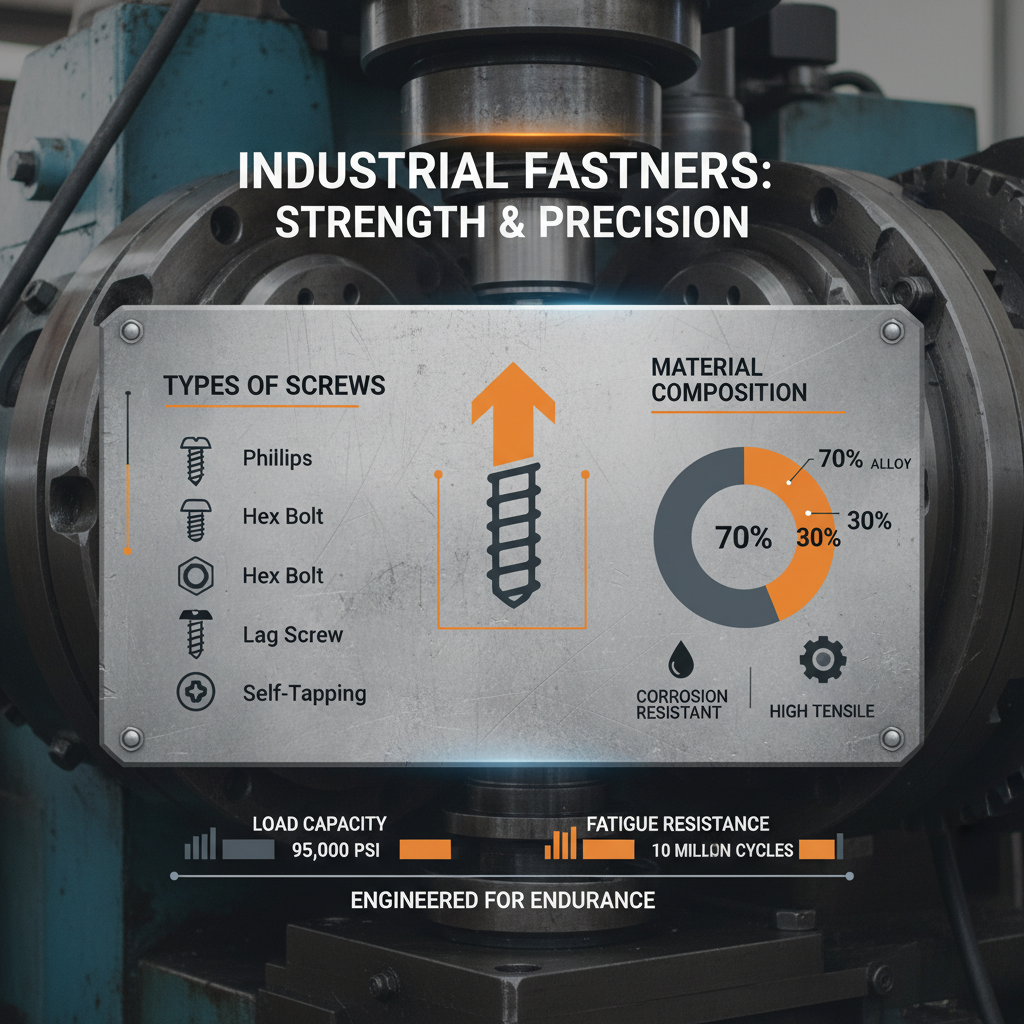
High-strength fasteners commonly utilize materials like alloy steels (e.g., 4140, 8740), stainless steels (e.g., 304, 316), titanium alloys, and nickel alloys. The choice depends on the application’s specific requirements, including strength, corrosion resistance, temperature, and cost. Alloy steels offer excellent strength and are often heat-treated for increased durability. Stainless steels provide exceptional corrosion resistance, making them ideal for outdoor and marine environments. Titanium alloys deliver a high strength-to-weight ratio and are favored in aerospace applications.
Thread form is critical for fastener performance. Common thread forms include Unified National Coarse (UNC), Unified National Fine (UNF), and metric threads. The thread angle, pitch, and depth all influence the fastener’s strength, shear resistance, and stripping resistance. Finer threads generally provide higher tensile strength but are more susceptible to stripping. Proper thread engagement is essential; insufficient engagement can drastically reduce the fastener’s load-carrying capacity. Specialized thread forms, like self-tapping threads, are designed for specific applications and materials.
Choosing the right fastener coating is crucial for protecting against corrosion and wear. Common coatings include zinc plating, galvanizing, black oxide, and specialized polymer coatings. Zinc plating offers a good balance of cost and corrosion resistance. Galvanizing provides superior long-term corrosion protection, especially in outdoor environments. Black oxide improves appearance and offers mild corrosion resistance. Polymer coatings, like Teflon, can reduce friction and prevent galling. The selection depends on the application's environment and the materials being joined.
Temperature significantly impacts fastener strength. Generally, tensile strength decreases with increasing temperature, while yield strength may also be affected. High temperatures can lead to creep, a slow deformation under constant load. Conversely, low temperatures can make fasteners more brittle and susceptible to fracture. Material selection and appropriate fastener grades are critical for applications involving extreme temperatures. Designers must account for thermal expansion and contraction when specifying fasteners in these environments.
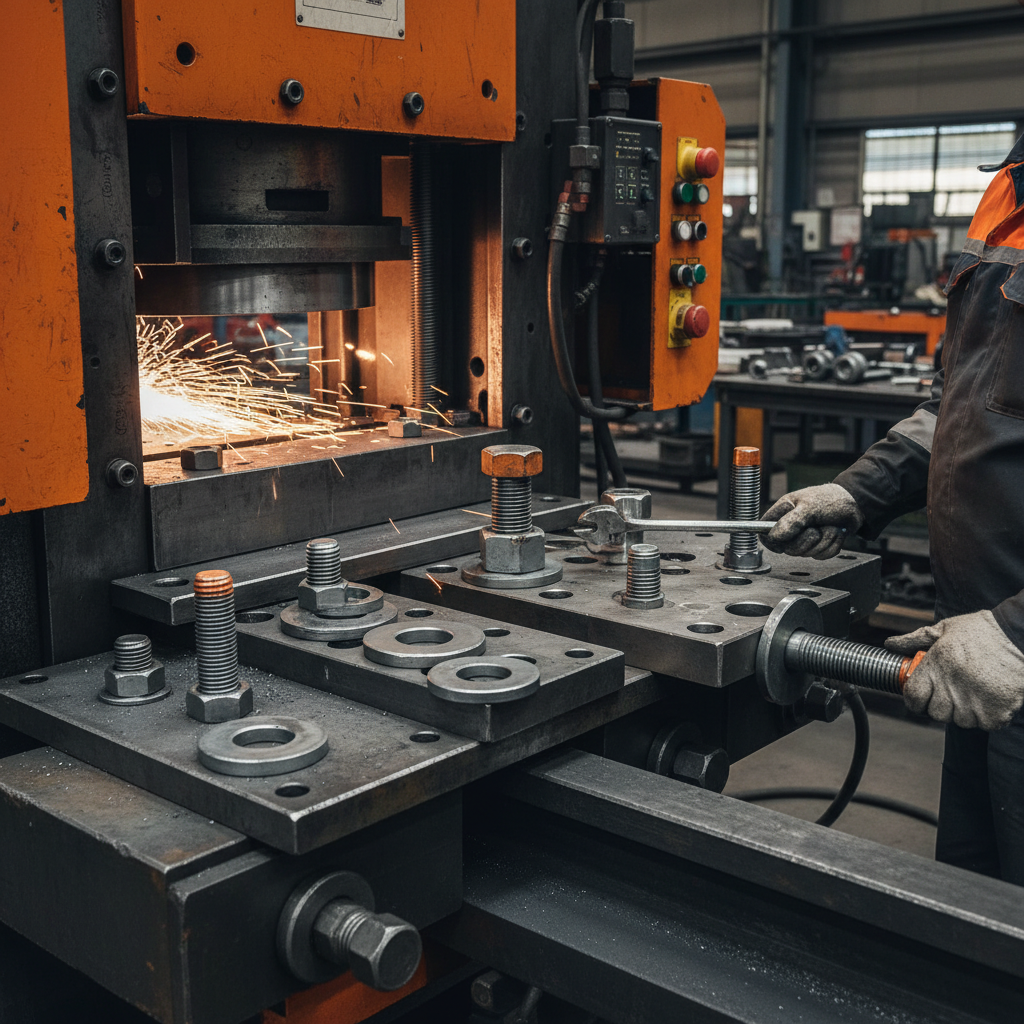
Precise torque control is vital for ensuring proper fastener preload and joint integrity. Under-torqued fasteners can loosen over time, leading to joint failure. Over-torqued fasteners can yield or strip, compromising the fastener’s strength. Using calibrated torque wrenches and following recommended torque specifications are essential. The appropriate torque value depends on the fastener size, material, and the materials being joined. Regularly checking and recalibrating torque tools is crucial for maintaining accuracy.
Fastening composite materials presents unique challenges due to their anisotropic properties and susceptibility to delamination. Advancements include self-piercing rivets, specialized screws with optimized thread forms, and adhesive bonding techniques. Self-piercing rivets create a mechanical interlock without damaging the composite laminate. Specialized screws are designed to distribute loads effectively and prevent fiber pull-out. Adhesive bonding provides a strong and lightweight joint, but requires careful surface preparation and adhesive selection. Hybrid fastening systems, combining mechanical and adhesive bonding, offer enhanced performance.
In conclusion, fasteners design is a deeply intricate field that fundamentally supports countless industries and applications. From ensuring the structural integrity of iconic landmarks to enabling the creation of innovative technologies, the principles of material science, mechanical engineering, and manufacturing converge in the seemingly simple act of joining materials. A meticulous approach to fasteners design, considering factors like load capacity, corrosion resistance, and installation ease, is paramount for creating safe, reliable, and sustainable systems.
Looking ahead, continued innovation in materials, manufacturing processes, and digital design tools will unlock even greater possibilities in fasteners technology. Embracing sustainable practices, fostering collaboration between stakeholders, and prioritizing quality control are essential for addressing the challenges and maximizing the long-term value of this often-underappreciated field. To learn more about tailored fasteners solutions and fasteners design, visit our website today.