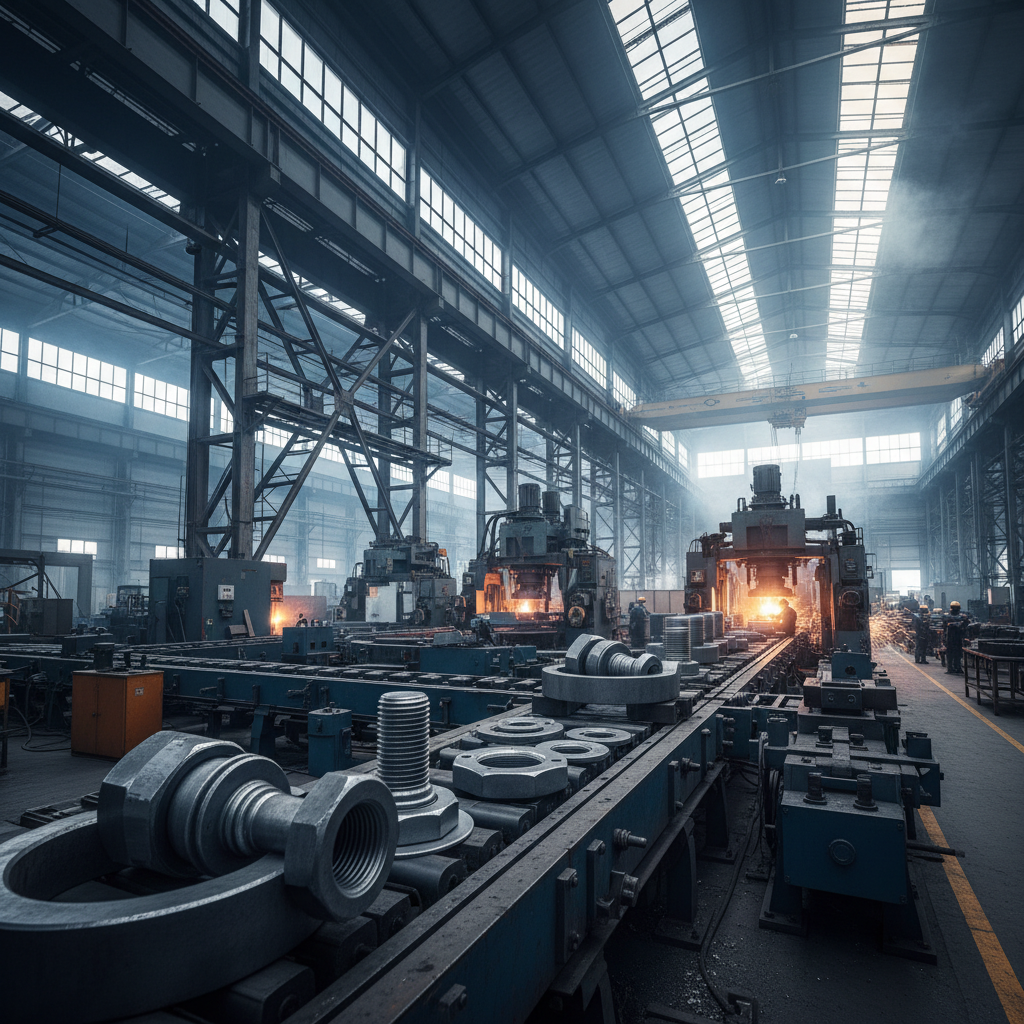
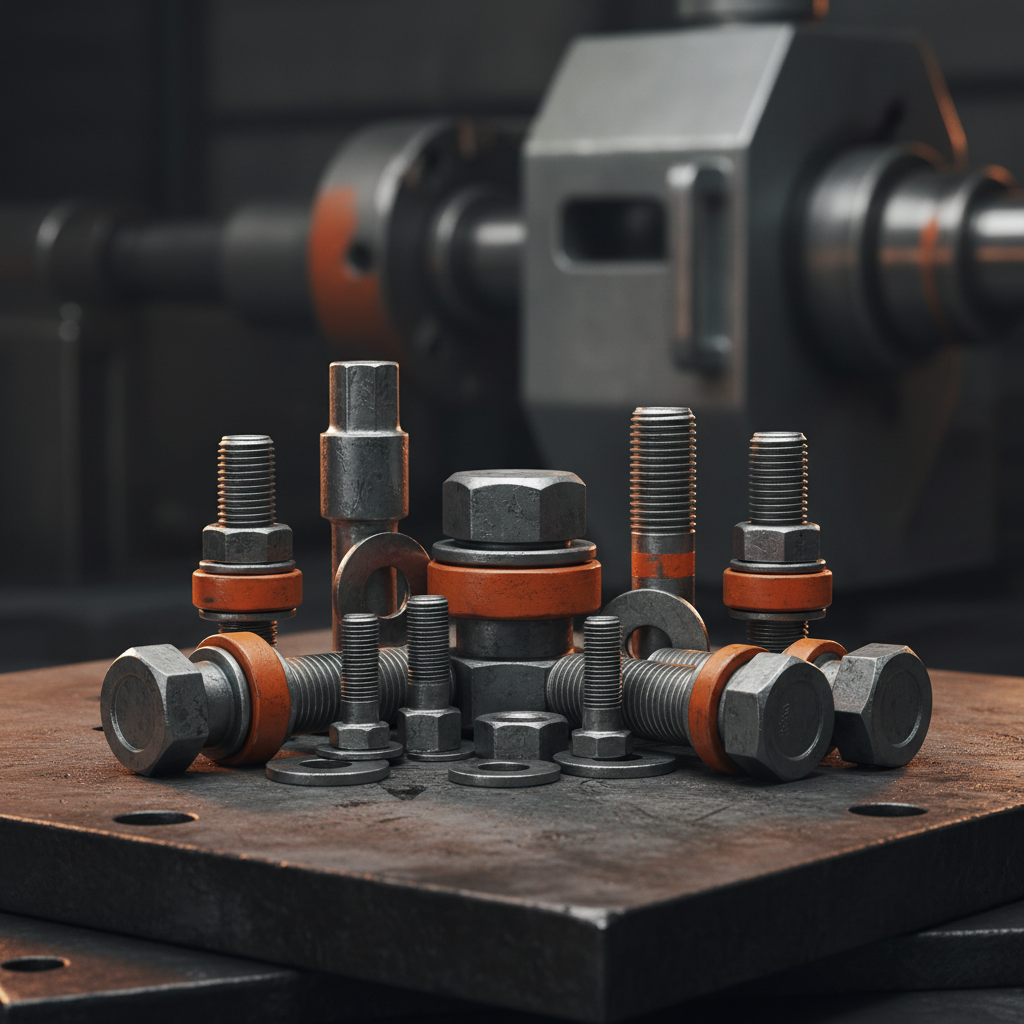
Fasteners use is a cornerstone of modern civilization, quietly enabling structures, machines, and infrastructure around the globe. From the simplest bolt to complex riveting systems, these components are fundamental to joining materials and creating durable, reliable assemblies. Understanding the nuances of fasteners use – materials, standards, applications, and emerging technologies – is critical for engineers, manufacturers, and anyone involved in building and maintaining the world around us. The correct selection and implementation of fasteners directly impacts safety, longevity, and cost-effectiveness.
Globally, the fasteners industry is a multi-billion dollar market, integral to countless sectors including automotive, aerospace, construction, energy, and electronics. Increasing demand for lightweight materials, advanced manufacturing techniques, and sustainable practices are driving innovation in fastener design and production. Challenges exist in ensuring quality control, managing supply chains, and adapting to evolving industry standards, making a thorough grasp of fasteners use essential for competitiveness and progress.
The significance of fasteners extends beyond mere mechanical joining. They play a vital role in maintaining critical infrastructure, enabling the rapid deployment of emergency shelter in disaster zones, and facilitating advancements in cutting-edge technologies. Efficient and reliable fasteners use directly contributes to global economic stability and improved quality of life.
The Importance of Fasteners Use
Fasteners use isn’t merely about holding things together; it’s about ensuring structural integrity, operational safety, and long-term performance. Selecting the appropriate fastener for a given application involves a complex consideration of factors such as load requirements, environmental conditions, material compatibility, and potential for corrosion. Poorly chosen or improperly installed fasteners can lead to catastrophic failures, resulting in significant economic losses and, in some cases, loss of life.
A comprehensive understanding of fasteners use is therefore paramount across numerous industries. Engineers, technicians, and construction professionals all rely on this knowledge to design, build, and maintain reliable systems. Continual advancements in fastener technology and materials demand ongoing education and adaptation to ensure optimal performance and safety.
Defining Fasteners Use
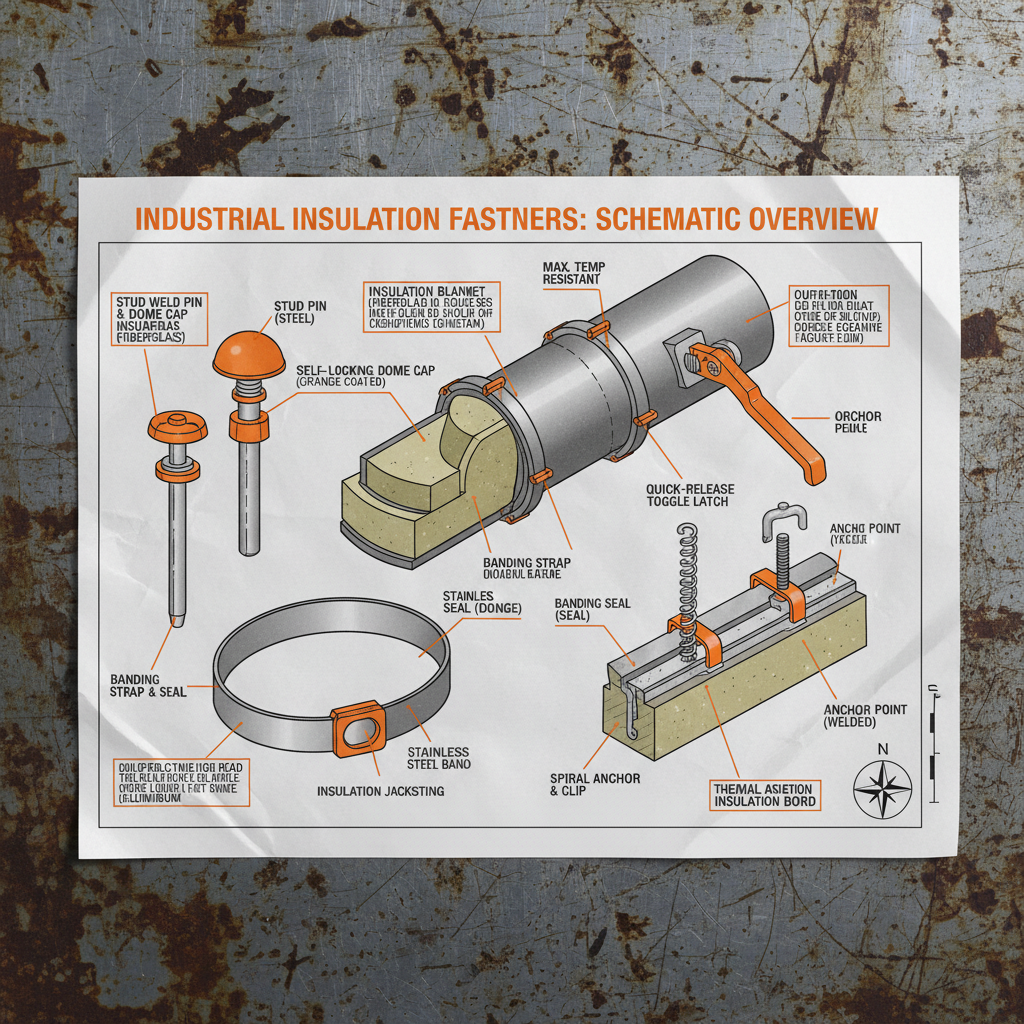
At its core, fasteners use encompasses the selection, application, and maintenance of mechanical devices used to join two or more materials. These devices, broadly categorized as threaded (bolts, screws, studs) and unthreaded (rivets, pins, clips), create a secure connection by applying compressive force. Effective fasteners use goes beyond simply inserting a fastener; it includes proper tightening techniques, surface preparation, and consideration of material interactions.
This discipline connects directly to modern industrial production, enabling the assembly of complex products with speed and precision. From automobiles and aircraft to medical devices and consumer electronics, nearly every manufactured item relies on fasteners. Its relevance extends to humanitarian needs as well, supporting the rapid construction of shelters and essential infrastructure in disaster relief scenarios, utilizing solutions found at fasteners use.
Furthermore, fasteners use is intrinsically linked to maintaining and upgrading existing infrastructure. Bridges, buildings, and transportation networks depend on regular inspections and the replacement of aging or corroded fasteners to ensure continued safety and reliability.
Key Factors in Optimal Fasteners Use
Optimal fasteners use hinges on several key factors. Firstly, material compatibility is crucial. The fastener material must be compatible with the materials being joined to prevent galvanic corrosion and ensure long-term durability. Secondly, load capacity must be carefully calculated to ensure the fastener can withstand the anticipated stresses and forces. Selecting a fastener with insufficient strength can lead to failure.
Thirdly, environmental resistance is vital, especially in harsh conditions. Fasteners exposed to salt water, extreme temperatures, or corrosive chemicals require specialized coatings or materials to prevent degradation. Fourthly, proper installation techniques – including correct torque application and thread engagement – are paramount to achieving the desired clamping force and preventing loosening. Finally, adherence to relevant standards (ISO, ASTM, etc.) ensures consistent quality and reliability.
These factors are interconnected. Ignoring any one of them can compromise the entire fastening system. A thorough understanding of these principles is essential for making informed decisions and ensuring the longevity and safety of any assembly where fasteners use is implemented.
Durability and Reliability in Fasteners Use
Durability and reliability are paramount concerns in fasteners use. The ability of a fastener to maintain its integrity and performance over time, under various stress conditions, directly impacts the safety and lifespan of the assembled structure. This durability is influenced by material selection, coating application, and installation quality. High-strength alloys, corrosion-resistant coatings like zinc plating and stainless steel, and precise tightening methods all contribute to increased durability.
Reliability stems from consistent performance and predictable behavior. Adhering to established industry standards, conducting thorough quality control checks, and employing non-destructive testing methods (e.g., ultrasonic inspection, dye penetrant testing) are vital for ensuring fastener reliability. Proper documentation of fastener specifications, installation procedures, and maintenance schedules also contributes to long-term reliability.
Durability Rating of Different Fasteners Use Methods
Global Applications of Fasteners Use
The applications of fasteners use are remarkably diverse and span across virtually every industry globally. In the automotive sector, fasteners are crucial for assembling vehicle chassis, engines, and body panels. The aerospace industry demands high-precision, high-strength fasteners to ensure the safety and reliability of aircraft. Construction relies heavily on fasteners for building frames, roofing systems, and structural connections.
In post-disaster relief operations, fast-erecting shelters often utilize specialized fasteners for rapid assembly, providing immediate housing for displaced communities. Even in remote industrial zones, where access to specialized equipment is limited, the robust and reliable nature of properly applied fasteners use is critical for maintaining operations. The energy sector utilizes fasteners in wind turbine construction, oil rig assembly, and power plant infrastructure.
Advantages and Long-Term Value of Fasteners Use
The advantages of utilizing optimized fasteners use extend far beyond immediate cost savings. While the initial cost of fasteners may seem minimal compared to the overall project budget, their impact on long-term value is substantial. Reliable fasteners minimize maintenance requirements, reduce downtime, and enhance the overall lifespan of structures and equipment, contributing to significant cost reductions over time.
Beyond the economic benefits, effective fasteners use contributes to enhanced safety, improved product quality, and increased consumer trust. Choosing the right fastener and ensuring proper installation demonstrates a commitment to excellence and reinforces a brand’s reputation for reliability. Sustainable fasteners use, utilizing recycled materials and minimizing waste, aligns with growing environmental concerns and promotes responsible manufacturing practices.
Future Trends in Fasteners Use
The field of fasteners use is undergoing a period of rapid innovation, driven by advancements in materials science, manufacturing technologies, and sustainability initiatives. The development of self-locking fasteners, smart fasteners with embedded sensors for monitoring stress and corrosion, and lightweight composite fasteners are all shaping the future of this industry. Additive manufacturing (3D printing) is also enabling the creation of customized fasteners with complex geometries and tailored properties.
Furthermore, the integration of digital technologies, such as IoT and AI, is revolutionizing fastener management and predictive maintenance. Sensors embedded in fasteners can provide real-time data on stress levels, temperature, and corrosion, allowing for proactive identification of potential issues and preventing catastrophic failures. These advancements support green energy initiatives by enabling the construction of more efficient and durable renewable energy infrastructure.
Challenges and Solutions in Fasteners Use
Despite advancements, several challenges remain in achieving optimal fasteners use. Supply chain disruptions, material price volatility, and the risk of counterfeit fasteners can all impact project costs and quality. Ensuring consistent quality control across global manufacturing facilities is also a significant hurdle.
Addressing these challenges requires a multi-faceted approach. Diversifying supply chains, investing in advanced materials testing and traceability technologies, and strengthening collaboration between manufacturers, engineers, and regulatory bodies are crucial steps. Implementing robust quality management systems and adopting standardized fastening procedures can minimize errors and enhance reliability. fasteners use offers solutions to mitigate these risks.
Summary of Key Challenges and Proposed Solutions
| Challenge |
Impact on Fasteners Use |
Proposed Solution |
Implementation Priority (1-5, 5=Highest) |
| Supply Chain Disruptions |
Material shortages, price increases, project delays |
Diversify suppliers, establish strategic stockpiles |
5 |
| Counterfeit Fasteners |
Compromised structural integrity, safety risks |
Implement rigorous quality control, verify supplier credentials |
5 |
| Material Price Volatility |
Increased project costs, budget overruns |
Long-term contracts, explore alternative materials |
4 |
| Inconsistent Quality Control |
Reduced fastener reliability, increased failure rates |
Standardized testing procedures, independent audits |
4 |
| Lack of Skilled Labor |
Improper installation, reduced fastener performance |
Invest in training programs, certification initiatives |
3 |
| Evolving Industry Standards |
Compliance challenges, potential obsolescence |
Continuous monitoring of standards, proactive adaptation |
3 |
FAQS
When selecting fasteners for corrosive environments, material is paramount. Stainless steel (grades 304, 316, and duplex) offers excellent resistance to many corrosive agents. However, the specific environment dictates the optimal choice. Consider factors like chloride exposure, pH levels, and temperature. Coatings like zinc plating, hot-dip galvanization, and specialized polymers can provide additional protection. Avoid using dissimilar metals that can cause galvanic corrosion, and always ensure proper sealing to prevent moisture ingress.
Torque is a critical factor in the performance of bolted joints. Insufficient torque can lead to loosening due to vibration or dynamic loads, while excessive torque can stretch or strip the threads, compromising the joint’s integrity. Using a calibrated torque wrench is essential to achieve the recommended torque value specified by the fastener manufacturer. The correct torque depends on the fastener size, material, and application. Always follow established tightening procedures and consider using lock washers or thread-locking compounds to enhance joint security.
While often used interchangeably, bolts and screws are distinct. A bolt typically utilizes a nut to create a clamping force, whereas a screw threads directly into the material being fastened. Bolts generally have heavier shanks and are used in applications requiring high strength and clamping force. Screws, on the other hand, are often used for lighter-duty applications. Thread pitch and bolt head style can also differentiate the two, impacting their suitability for specific applications.
Galvanic corrosion occurs when dissimilar metals are in electrical contact in the presence of an electrolyte (like water). To prevent it, use fasteners and joined materials of similar electrochemical potential. If dissimilar metals are unavoidable, isolate them with non-conductive barriers like insulating washers or coatings. Ensure proper drainage to avoid electrolyte accumulation, and consider using sacrificial anodes to protect the more noble metal.
High-strength fasteners offer increased load-carrying capacity, reduced weight, and enhanced durability. They are ideal for critical applications where failure is not an option, such as aerospace, automotive, and structural engineering. Using high-strength fasteners can allow for smaller fastener sizes, reducing material costs and weight, but requires careful consideration of joint design and proper installation techniques to prevent brittle fracture.
Thread engagement – the length of the threaded portion of the bolt in contact with the threads of the tapped hole – is crucial for ensuring the joint’s strength and reliability. Insufficient thread engagement significantly reduces the joint’s load-carrying capacity and increases the risk of stripping the threads. A minimum thread engagement of at least one to two times the diameter of the bolt is generally recommended, and the optimal value depends on the material and application.
Conclusion
Throughout this exploration of fasteners use, we’ve highlighted its fundamental importance across countless industries, emphasizing the critical interplay of material selection, proper installation, and adherence to industry standards. A thorough understanding of these principles is not merely about joining materials – it’s about ensuring safety, reliability, and long-term performance, ultimately contributing to a more durable and sustainable built environment.
Looking forward, the ongoing innovation in fastener technology, driven by advancements in materials science and digital manufacturing, promises even more efficient, reliable, and sustainable fastening solutions. Continuous education, proactive quality control, and a commitment to embracing new technologies will be essential for staying ahead of the curve and maximizing the benefits of effective fasteners use. For expert advice and a comprehensive selection of fastening solutions, visit our website: www.gardepota.com.