Comprehensive Guide to Flange Bolt M6: Specifications, Uses & Comparative Analysis
Understanding the Flange Bolt M6: Essential Fastening in Modern Industry
When it comes to assembling machines, securing infrastructure, or building complex frameworks, the humble flange bolt M6 quietly plays a leading role. Though often overlooked, this specific bolt type is fundamental in industries worldwide, delivering strength, reliability, and ease of maintenance — all critical in a global landscape increasingly dependent on efficiency and sustainability.
So why does the flange bolt M6 matter on a global scale? Well, with international standards like ISO certifying fasteners, and global infrastructure projects relying on standardized parts, understanding this bolt helps engineers, manufacturers, and project managers ensure their designs hold up under pressure. Particularly with the rising demand for modular construction and renewable energy plants, choosing the right fastener can save time, money, and frankly, stress.
Global Context: The Wide Reach of the Flange Bolt M6
According to ISO estimates, millions of bolts are produced globally each year, with M6-sized fasteners among the most common in mechanical assembly. Oddly enough, despite this ubiquity, many industries face challenges like inconsistent quality and supply chain disruptions that complicate sourcing reliable parts.
To put it bluntly: a weak bolt can cause catastrophic system failure. That’s why sectors from automotive manufacturing to aerospace rely on flange bolts M6 for joins that need consistent torque and durability.
What Exactly Is a Flange Bolt M6?
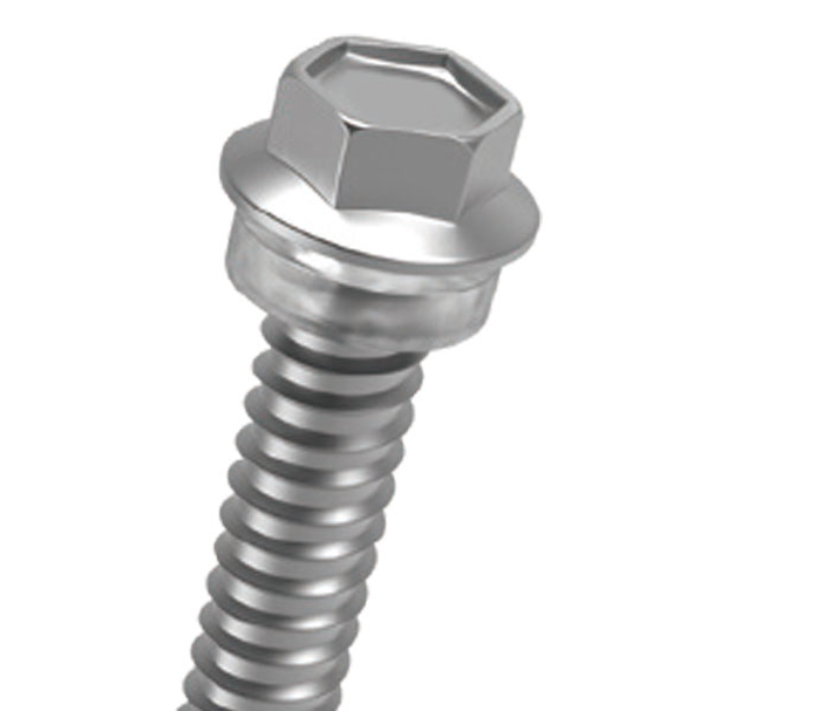
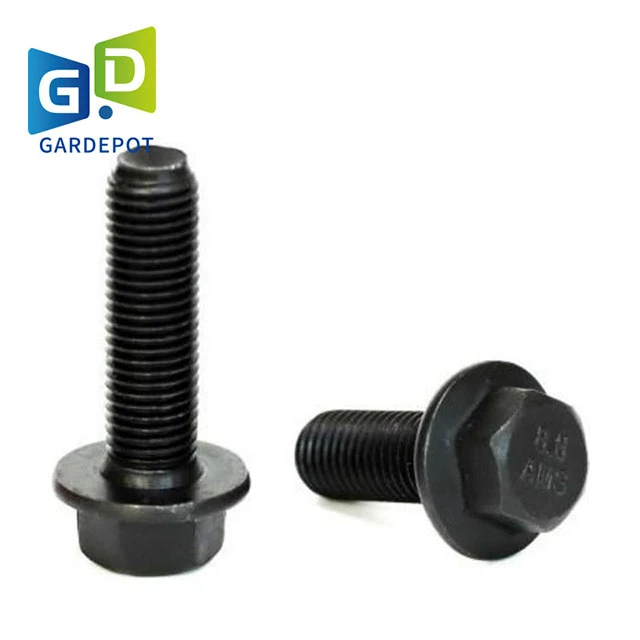
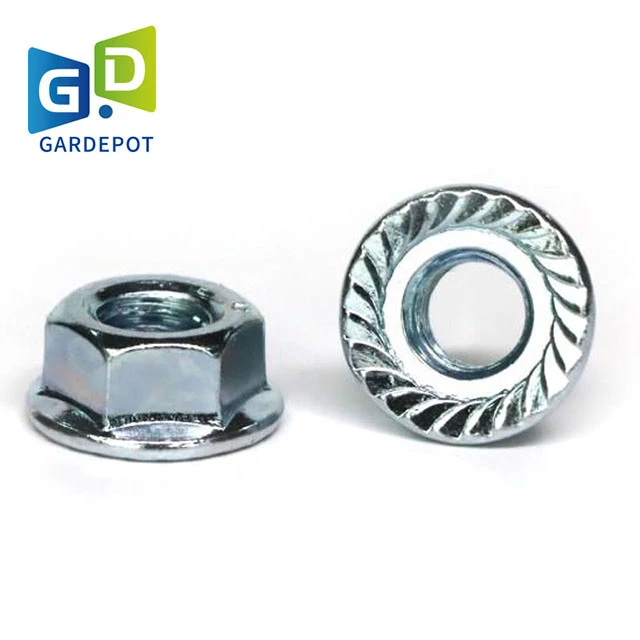
Simply put, a flange bolt M6 is a bolt with a 6-millimeter diameter thread, usually accompanied by a built-in flange below the head — a sort of wide washer integrated into the bolt itself. This flange distributes the load over a greater surface area, which reduces the need for a separate washer and improves the hold in vibration-prone environments.
In modern industry, this means faster assembly times and fewer parts to manage, which can be crucial in humanitarian logistics or complex manufacturing lines.
Key Features of Flange Bolt M6
1. Durability and Strength
The M6 flange bolts are typically made from high-grade steel alloys, often with zinc plating or stainless steel options to resist corrosion. This endurance is vital in sectors like marine engineering, where salt spray can wreck lesser fasteners.
2. Efficient Load Distribution
The integrated flange serves a practical purpose—it's designed to evenly spread the clamping force, which reduces stress concentrations on parts, preventing damage and extending component life.
3. Cost-Effectiveness
By combining bolt and washer in one, flange bolts simplify inventory and reduce assembly times. A subtle saving but one that adds up on large-scale projects.
4. Versatility
These bolts are suitable for a wide range of applications—from automotive chassis assembly to HVAC ductwork—making them a go-to fastener in multiple sectors.
Product Specifications of a Standard Flange Bolt M6
| Specification | Details |
|---|---|
| Diameter | 6 mm |
| Length Range | 10 - 100 mm |
| Material | Carbon Steel / Stainless Steel |
| Finish | Zinc Plated, Black Oxide, Galvanized |
| Thread Pitch | 1.0 mm (standard coarse thread) |
| Head Type | Hex with flange |
Global Applications & Use Cases
Flange bolt M6 is literally everywhere. In automotive manufacturing hubs like Germany and Japan, these bolts hold complex engine assemblies together. In post-disaster relief operations — say, with rapid-deployment shelters — they ensure quick assembly and stable, secure frames, which directly affect people’s safety and dignity.
Mining operations in remote regions of Australia and South America often use flange bolts M6 because of their superior vibration resistance, minimizing equipment downtime.
Vendor Comparison: Leading Flange Bolt M6 Suppliers
| Vendor | Material Quality | Price Range | Certifications | Lead Time |
|---|---|---|---|---|
| BoltMaster Inc. | High-grade stainless steel | $$$ | ISO 9001, RoHS | 2 weeks |
| FastFix Solutions | Carbon steel with zinc plating | $ | ISO 14001 | 1 week |
| GlobalFasteners Ltd. | Stainless steel & specialty alloys | $$ | ISO 9001, ASTM standards | 3 weeks |
Advantages and Long-Term Value of Flange Bolt M6
Choosing flange bolt M6 isn’t just a technical decision; it impacts cost-efficiency, sustainability, and safety. Over time, their durability helps lower maintenance costs and downtime. There’s also an emotional factor at play—like knowing the infrastructure around you is secured by parts tested under stringent quality systems.
Plus, the reduced part count in assemblies thanks to the flange reduces logistical complications, which is frankly a huge boon in global supply chains.
Future Trends & Innovations
Looking forward, innovations in flange bolt M6 include using advanced coatings for better corrosion resistance, and integrating smart materials that can signal stress or fatigue—part of the digital transformation wave sweeping manufacturing.
Additionally, manufacturers are exploring eco-friendlier production methods to reduce environmental impact, supporting global sustainability targets set by organizations like the UN and ISO.
Challenges & Solutions
One common challenge is inconsistency in fastener quality from cheaper sources, risking safety and durability. Quality control and adherence to international standards help minimize this risk.
Another is supply chain disruption causing delays. Many companies mitigate this by diversifying suppliers and maintaining strategic stock levels.
FAQ: Frequently Asked Questions About Flange Bolt M6
Q1: What size options are available for flange bolt M6?
A1: Flange bolts M6 typically come in lengths ranging from 10mm up to 100mm or more, with standard coarse thread pitches of 1.0mm. Custom lengths can also be sourced depending on the supplier.
Q2: Can flange bolt M6 be used outdoors?
A2: Yes, especially when made from stainless steel or with protective coatings like zinc plating, flange bolts M6 offer excellent resistance to corrosion, making them suitable for outdoor and marine applications.
Q3: How does a flange bolt M6 differ from a standard hex bolt?
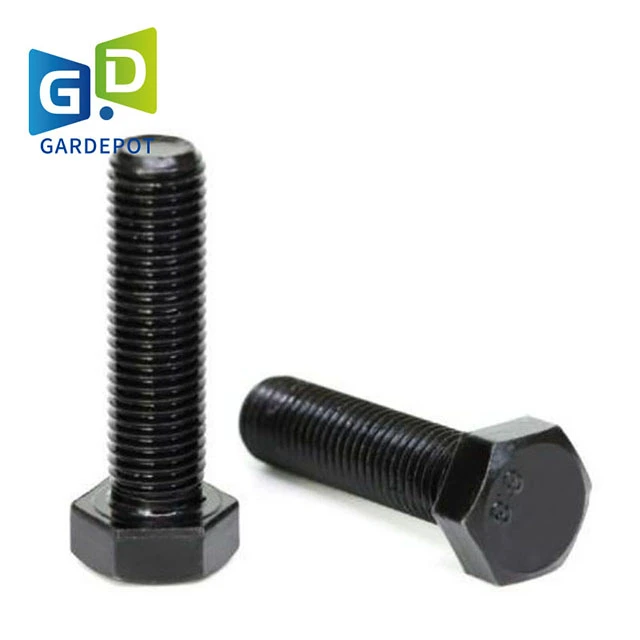
A3: The main difference is the integrated flange beneath the head which acts like a washer — spreading the load and reducing the risk of loosening under vibration, unlike a standard hex bolt which usually requires a separate washer.
Q4: Where can I buy quality flange bolt M6?
A4: Trusted industrial suppliers and specialists like gardePota offer certified flange bolts M6 tailored to various industries’ needs. Always check for standards compliance.
Q5: Are flange bolt M6 fasteners recyclable?
A5: Most flange bolts, especially those made from steel or stainless steel, are recyclable. Recycling supports circular economy efforts widely promoted by organizations such as the UN Environment Programme.
Conclusion
In real terms, flange bolt M6 fasteners might seem like a small detail on a massive production line, but they are foundational to stability, safety, and efficiency across industries worldwide. Their durability, cost-effectiveness, and flexibility make them a smart choice for engineers and project managers looking for reliable fastening solutions.
If you want to explore high-quality flange bolt M6 options and streamline your sourcing, feel free to visit our website: https://www.gardepota.com. Because sometimes, it’s the smallest parts that hold everything together.
Mini takeaway: The flange bolt M6 is a small but mighty component, critical to building strong, lasting connections in a variety of fields — from disaster relief to high-tech manufacturing.