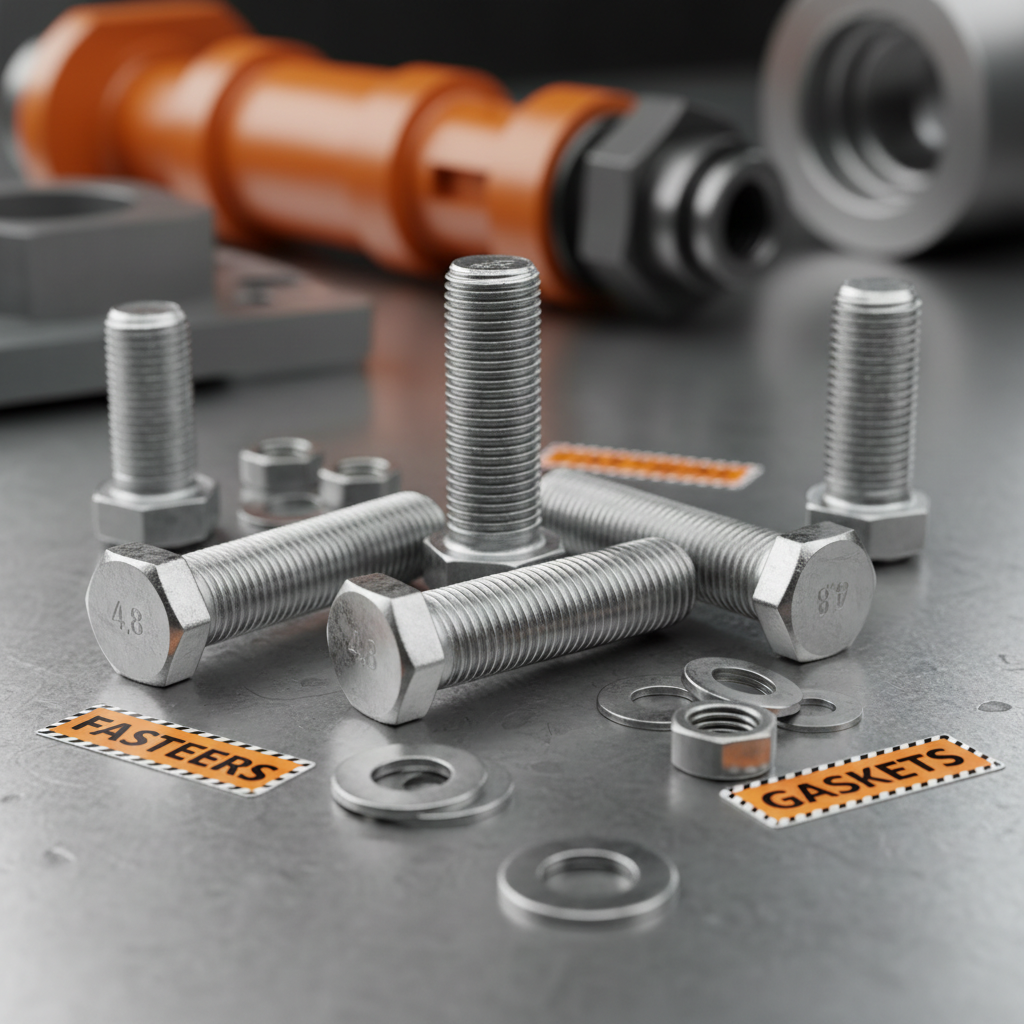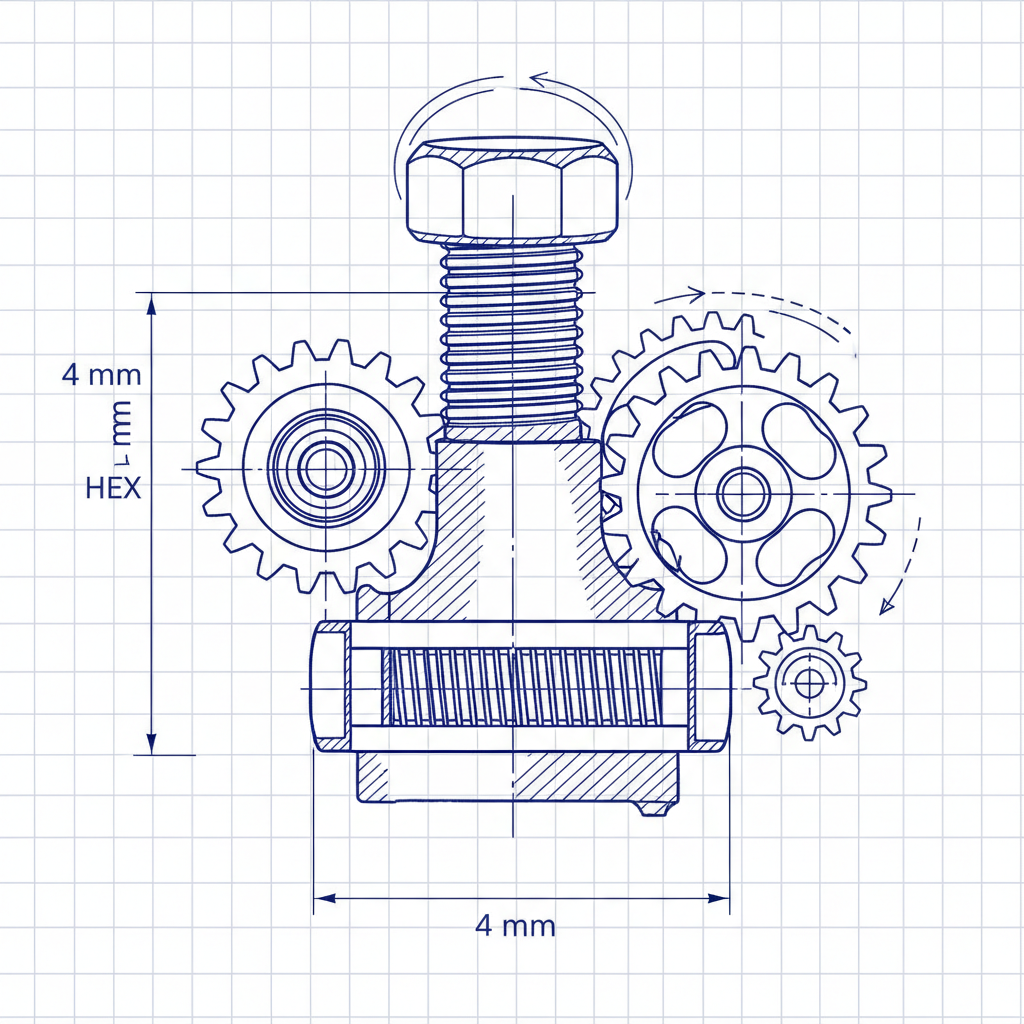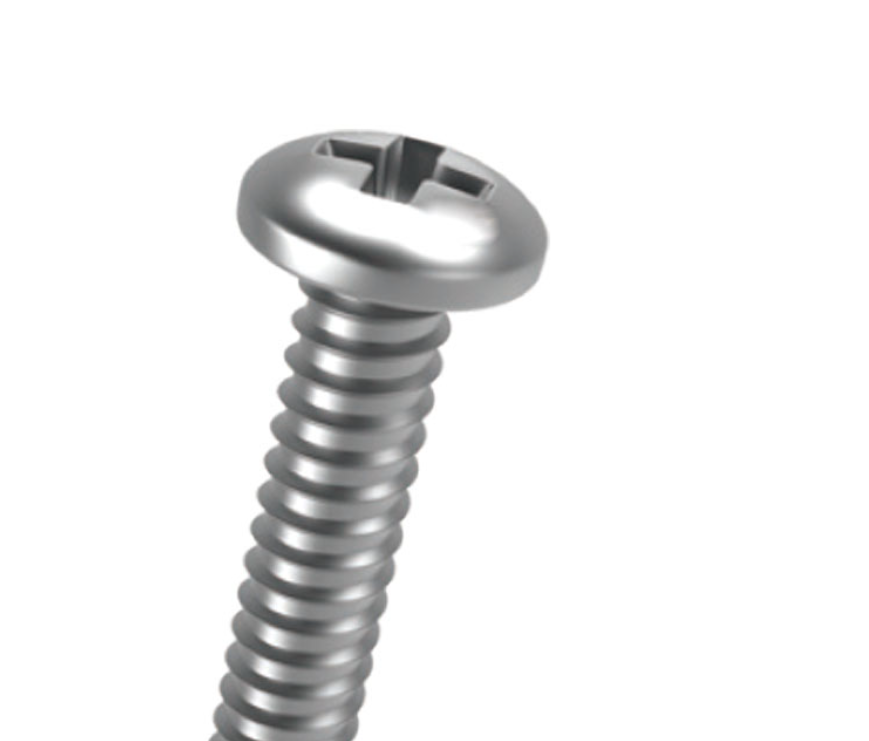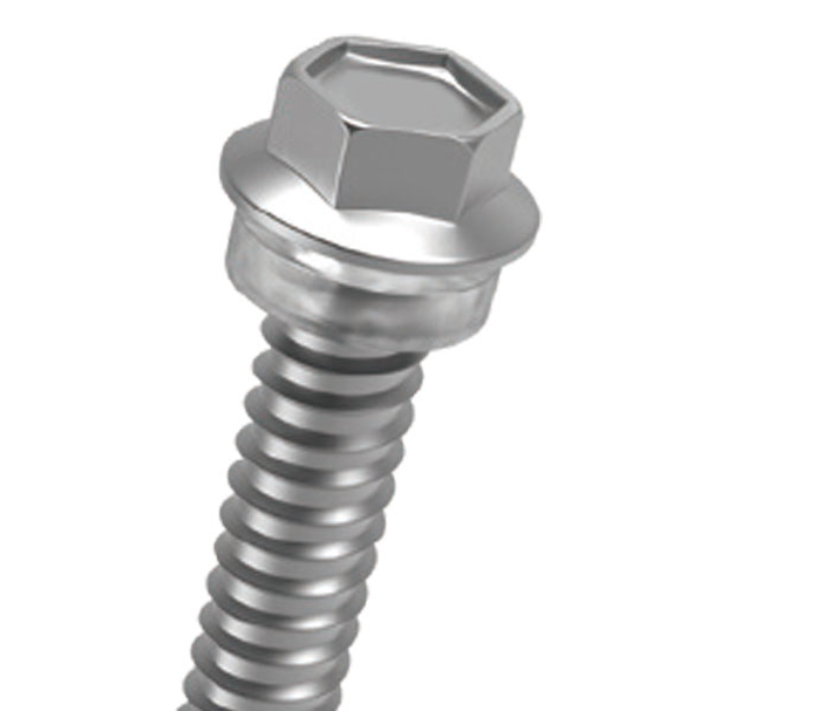
DIN 6921 Flange Bolts: Essential Industrial Fastening Solutions
Understanding DIN 6921 Flange Bolts: The Backbone of Industrial Fastening
Ever paused to consider the humble bolt that holds together vast machines, pipelines, and infrastructure around the world? DIN 6921 flange bolts might sound like technical jargon, but these components play a surprisingly critical role across industries globally. Whether in energy, construction, or manufacturing, knowing what makes these flange bolts special—and how they impact safety and efficiency—can unlock smarter decisions for engineers, procurement managers, and even curious enthusiasts alike.
Global Relevance of DIN 6921 Flange Bolts
Fastening solutions might not grab headlines like robotics or AI, but they underpin nearly every industrial advancement. According to the International Organization for Standardization (ISO), adherence to precise standards like DIN 6921 ensures interchangeability and reliability across borders. Given the global supply chain scale—with the World Bank reporting manufacturing as 16% of global GDP—standardized components like flange bolts help prevent costly failures and bolster safety.
One persistent challenge they address is the need for secure, high-tensile connections in settings exposed to vibration, pressure, or extreme temperatures. Frankly, the wrong bolt can mean downtime or disaster. Which is where DIN 6921 flange bolts come into play.
What Are DIN 6921 Flange Bolts?
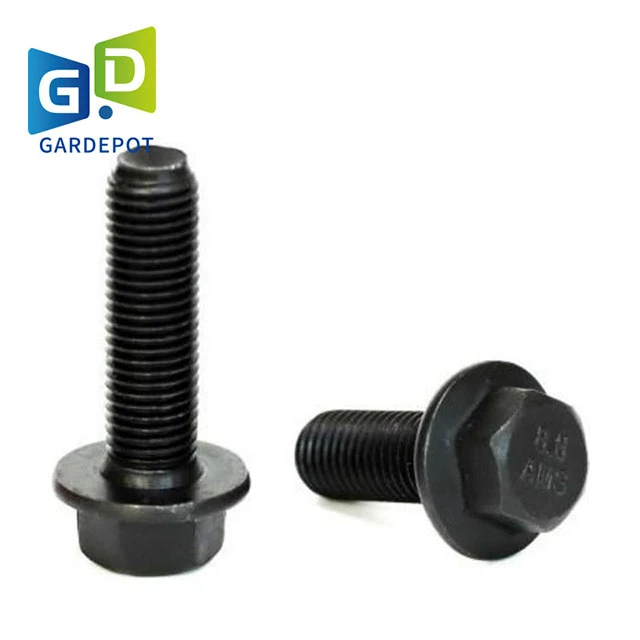
Simply put, DIN 6921 flange bolts are hexagonal bolts featuring a built-in flange beneath the head—kind of like a washer but permanently attached. This flange distributes the clamping load over a larger surface area, reducing the risk of damage or loosening. That makes these bolts particularly well-suited for flange connections in pipes, pressure vessels, and heavy machinery.
Thanks to this design, they're a favorite in industries where reliability equals safety, from oil rigs to food processing plants. Oddly enough, these standards also help humanitarian operations when modular infrastructure, like water treatment units, needs to be deployed in rugged environments.
Key Aspects of DIN 6921 Flange Bolts
1. Durability and Strength
These bolts are usually made from high-tensile steel grades, with heat treatment improving toughness and wear resistance. That durability is vital for applications with constant vibrations or high stress.
2. Corrosion Resistance
Variants come with surface treatments like zinc plating or galvanization, making them suitable for outdoor or marine environments.
3. Ease of Installation
The flange eliminates the need for separate washers, speeding up assembly time and reducing inventory complexity. This is a subtle but practical benefit often overlooked.
4. Standardized Dimensions
Thanks to DIN specification, engineers can be confident in exact sizing and threading, streamlining procurement and maintenance.
5. Cost Efficiency
While slightly more expensive than regular hex bolts, DIN 6921 flange bolts save in labor and reduce risks of rework, making them economical over time.
Mini Takeaway
DIN 6921 flange bolts combine form and function to meet demanding industrial needs through durability, corrosion resistance, and ease of use — all standardized for global compatibility.
Technical Specifications of DIN 6921 Flange Bolts
| Specification | Details |
|---|---|
| Material | High Tensile Steel, Stainless Steel variants |
| Surface Treatment | Zinc Plating, Hot-Dip Galvanizing, Plain |
| Thread Type | Metric Coarse & Fine |
| Sizes | M6 to M30 (Common) |
| Strength Class | 8.8, 10.9, 12.9 |
| Head Type | Hexagonal with integral flange |
Global Applications & Real-World Use Cases
- Energy Sector: Power plants and pipelines rely heavily on dependable flange bolts to maintain pressure seals. For example, Russian oil fields implementing DIN 6921 flange bolts have reported improved maintenance cycles.
- Construction: High-rise buildings and bridge components require secure fastening that also addresses vibration loads.
- Manufacturing: Assembly lines using these bolts report fewer failures, which in turn lessen costly downtime.
- Humanitarian & Disaster Relief: Modular shelters and water treatment units often use DIN 6921 bolts for their robust yet easy-to-assemble qualities, especially in remote or resource-challenged regions.
Mini Takeaway
From Siberian oil rigs to Southeast Asian flood relief projects, DIN 6921 flange bolts are quietly enabling critical infrastructure worldwide.
Advantages & Long-Term Value of DIN 6921 Flange Bolts
Choosing the right bolt isn't just a technical decision—there’s real value layered beneath. Cost-wise, fewer replacements and faster installations save money. Socially, better fastening means safer workplaces and reduced accident risk, which fosters trust and dignity among workers. Environmentally, corrosion-resistant coatings extend lifespan, reducing waste. And innovation-wise, these bolts accommodate advances in modular construction and automated assembly lines smoothly.
Vendor Comparison: DIN 6921 Flange Bolts Providers
| Feature | Vendor A | Vendor B | Vendor C |
|---|---|---|---|
| Material Grades | 8.8, 10.9 | 8.8, 10.9, 12.9 | Stainless Steel & 10.9 |
| Surface Treatment | Zinc Plating | Galvanized & Zinc Plated | Plain & Zinc Plated |
| Price per unit | $0.45 - $1.20 | $0.50 - $1.50 | $0.60 - $1.30 |
| Delivery Time | 7-10 days | 5-8 days | 10-14 days |
| Certifications | ISO 9001 | ISO 9001, ISO 14001 | ISO 9001 |
Future Trends & Innovations
The fastening industry isn’t quite flashy, but it’s evolving. Eco-friendly coatings are replacing toxic zinc options, and advances in automated torque tools ensure more consistent fastening in manufacturing. Industry 4.0 integration means digital tracking and quality control for bolts, reducing failures. Also, composite materials might soon supplement steel in less critical applications, aiming to cut weight and cost.
Challenges & Expert Solutions
Yet, it’s not all smooth sailing. Corrosion in highly aggressive environments still poses problems, sometimes leading to premature failure. Procurement teams also face issues sourcing consistent quality without inflated lead times. Experts suggest — and it’s confirmed by ISO standards — that closer supplier integration, along with on-site testing protocols, can mitigate these issues. Also, educating engineers about specific applications helps avoid over- or under-specifying bolt grades.
FAQ: Common Questions About DIN 6921 Flange Bolts
- What is the main advantage of using DIN 6921 flange bolts over standard hex bolts?
- DIN 6921 bolts feature an integrated flange that distributes the load evenly, reducing the need for separate washers and improving joint integrity, especially under vibration.
- Can DIN 6921 bolts be used in outdoor marine environments?
- Yes, versions with hot-dip galvanizing or stainless steel material grades offer excellent corrosion resistance suitable for marine or coastal applications.
- How do I determine the correct size for my application?
- Size depends on load requirements and flange dimensions. Consulting engineering specifications and DIN standards for fastener torque and dimensions is recommended.
- Are DIN 6921 flange bolts suitable for automated assembly?
- Definitely. The integrated flange and standardized design simplify automated handling and torqueing processes common in Industry 4.0 manufacturing.
Conclusion
So, why care about DIN 6921 flange bolts? Because behind every complex industrial system, there’s a need for trusted, durable, and standardized fastening. Understanding these bolts means making informed choices that boost safety, cut costs, and help build a connected global economy. Interested in sourcing quality din 6921 flange bolts? Check out our website for expert-grade products and personalized service.
Sometimes, the quietest parts truly hold the greatest weight.