Comprehensive Guide to Types of Metal Nuts for Industry and Construction
Understanding the Types of Metal Nuts: Why They Matter in Industry
When you think about the humble nut, it might just seem like a tiny bit of hardware — just something to twist onto a bolt and hold things together. But in reality, the types of nuts metal come in a surprising variety and quality, with critical roles in virtually every industry. From sprawling construction sites to precision electronics, these little circular pieces literally hold the modern world in place. Understanding their types and characteristics isn’t just technical jargon; it means better design choices, cost savings, and safer, more reliable structures.
Globally, the use of metal fasteners drives billions of dollars annually, and the quality standards defined by the ISO ensure safety and interchangeability. Given the recent construction booms in Asia, the tech pushes in Europe, and infrastructure rebuilds in the Americas, knowing these types of nuts helps companies avoid costly failures and improve efficiency. Here’s the dawn of why it really matters.
Global Context: The Unseen Backbone of Manufacturing and Infrastructure
Metal nuts, along with bolts and washers, form a massive segment of the global hardware market—expected to top over $25 billion by 2027 according to various industrial reports. Some facts jump out: approximately 90% of mechanical assemblies rely on threaded fasteners, and the UN’s Sustainable Development Goals indirectly relate because reliable construction supports human safety and development worldwide.
But there’s a pressing problem: choosing the wrong type of metal nut can cause structural fatigue, costly downtime, or worse, accidents. The complexity is often underestimated since different metals and designs react to stress, temperature, corrosion, and even vibration differently. Identifying the right types of nuts metal is like picking the thread needle to sew a masterpiece instead of a quick patch.
What Are Metal Nuts? Simple Definition and Industry Relevance
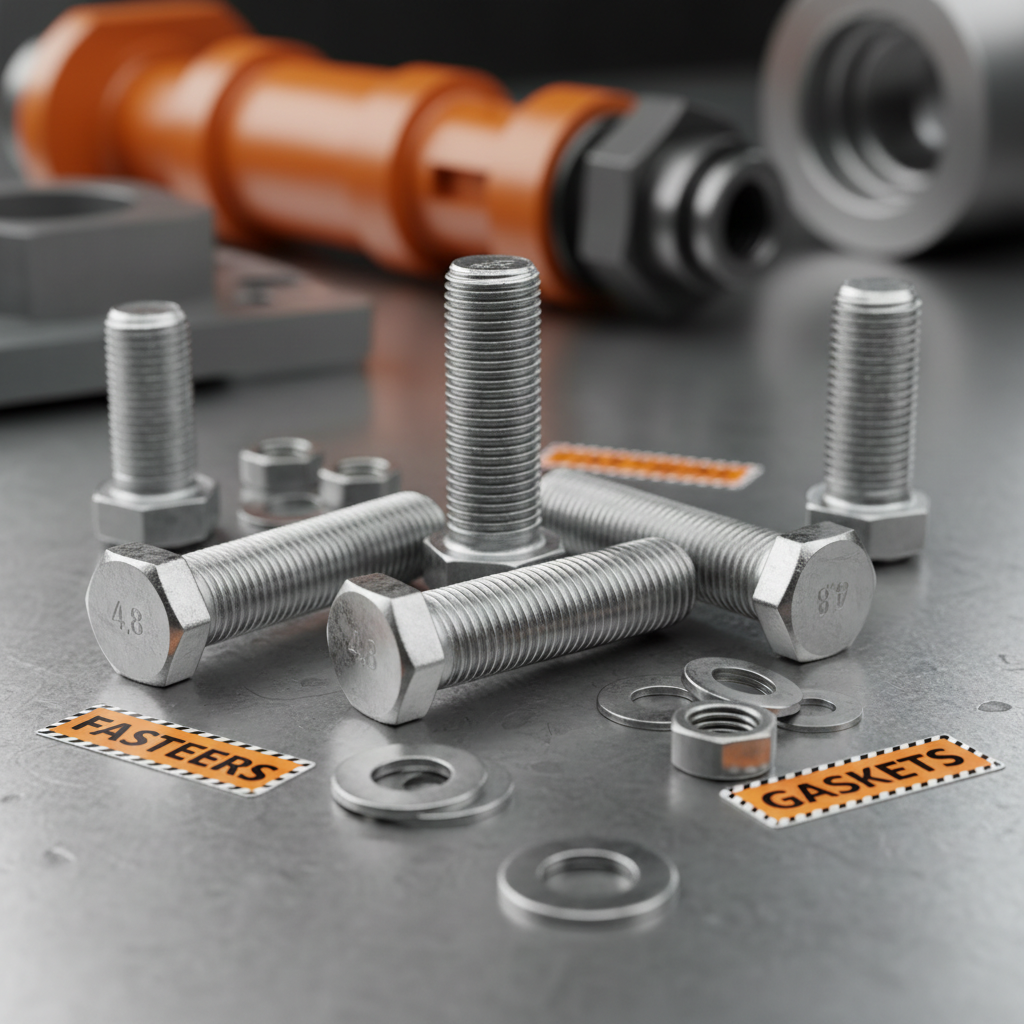
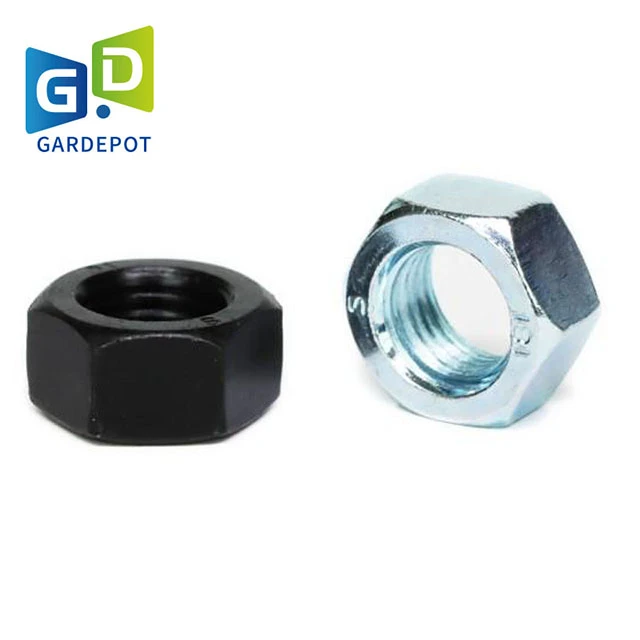
At its core, a metal nut is a small, typically hexagonal block with an internal threaded hole designed to fit a corresponding bolt or screw. Their purpose: join multiple parts securely. What differentiates them is material type, thread design, size, shape, and surface treatment.
Industries ranging from aerospace to shipbuilding depend heavily on these components. For example, in humanitarian engineering, sturdy fasteners mean relief shelters remain intact during harsh weather. In manufacturing, the right nut type ensures machines run smoothly without unexpected breakdowns. So, what you call seemingly “minor” becomes major in practice.
Key Factors That Distinguish Types of Nuts Metal
1. Material Composition
Metal nuts are made from stainless steel, brass, carbon steel, aluminum, and sometimes exotic alloys. Each metal brings unique attributes—stainless steel offers corrosion resistance, carbon steel brings strength, and brass resists rust and is good for electrical components. The choice depends on where and how the nut will be used.
2. Thread Style and Size
Threads come in coarse, fine, and even special forms like nylon-insert threads that resist loosening. Size follows metric or imperial standards. Mismatched threads can sabotage an entire build, so knowing the types avoids wrench frustration.
3. Shape and Design
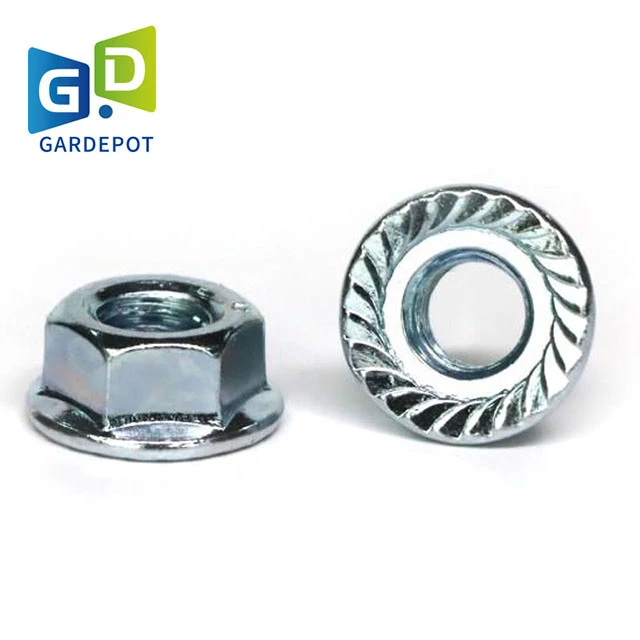
From the classic hex nut to cap nuts, wing nuts, and flange nuts, shape defines utility. Wing nuts allow quick hand tightening; flange nuts spread pressure over a wider area. Oddly enough, the design isn’t just aesthetics — it’s how the nut meets specific engineering demands.
4. Surface Treatment
Plating with zinc, black oxide, or galvanization helps resist corrosion. In marine or chemical plants, this is a lifesaver. Without proper coating, metal nuts can degrade quickly, risking structural failure.
5. Load & Strength Ratings
Defined by standards such as ASTM or DIN, each nut has a tensile strength rating. For heavy machinery or bridges, only high-grade nuts suffice. The industry generally avoids “one size fits all” because failures here can be catastrophic.
Mini Takeaway:
Understanding these core components clears up confusion when selecting metal nuts – it’s a mix of metal science, geometry, and practical design that builds everything durable and trustworthy.
Real-World Applications of the Different Types of Metal Nuts
The deployment of metal nuts spans across sectors and geographies:
- Construction: Hex and flange nuts are used in frameworks, bridges, and buildings worldwide.
- Automotive: Fine thread nuts ensure vibration resistance in engines and chassis. Companies in Germany and Japan excel here.
- Electronics: Small brass nuts clasp tiny circuit boards in place without interfering with current.
- Humanitarian Efforts: Wing nuts provide quick assembly in disaster relief shelters—seen in earthquake zones where speed is essential.
- Marine and Aerospace: Here corrosion-resistant alloys reign supreme, dealing with extreme environments.
For example, after the 2020 floods in South Asia, NGOs used zinc-plated hex nuts to rebuild resilient homes rapidly. In oil rigs off Norway, A4 stainless steel nuts secure critical safety equipment amidst salty spray. These are far from trivial decisions.
Mini Takeaway:
The best nut type fits its environment, balancing strength, ease of use, and corrosion tolerance—a perfect example of engineering meeting reality.
Specification Table: Popular Types of Metal Nuts
| Type | Material | Common Use | Key Advantage |
|---|---|---|---|
| Hex Nut | Carbon Steel, Stainless Steel | Structural Bolts | High Strength, Widely Available |
| Wing Nut | Aluminum, Brass | Quick Assembly, Tool-Free | Fast Hand Tightening |
| Flange Nut | Stainless Steel | Automotive & Machinery | Pressure Distribution |
| Cap Nut | Brass, Stainless Steel | Protection & Aesthetics | Thread Protection, Clean Look |
Comparing Top Vendors: A Quick Look
| Vendor | Material Range | Price Range | Specialty | Global Reach |
|---|---|---|---|---|
| FastenRight Co. | Steel, Brass, Alloy | $$ - $$$ | Custom Thread Designs | North America, Europe |
| GlobalNut Supplies | Stainless Steel, Aluminum | $ - $$ | Eco-Friendly Coatings | Asia, Africa |
| TitanFix Tech | Titanium, Stainless Steel | $$$ | High-Strength Aerospace Nuts | Global |
Advantages and Long-Term Value of Choosing the Right Metal Nut
Choosing the correct type of metal nut isn’t merely about fitting two parts together; it’s about ensuring safety, longevity, and trust in the entire assembly. Engineers often stress how a simple choice can extend machine life or stave off rust damage. Cost efficiency is obvious but often overlooked — high-grade nuts mean fewer replacements and less downtime.
There’s also an emotional layer: knowing the structure won’t fail under your feet or that critical infrastructure won’t buckle reassures workers and communities alike. Innovations in materials now also focus on sustainability, reducing metal waste and carbon footprint, which ties into larger environmental goals.
Emerging Trends & Innovations in Metal Nuts
The future of metal nuts is surprisingly dynamic. Researchers are experimenting with self-lubricating coatings to reduce friction and wear, and new alloys geared toward extreme environments are under constant development. With industry 4.0 leaps, digital tracking of nut torque specifications and automated thermal treatments streamline quality control.
Green certifications for fasteners, especially for types of nuts metal used in eco-projects, are gaining importance. Automation means nuts can now be designed and produced faster with customized threads suited to specific stresses. Oddly enough, these plain parts are becoming part of smart manufacturing much like their bigger machine counterparts.
Challenges in Selecting and Using Metal Nuts—and How to Overcome Them
One major issue is mismatching nuts and bolts, leading to stripped threads or failure under load. Limited awareness about different material grades also causes premature corrosion or mechanical fatigue. Another challenge is procurement — some regions have restricted access to specialty fasteners.
Solutions include better industry training, clearer labeling, and utilizing digital catalogs (like on gardepota.com). Proper testing and certifications help assure quality. Plus, advances in modular fastener systems allow on-site adjustments—no more hard-to-replace one-trick nuts.
FAQ: Common Questions on Types of Metal Nuts
- Q: What are the most corrosion-resistant types of metal nuts?
- A: Stainless steel nuts, especially grades 316 and A4, provide excellent corrosion resistance, ideal for marine or chemical environments.
- Q: Can I use wing nuts in heavy load applications?
- Wing nuts are great for quick, tool-free fastening but aren’t recommended for high load or vibration environments because they don’t tighten as securely as hex nuts.
- Q: How do I choose between coarse and fine thread nuts?
- Coarse threads are better for general-purpose and dirty environments, while fine threads offer better load performance and vibration resistance—common in precision machinery.
- Q: Are there eco-friendly coatings for metal nuts?
- Yes, some suppliers use zinc-nickel or trivalent chromium coatings that reduce environmental impact without compromising durability.
- Q: Where can I find detailed specifications for standard nuts and bolts?
- Standards bodies like ISO (ISO) or ASTM publish comprehensive guides on thread dimensions, materials, and testing.
Conclusion: Why Knowing the Types of Metal Nuts Pays Off
At a glance, types of nuts metal might seem mundane, but the reality is they’re essential cogs in the machinery of modern life. Getting it right leads to safer constructions, longer-lasting machines, and more sustainable operations. If your projects depend on fastening, investing a little time to understand these types translates to big gains down the line.
For detailed product guides and expert advice, visit our website. It feels good to source your hardware knowledge and suppliers in one trusted place.