Comprehensive Guide to Types of Metal Nuts | Industrial Fastening Solutions
Understanding Types of Metal Nuts: The Small Heroes of Industry
It might sound odd at first — metal nuts? Why care? But these simple, unassuming components are everywhere. From skyscrapers in booming cities to the relief shelters after a cyclone, types of metal nuts play a crucial role in holding our modern world together. Globally, understanding these fasteners isn’t just about nuts and bolts. It’s about safety, efficiency, and innovation in manufacturing and construction across industries.
Why does it matter? UN data estimates that the global construction sector constitutes over 13% of the world's GDP. And practically every building, machine, or vehicle you see relies on fasteners like metal nuts — serving as the nuts and bolts anchoring complex systems. Wasting time, money, or resources on the wrong type can lead not just to broken equipment but also delays and catastrophic failures.
Global Relevance: Why Metal Nuts Are More Than Just Hardware
Worldwide manufacturing statistics from the International Organization for Standardization (ISO) emphasize that the standardization of components like nuts is essential for global supply chains. In practice, this means every factory in Tokyo, every equipment yard in Kenya, and every power plant in Germany shares a common language when it comes to these fasteners.
But here's the twist: different environments and industries demand different types of metal nuts. In extreme climates — think the freezing Arctic or humid tropics — the right nut choice can make or break durability. The challenge is balancing strength, corrosion resistance, cost, and even how quickly a nut can be installed.
Mini takeaway: The global economy literally spins on countless metal nuts, each tailored to specific tasks, climates, and safety standards.
Definition & Meaning: What Exactly Are Types of Metal Nuts?
At their simplest, metal nuts are fastening components threaded internally, designed to mate with bolts or threaded rods, securing objects together. But in reality, there's a vast kingdom behind that basic definition:
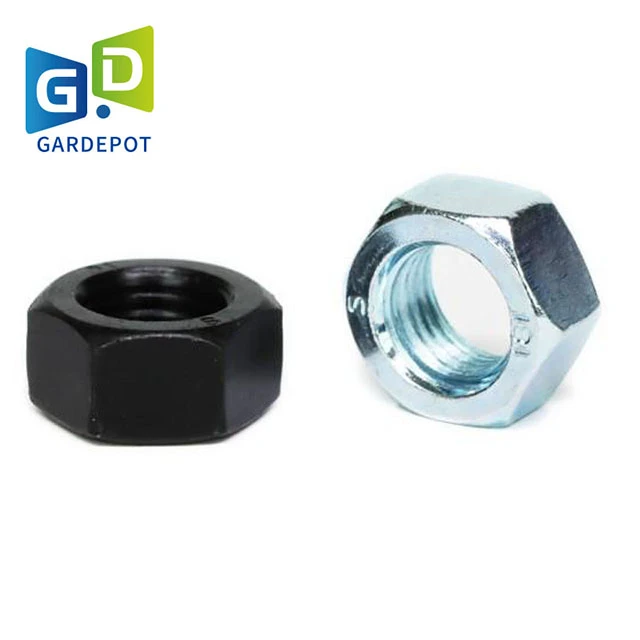
- Hex Nuts: The classic six-sided nut, versatile and common.
- Lock Nuts: Designed to resist loosening from vibration or torque.
- Wing Nuts: Easily adjust by hand without tools.
- Cap Nuts: Protect bolt threads and improve aesthetics.
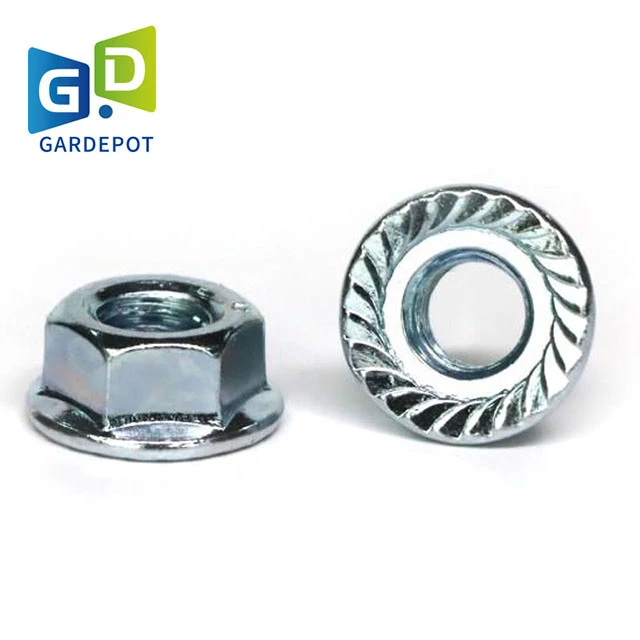
- Flange Nuts: Have a built-in washer to distribute load.
Modern industries—think aerospace, automotive, infrastructure, and humanitarian engineering—demand specific metal nuts tailored to each task, with ultra-high strength, rust resistance, or quick assembly features.
Mini takeaway: While tiny, metal nuts come in diverse forms, each adapted for specialized roles from heavy machinery to emergency shelters.
Core Components to Consider When Selecting Metal Nuts
1. Durability and Material Composition
Steel, stainless steel, brass, and even titanium are frequent choices — depending on where the nuts will be used. For corrosive environments like offshore oil rigs, stainless steel or galvanized coating is a must.
2. Thread Type and Fit
Metric, UNC/UNF (Unified Coarse/Fine), or custom threading affect compatibility and strength. The nut’s fit to the bolt impacts load distribution and longevity.
3. Locking Mechanism
There are nylon inserts (nyloc nuts), deformed threads, or mechanical locking designs. Many engineers emphasize choosing locking nuts on vibrating machinery to avoid safety hazards.
4. Shape and Functionality
From the extensively used hex nut to specialized shapes like the wing or flange nut — the design dictates how quickly you can install or remove them, impacting operational efficiency.
5. Cost vs. Performance
Not every project can afford titanium nuts. So, stakeholders often balance budget constraints with desired performance, leading to pragmatic choices.
Mini takeaway: Picking the right nut is a nuanced decision involving material science, mechanical engineering, and economics.
Global Applications & Real-World Use Cases
Look at Nigeria’s burgeoning infrastructure developments. Metro rail systems and highways depend on tons of metal fasteners. Likewise, in post-disaster relief zones like after the 2010 Haiti earthquake, quickly deployable shelters equipped with durable nuts ensured structural stability under urgent conditions.
In Europe, advanced automotive manufacturers rely on precision-machined nuts to meet high safety standards. Meanwhile, remote industrial sites in Canada and Siberia demand corrosion-resistant nuts to survive bitter winters and maintain machinery uptime.
Mini takeaway: From emergency setups to high-performance manufacturing, types of metal nuts find critical applications everywhere.
Advantages and Long-Term Value of Choosing the Right Metal Nut
- Cost Efficiency: Durable nuts reduce maintenance and replacement frequency.
- Safety and Reliability: Correct locking nuts keep machines and structures secure.
- Sustainability: Reusable and recyclable materials support eco-friendly engineering.
- Innovation: New alloys and coatings extend lifespan and reduce failures.
- Emotional Assurance: Workers and clients trust hardware that performs without fail.
Mini takeaway: Proper choice of metal nuts is an investment that pays off in safety, cost, and trustworthiness.
Future Trends & Innovations in Metal Nuts
Looking ahead, there’s a wave of smart nuts embedded with sensors to monitor tension or loosening—ideal for critical infrastructure like bridges or aircraft. Additive manufacturing (3D metal printing) is enabling custom nuts with complex geometries and light weight without sacrificing strength.
Eco-friendly coatings and biodegradable fasteners also hint at sustainability shifts. Plus, automation in assembly lines is pushing for fasteners compatible with robotic installation tools — making the selection of metal nuts more critical than ever.
Mini takeaway: The future of metal nuts merges traditional mechanical design with digital tech and green manufacturing.
Challenges & Practical Solutions
Despite advancements, choosing the wrong nut type remains a common pitfall. Corrosion, vibration failure, or mismatched threading can cause delays and costly repairs. Inventory complexity and standard mismatches also challenge international supply chains.
Experts advise working with certified suppliers who offer comprehensive testing (torque tests, salt spray tests) and provide clear documentation. Education on proper nut installation technique and encouraging reuse within mechanical limits can reduce failures dramatically.
Mini takeaway: Awareness and quality checks are key levers to overcome common fastener failures.
Frequently Asked Questions About Types of Metal Nuts
- Q: How do I choose the right metal nut for outdoor applications?
- A: Look for corrosion-resistant materials like stainless steel or galvanized steel. Also, consider locking features if vibration is a concern. Consulting technical datasheets helps match nuts with your environmental demands.
- Q: Can wing nuts be used in heavy machinery?
- A: Generally, wing nuts are better for light-duty applications needing frequent adjustments. For heavy machinery, hex or locking nuts are preferred for durability and safety.
- Q: What standards regulate metal nut specifications globally?
- A: The ISO 4032 and DIN 934 standards cover common hex nuts. Always verify nuts meet the standards relevant to your country and industry for safety and compatibility.
- Q: Are there eco-friendly metal nuts available?
- A: Yes, manufacturers are increasingly producing nuts from recycled metals and applying non-toxic coatings to reduce environmental impact.
Comparison of Popular Metal Nuts by Feature
| Nut Type | Material | Typical Use | Locking Feature | Corrosion Resistance |
|---|---|---|---|---|
| Hex Nut | Steel, Stainless Steel | General fastening | None | Moderate (Stainless best) |
| Nylon Insert (Nyloc) Nut | Steel with Nylon | Vibration-prone assemblies | Nylon locking ring | Low |
| Wing Nut | Steel, Brass | Hand-tightened fixtures | None | Low |
| Flange Nut | Steel, Stainless Steel | Load-distribution fastening | None | Moderate |
Vendor Comparison: Leading Suppliers for Metal Nuts
| Supplier | Product Range | Global Shipping | Certifications | Support & Customization |
|---|---|---|---|---|
| FastenTech Inc. | Standard to specialty nuts | Worldwide | ISO 9001, RoHS compliant | High, custom designs available |
| Global Fasteners Ltd. | Extensive hex and locking nuts | Asia, Europe, Americas | ISO 14001, ISO 9001 | Moderate, online support |
| EcoBolt Solutions | Recycled-material nuts & eco coatings | Europe & North America | Cradle to Cradle certified | Good, specialized in green options |
Conclusion: Why Mastering the Types of Metal Nuts Matters
So, it turns out these small objects pack a big punch. Choosing the right type of metal nut touches on engineering precision, cost saving, and safety that can save lives and money. From building bridges that withstand decades of tension to arriving at disaster scenes with reliable equipment — metal nuts are the unsung heroes.
If you’re ready to explore and invest in the best solutions tailored for your project or industry, visit our website for detailed guides, vendor connects, and expert advice.
References:
Technical Specifications Table for Standard Hex Nut
| Parameter | Specification |
|---|---|
| Material | Carbon Steel, Stainless Steel (304, 316) |
| Thread Size | M6 to M30 (Metric), 1/4” to 1” (Imperial) |
| Finish | Plain, Zinc-Plated, Hot Dip Galvanized |
| Tensile Strength | 400 to 1200 MPa (depending on grade) |
| Standards | ISO 4032, DIN 934 |