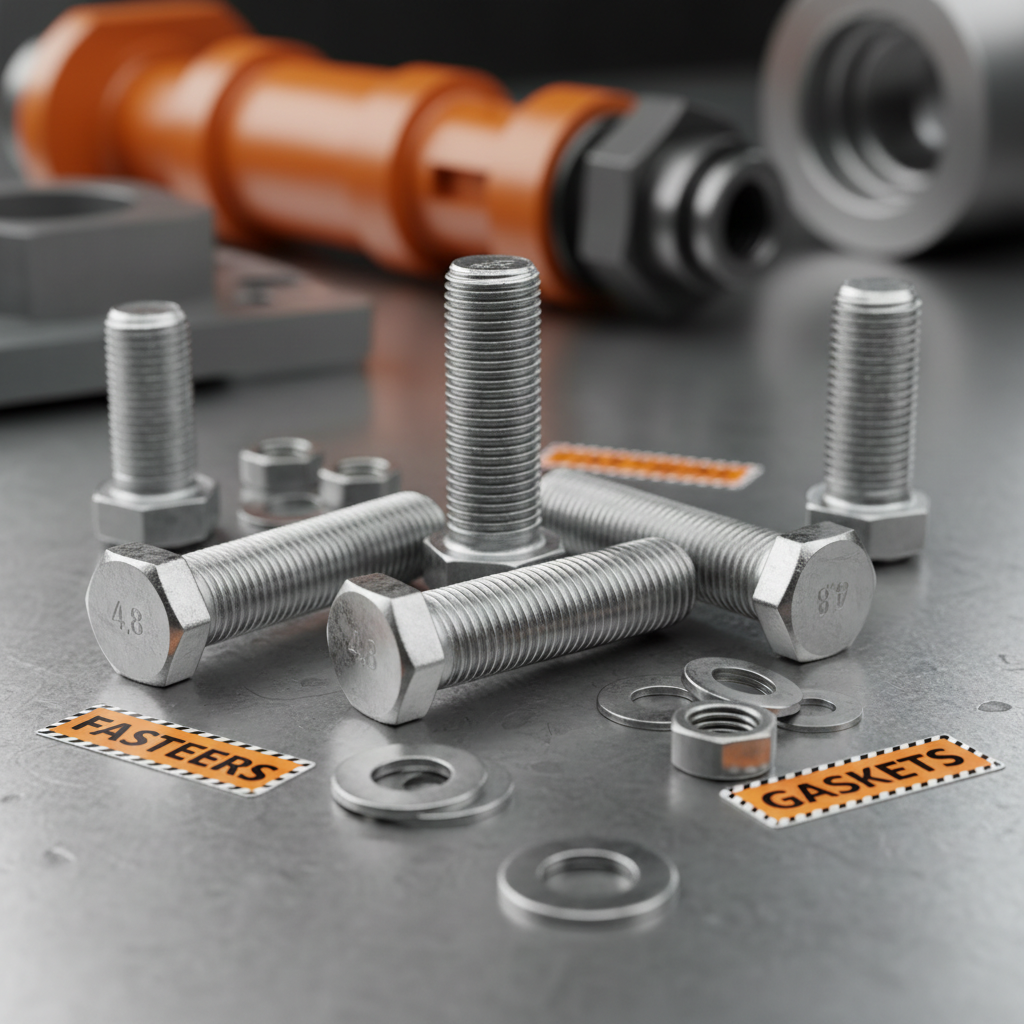
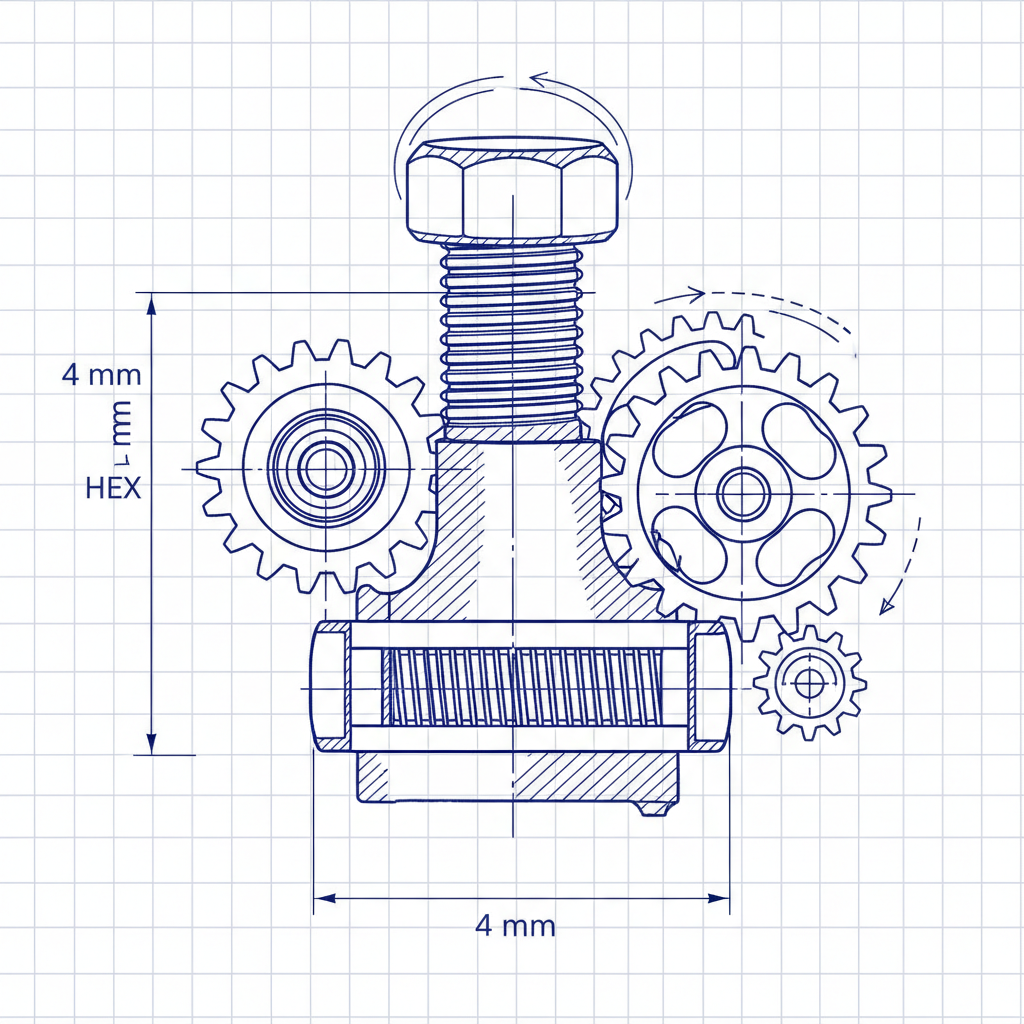
Understanding the Different Types of Metal Screws and Why They Matter
If you’ve ever assembled furniture, repaired a machine, or worked on a construction project, you know that not all screws are created equal. The myriad
types of metal screws might seem confusing at first glance — flat heads, pan heads, thread types, materials... But here’s the thing: understanding which metal screw to use is absolutely essential for ensuring a project’s durability, safety, and cost efficiency. This topic stretches far beyond your neighborhood hardware store. Globally, the right metal fasteners keep buildings standing through storms, vehicles running smoothly, and bridges safe for millions. So, why should you care?
Aside from the obvious — holding things together — an informed choice of metal screw reduces maintenance, supports sustainability, and lessens waste. With urbanization booming worldwide and industries increasingly relying on modular construction, metal screw technology plays a quietly critical role in shaping the physical world.
---
The Global Relevance of Types of Metal Screws in Industry and Infrastructure
You might not think about screws much, but according to ISO standards and global manufacturing data, the metal fastener market is projected to grow at an annual rate of roughly 5% worldwide (source: Statista, 2023). This growth is tied to rising infrastructure investments, automotive production, and the renewable energy sector — all of which rely heavily on metal screws for assembly and maintenance.
On a broader scale, consider humanitarian efforts and disaster recovery efforts, where reliable fasteners ensure rapid shelter construction. The ongoing challenge: variations in climate, material quality, and supply chain inconsistencies mean one-size-fits-all screw solutions don’t work. That’s why a deep understanding of the types of metal screws available — and their respective properties — is crucial to engineers, builders, and procurement specialists globally.
---
What Are Types of Metal Screws? A Simple Definition
In essence, types of metal screws refer to the various designs, materials, and thread forms of screws intended primarily for fastening metal parts. Unlike wood screws, metal screws might have finer threads, different head profiles, or be made from specific alloys to resist corrosion and deliver the necessary strength.
These screws act as a microscopic yet mighty backbone connecting parts in everything from electrical enclosures to airplanes. Their nuances affect everything from load-bearing capacity to ease of installation. For example, machine screws, self-tapping screws, and sheet metal screws each serve specialized roles at the interface of engineering design and practical assembly.
---
Core Characteristics that Define Metal Screw Performance
1. Material and Coating
The choice between stainless steel, brass, carbon steel, or alloy steel defines corrosion resistance and durability. Coatings such as zinc plating or black oxide improve lifespan dramatically in harsh environments.
2. Thread Type and Design
Fine vs coarse threads, self-tapping vs machine screw threads — these features dictate the screw’s gripping power and compatibility with materials. For example, self-drilling screws eliminate the need for pre-drilling, speeding up assembly.
3. Head Style and Drive
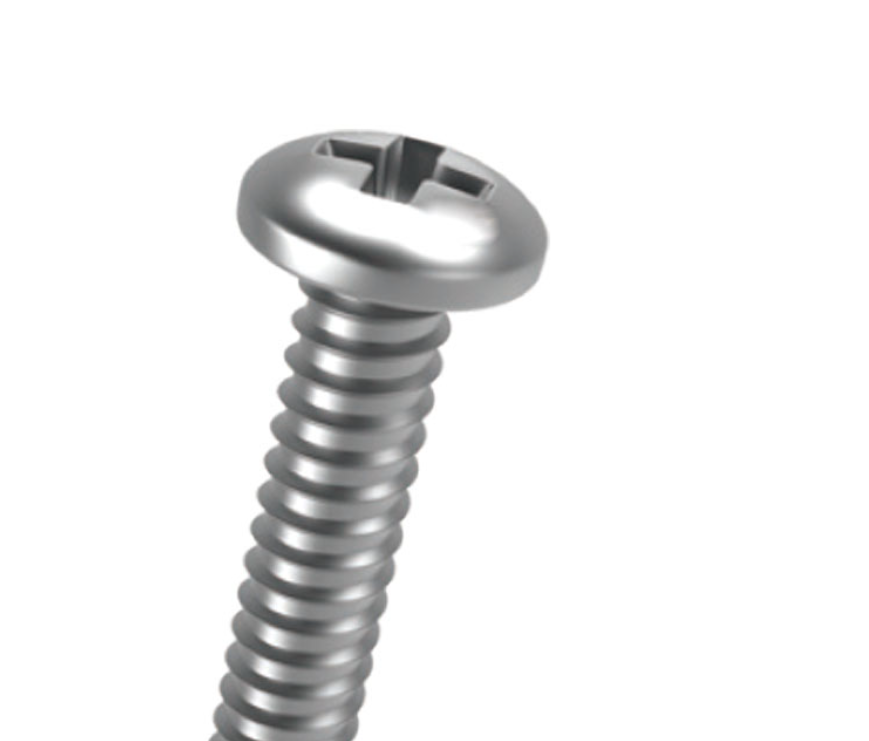
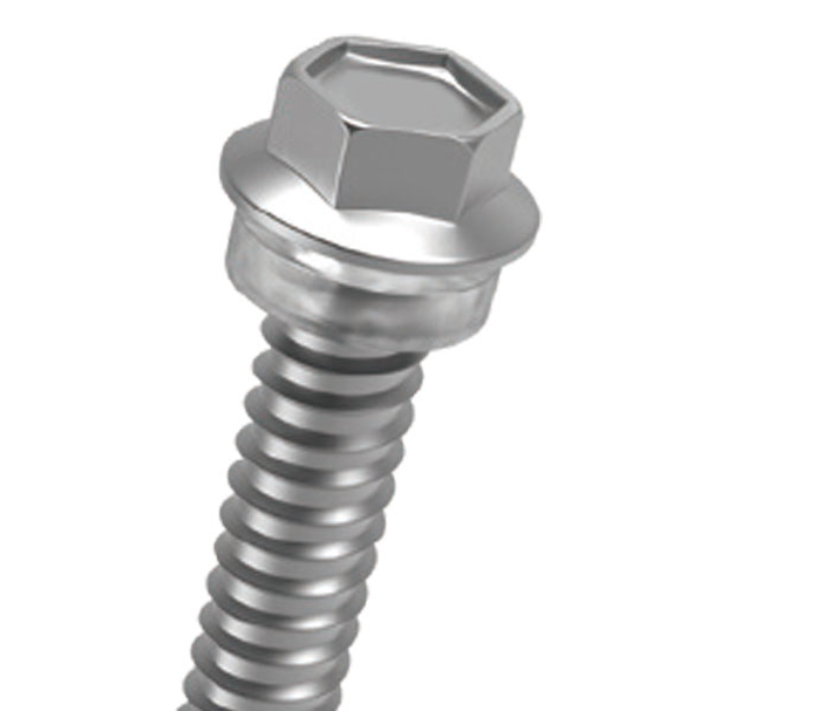
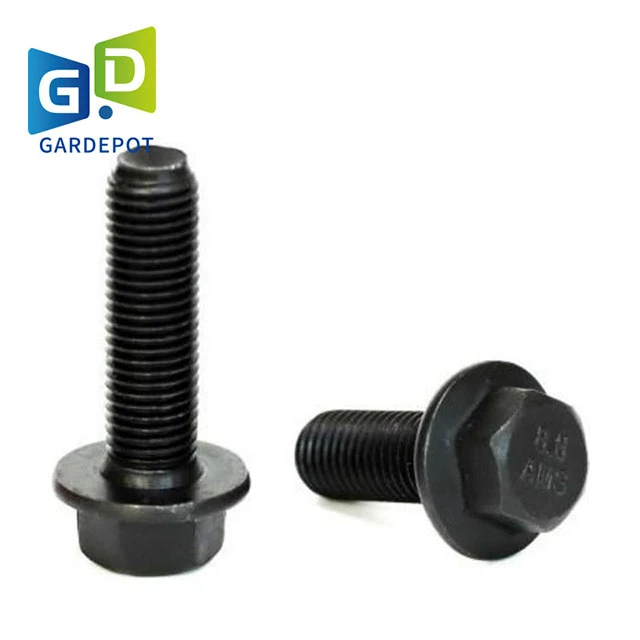
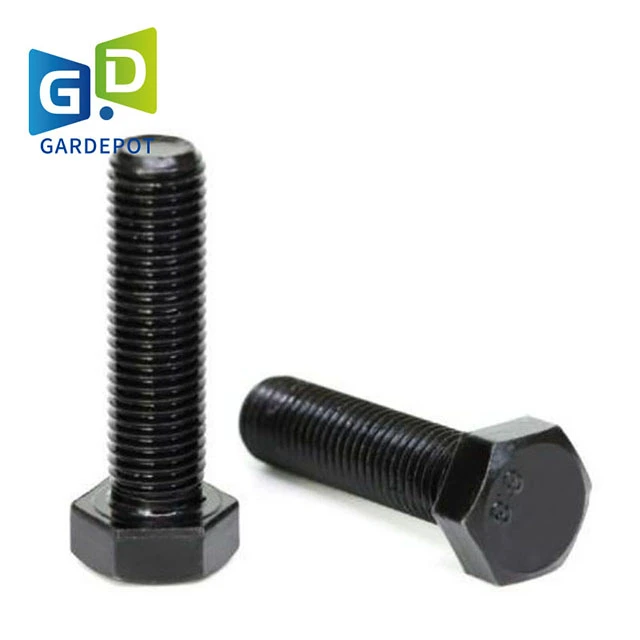
From pan head to flat head, and drives like Phillips, Torx, or hex — this affects both the screw’s appearance and the tool needed for installation. Torx drives, for instance, reduce cam-out and are favored in automotive manufacturing.
4. Strength Grades
Screws come with strength classes indicated by numbers (like 8.8 or 10.9) that communicate mechanical performance under stress. This is vital for structural integrity.
5. Size & Length
Selecting adequate sizes ensures proper load distribution and fit, which is surprisingly neglected sometimes, leading to failures.
Mini takeaway:
Familiarity with these fundamental aspects of metal screws lets engineers and technicians avoid costly mistakes and tailor fastener choices specifically to project needs.
---
Real-World Applications of Metal Screws Across Industries
From the skyscrapers in Dubai to the wind turbines in Northern Europe, metal screws are everywhere. The construction industry uses high-strength fasteners for steel frameworks; automotive manufacturers employ specialized thread-forming screws for engines and body panels; and consumer electronics rely on tiny, precision-machined screws for assembly.
In disaster relief, NGOs favor self-tapping metal screws for quick shelter assembly due to their ease of installation and durability — a factor that supports rapid, stable structures where speed is life-saving. In remote industrial zones like mining sites in Australia or oil rigs in the North Sea, corrosion-resistant metal screws maintain equipment functionality where replacements are costly and slow.
---
Advantages and Long-Term Value of Using the Right Metal Screws
Choosing the correct types of metal screws has tangible benefits:
- Cost Efficiency: Reduces need for repairs or reassembly.
- Sustainability: Longer lifespan means less material waste.
- Safety and Reliability: Proper screws prevent catastrophic failures.
- Innovation Enablement: Advanced screws support lightweight design in aerospace or renewable energy.
- Social Impact: Robust fasteners in infrastructure uphold community resilience.
Quite simply, these advantages build trust and value — not just in projects, but in the people depending on them.
---
Emerging Trends & Innovations in Metal Screw Technology
The field is evolving. Additive manufacturing techniques now enable custom screw threads for specialized uses. Eco-friendly coatings — using less toxic materials — respond to sustainability pressures. Digital tracking of screw inventory via RFID chips improves project management efficiency. Automation is driving precision fastener insertion on production lines to cut human error.
Green energy projects push for corrosion-resistant screws able to endure offshore wind turbine conditions. The future’s bright for metal screws, oddly enough — as tiny as they are, they’re key to big innovations.
---
Challenges and How Industry Leaders Are Addressing Them
However, challenges persist:
- Corrosion in extreme environments
- Supply chain disruptions for specialty materials
- Standardization across international projects
Solutions range from hybrid coatings, diversified sourcing, and stringent quality testing to collaborative standards development by bodies like ISO.
---
Frequently Asked Questions About Types of Metal Screws
- What is the difference between machine screws and self-tapping screws?
- Machine screws usually require a pre-threaded hole or a nut and are used for precise assembly, while self-tapping screws create or cut their own threads within the material, making them ideal for quicker installations in sheet metal.
- Can metal screws be reused safely?
- It depends on the application. While some metal screws can be reused if undamaged, critical structural uses recommend new screws to maintain strength and reliability.
- Why choose coated screws over plain metal screws?
- Coatings enhance corrosion resistance and extend screw life, especially in outdoor or humid environments where plain steel would rust quickly.
- Are there screw types suitable for high-temperature environments?
- Yes, specialized alloys like Inconel or stainless steel types are designed to withstand high heat without losing strength, commonly used in aerospace or automotive exhaust assemblies.
- How do I select the right screw size for my project?
- Consider the thickness and type of materials being joined, the expected load, and the screw’s length and diameter. Consulting product datasheets and engineering guidelines is recommended.
---
Comparing Popular Metal Screw Vendors
| Vendor |
Material Options |
Price Range |
Industry Focus |
Global Reach |
| FastenPro |
Stainless, Carbon, Alloy Steel |
$$ |
Construction, Automotive |
Strong in North America, Europe |
| ScrewTech |
Stainless, Brass, Specialty Alloys |
$$$ |
Electronics, Aerospace |
Global with strong Asia presence |
| BuildStrong |
Carbon Steel, Zinc-Coated |
$ |
Mass Market Building |
Regional, Mainly Americas |
---
Typical Metal Screw Specifications at a Glance
| Specification |
Value/Range |
Remarks |
| Common Sizes |
M2 to M20 diameter |
Varies by application |
| Material |
Stainless steel (304, 316), Carbon steel |
316 for marine environments |
| Tensile Strength |
Up to 1200 MPa (grade 12.9) |
For high-load scenarios |
| Thread Type |
Coarse, Fine, Self-tapping |
Coarse for quick assembly |
| Head Styles |
Pan, Flat, Hex, Torx |
Torx preferred for reduced cam-out |
---
Concluding Thoughts: Why Mastering Types of Metal Screws Matters
At the risk of sounding obvious, metal screws really are unsung heroes of modern infrastructure and manufacturing. The better you understand the diversity and properties of metal screws, the more you can optimize safety, sustainability, and cost-effectiveness for your projects.
They might be tiny, but they impact our lives in surprisingly big ways — increasing resilience after disasters, supporting global supply chains, or enabling innovations in green technology. So the next time you reach for a screw, it might just be worth pausing and thinking about which type really fits the bill.
Visit our website at
https://www.gardepota.com to explore the full range of types of metal screws and find the perfect fit for your next project.
---
References & Further Reading
- ISO - Metal Fasteners Standards
- Statista - Global Fasteners Market Size & Forecast
- Wikipedia - Screw (Thread) Technology