Understanding the Best Type of Screws for Metal Studs | Comprehensive Guide
Understanding the Type of Screws for Metal Studs: Why It Matters
From skyscraper frames to your local community center, metal stud framing has quietly revolutionized modern construction. But if you’ve ever glanced inside a drywall wall, the invisible helpers – the screws – often get overlooked. That’s exactly why a clear grasp of the type of screws for metal studs is essential. Not just for contractors or DIY aficionados, but for anyone intrigued by how buildings reliably come together, sustainably and safely.
Why does it matter globally? Metal stud framing is widespread, especially in commercial construction, where precision and speed are non-negotiable. According to the International Code Council (ICC), metal studs have seen a surge in adoption due to fire resistance and durability — and the right screws ensure those properties stay intact. Plus, with growing prefab building trends worldwide, choosing the right fasteners can shave costs and environmental impact substantially.
Global Context: The Role of Screws in Metal Stud Construction
Globally, the construction industry accounts for nearly 13% of global GDP, fueled notably by urbanization in Asia, the Middle East, and parts of Africa (World Bank, 2020). Metal stud framing, popular for its lightweight nature and adaptability, requires specialized screws engineered for strength and corrosion resistance.
The challenge? Traditional wood screws can’t handle the cold-rolled steel’s hardness or the demands for fire safety and seismic performance. Mistakes cause structural issues or expensive delays — no builder wants that. So, the right type of screws for metal studs isn't just a convenience; it's a safety and cost-saving must-have.
What Are Screws for Metal Studs Exactly?
Simply put, these screws are self-drilling or self-tapping fasteners designed specifically for joining drywall or sheathing to metal studs made usually of galvanized steel. Unlike general-purpose screws, they have unique thread designs, tip styles, and coatings that accommodate the hardness, thickness, and sometimes irregularities of steel studs.
In industrial terms, they bridge the gap between raw building components and finished structures. For humanitarian organizations handling rapid housing construction in disaster zones, choosing the correct screw type means ensuring both speed and lasting safety for vulnerable populations.
Key Features to Focus On
1. Drill Point or Tip Type
Your typical “self-drilling” tip acts like a mini drill bit, cutting through metal as the screw is driven, which avoids pre-drilling. Some have sunken points for harder gauges of steel—essential when working on tougher frameworks.
2. Thread Design
Certain screws have wide threads for better grip in thin steel, while others use fine threads for thicker studs, affecting hold strength and vibration resistance.
3. Coatings and Materials
Galvanized or stainless steel variants prevent rust, a critical feature in humid climates or exterior walls to maintain structural integrity over time.
4. Screw Head Types
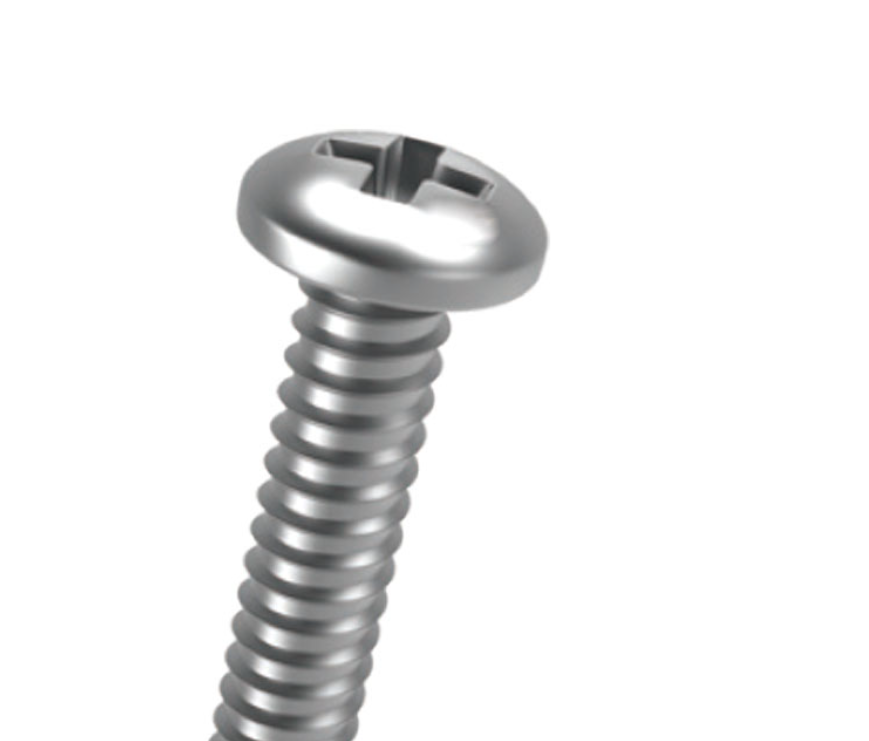
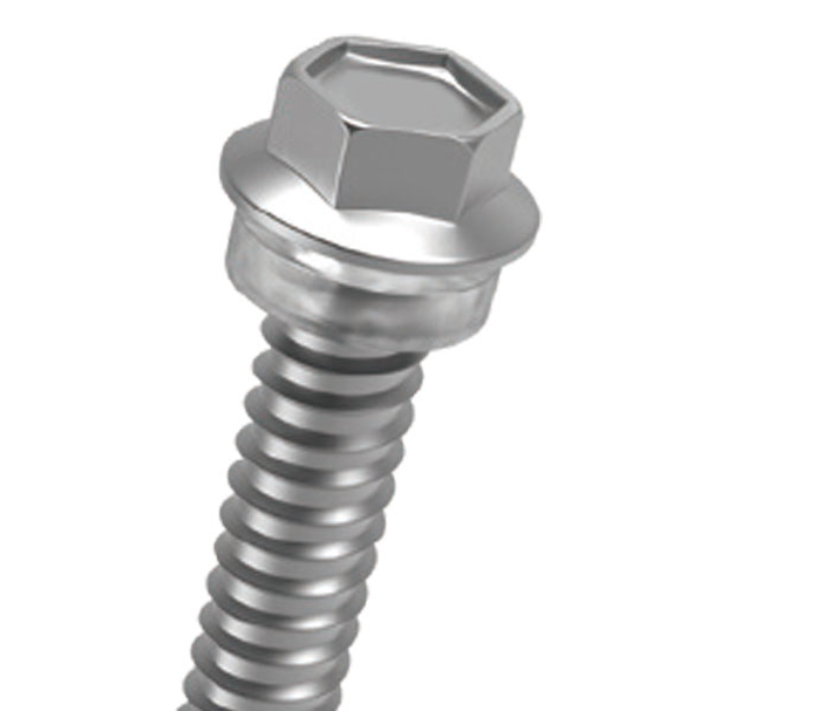
Pan-head, bugle-head, or Phillips heads — these influence both ease of installation and drywall finish quality, making the installer’s life easier and the final wall look cleaner.
5. Length & Diameter
Choosing the right length ensures the screw won't poke through the other side or pull short. The diameter, meanwhile, affects how well it grips without damaging thin steel.
Mini takeaway:
All these factors combined ensure that the screw functions not just as a fastener, but as a tailored mechanical solution for metal framing’s unique challenges.
Practical Applications Across the Globe
If you’re wondering where these specialized screws shine the most, think of rapidly developing urban areas with tall buildings, hospitals undergoing quick renovations, or refugee camps utilizing modular shelters. In places like Singapore or Dubai, where metal stud framing is preferred to speed up construction timelines without sacrificing safety, these screws are in constant use.
In the humanitarian sector, organizations like the Red Cross often use metal framing for semi-permanent shelters. They rely on corrosion-resistant screws because, frankly, no one wants a 3-month-old shelter collapsing during rainy season. Meanwhile, manufacturers in North America and Europe focus on sustainability by using screws with eco-friendly coatings that reduce environmental impact.
Mini takeaway:
The right screws for metal studs don’t just contribute to building walls—they support resilience, adaptability, and sustainability across diverse industries and geographies.
A Closer Look: Product Specifications at a Glance
| Feature | Value / Type | Application Notes |
|---|---|---|
| Material | Galvanized Steel / Stainless Steel | Corrosion resistance for varied environments |
| Thread Type | Fine / Coarse | Compatibility with steel gauge thickness |
| Head Style | Bugle / Pan / Truss | Ease of drywall installation and finishing |
| Tip Shape | Self-Drilling / Self-Tapping | Facilitates quick installation without pre-drilling |
| Length | 1” to 3” (25mm to 76mm) | Depends on drywall + stud thickness |
How Vendors Stack Up: Choosing the Right Supplier
| Vendor | Product Range | Customization | Sustainability Focus | Lead Time |
|---|---|---|---|---|
| FastenMaster | Wide (various lengths & heads) | Yes, bulk orders | Moderate (Galvanized steel) | 2-3 weeks |
| BuildRight Co. | Specialized fine-thread screws | Limited customization | High (Eco-friendly coatings) | 1-2 weeks |
| SecureFasteners | All types (self-drilling, tapping) | Yes, even special orders | Moderate | 3-4 weeks |
Advantages & Long-Term Benefits of Choosing the Right Metal Stud Screws
- Cost efficiency: Proper screws reduce callbacks and repairs, saving money down the line.
- Structural integrity: Minimize risk of drywall sagging, snapping, or loosening over time.
- Corrosion resistance: Extends lifespan of buildings in humid or corrosive environments.
- Faster installation: Self-drilling screws cut labor hours significantly on-site.
- Safety: Prevent accidents from failed fastenings, especially in earthquake-prone zones.
And on a more emotional level, builders often mention the “peace of mind” that comes with knowing their framework won’t suddenly fail mid-project.
Future Innovations Shaping Metal Stud Fastening
Odssly enough, this niche sees ongoing innovation, from embedding smart sensors to monitor stress-loads, to developing screws with nanotech anti-corrosion coatings. Sustainability is a big driver — expect more biodegradable packaging and less use of hazardous chemicals in coatings.
Automation of screw driving also evolves, with tool manufacturers adding torque limits and better ergonomics to reduce builder fatigue. And as prefab modular construction grows, fasteners optimized for repetitive assembly and disassembly become ever more vital.
Common Challenges and Solutions
One nagging challenge is compatibility with varied steel gauges. Too thin, and the screw won’t hold; too thick, and it’s a battle to drive through. Experts recommend ordering sample packs from vendors to test in your exact materials. Also, corrosion in coastal regions remains tricky — look out for marine-grade options.
Storage conditions matter, too. Steel screws rust quickly if left in damp warehouses. A simple fix is climate-controlled storage or ordering smaller batches more frequently.
FAQ: Frequently Asked Questions About Type of Screws for Metal Studs
Q1. What screw type works best for heavy gauge metal studs?
A: Screws with self-drilling tips and fine, sharp threads are designed for thick steel. Look for lengths around 1.5” to 2.5” depending on drywall thickness to guarantee a strong hold.
Q2. Can I use wood screws on metal studs?
A: Generally, it’s not recommended. Wood screws lack the proper thread design and tip strength for metal, leading to stripped threads or weak hold over time.
Q3. How long do coated metal stud screws last in humid environments?
A: With quality galvanized or stainless steel coatings, lifespan can extend beyond 10 years — sometimes much longer, but always check manufacturer specs.
Q4. Are self-drilling screws more expensive than standard ones?
A: They often cost a bit more upfront but save on labor and rework costs, making them more economical overall.
Q5. Where can I buy specialized screws for metal studs?
A: Vendors like FastenMaster or SecureFasteners provide a broad range, often customizable. For more info, visit type of screws for metal studs.
Conclusion: A Small Component with Big Impact
Think about it – the humble screw, when chosen correctly, upholds entire walls, accelerates projects, and supports global building standards. For anyone involved with metal stud framing, understanding the type of screws for metal studs is a game-changer in safety, cost, and quality. Next time you’re in a half-finished building or rapid housing project, spare a thought for that tiny but mighty fastener.
Ready to equip your projects with the best? Visit our site: https://www.gardepota.com – your trusted source for premium metal stud screws and accessories.
References: