Different Types of Screws for Every Industrial Need
Understanding Different Types of Screws in Industrial Applications
Working in the industrial equipment sector, one quickly learns that not all screws are created equal. In fact, if you wander through a hardware store or skimp on the right screw type for a project, you might end up with something that just doesn’t hold up—or worse, causes damage. I remember early in my career trying to fix a conveyor frame with wood screws. The screws showed signs of rust within months, and the hold was sketchy at best. Lesson learned: picking the right screw is as important as the machine itself.
So, what are the main types of screws you often encounter in industrial contexts? There are a few staples: machine screws, wood screws, sheet metal screws, and self-tapping screws. Each one serves a different purpose and is designed to work with specific materials and loads. Here, I’ll walk you through some of their key specs and uses — it might save you a headache on your next project.
Machine Screws: Precision and Reliability
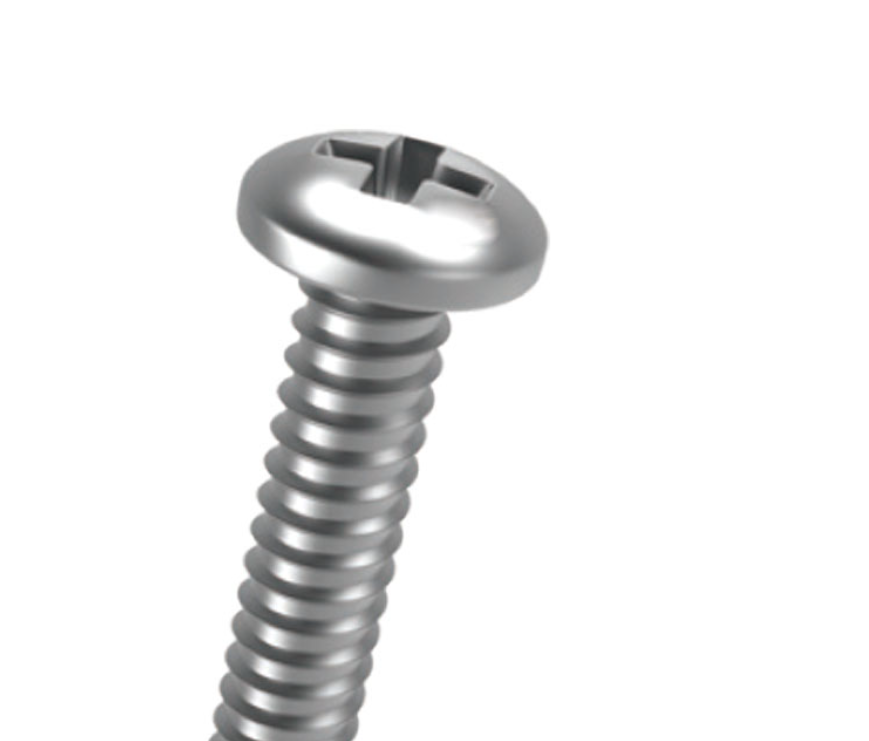
Machine screws are typically used with nuts or tapped holes and are engineered for metal-to-metal fastening. They come in a range of head styles—flat, pan, and round—giving flexibility depending on the clearance and aesthetic needed. The common materials are stainless steel or alloy steel, which helps them resist corrosion and maintain strength under stress.
I once saw a massive machine assembly line where every bolt and screw needed to withstand vibration and temperature shifts. Machine screws with precise thread pitches (usually fine threads) prevented loosening — a critical safety concern in that environment.
| Screw Type | Material | Thread Type | Common Use |
|---|---|---|---|
| Machine Screw | Stainless Steel, Alloy Steel | Fine Pitch Threads | Metal Assembly, Equipment Parts |
| Wood Screw | Carbon Steel, Brass | Coarse Threads | Woodworking, Furniture |
| Sheet Metal Screw | Stainless Steel, Zinc Plated | Sharp, Pointed Threads | Thin Metal Sheets |
| Self-Tapping Screw | Steel, Stainless Steel | Cutting Threads as It Drills | Rapid Assembly, Various Materials |
Choosing the Right Screw for Your Industrial Needs
The variety might look dizzying, but in real terms, it boils down to a few factors. Material compatibility, strength requirements, and environmental conditions top the list. For example, if you’re fastening metal to metal in a humid environment, stainless steel machine screws (or fasteners from specialist suppliers) with corrosion-resistant coatings are your best bet.
One trend I noticed is the rise in self-tapping screws for fast assembly lines. They save time by eliminating pre-drilled pilot holes. But beware: if the material is too hard or thick, these can snap under pressure. A colleague once rushed a repair job using self-tappers in thick steel panels—let’s say the screws didn’t make it through the shift without some drama.
| Vendor | Product Range | Material Quality | Pricing | Lead Time |
|---|---|---|---|---|
| Gardepota | Extensive (Machine, Wood, Self-Tapping) | High-grade stainless and alloy steels | Competitive, volume discounts | Typically 3–5 days |
| FastenPro | Moderate (Mainly screws and bolts) | Reliable steel options | Mid-range | 5–7 days |
| MetalFix | Wide (Specialty fasteners) | Premium high-strength alloys | Higher-end pricing | 7–10 days |
Final Thoughts on Fasteners and Their Unsung Importance
In the dusty back rooms of factories or the high-tech assembly lines buzzing with precision, screws might seem like the smallest detail. Yet, odd as it sounds, the whole structure’s integrity sometimes depends on these tiny heroes. Sure, some engineers might scoff at spending time debating screw types, but once a wrong fastener causes costly downtime—well, they usually change their tune.
To sum it up: always consider the material, environment, and load. And if you want a reliable source to browse and purchase quality options, check out fasteners from specialists like Gardepota. Trust me, sourcing the right screw is more science than art, but with the right guidance, it’s a smoother ride.
References or personal notes:
- Personal experience with conveyor assembly lines and fastener selection.
- Supplier catalogs and material specs from industrial fastener vendors.
- Discussions with engineers and maintenance teams over past projects.