Durable and Sustainable Rubber Roof Plates | Innovative Roofing Solutions
The Quiet Power of Rubber Roof Plates: Building Durable Futures
Rubber roof plates, while not always grabbing headlines, form a surprisingly fundamental part of modern roofing technology, especially in industrial and humanitarian contexts. In a world increasingly aware of climate resilience, rapid construction, and sustainability, understanding these materials may be more important than you expect. At their core, rubber roof plates provide a combination of adaptability, protection, and longevity that helps buildings—from remote shelters to big warehouses—weather storms and time itself.
Understanding the Global Relevance of Rubber Roof Plates
The global push for sustainable infrastructure and fast-deploy construction has brought rubber roof plates into sharper focus. According to the United Nations Environment Programme (UNEP), climate-related disasters have increased by over 80% in the past two decades, putting pressure on construction materials to be not just robust but also versatile and eco-friendly. Rubber roof plates embody many of these qualities, offering waterproofing, flexibility, and improved resistance to temperature shifts.
But there's another layer to this: growing urbanization means new roofs go up every day, and traditional materials can’t keep pace with speed and environmental concerns. Rubber-based roofing solutions address these challenges by reducing waste, enabling faster installation, and enhancing thermal insulation, thereby cutting energy costs—a pretty neat alignment with evolving global standards like ISO 14001 on environmental management.
Mini Takeaway:
Rubber roof plates offer an innovative solution that aligns with a world demanding durability, eco-awareness, and rapid response. Not just another roofing material—they’re a quiet revolution.
What Exactly Are Rubber Roof Plates?
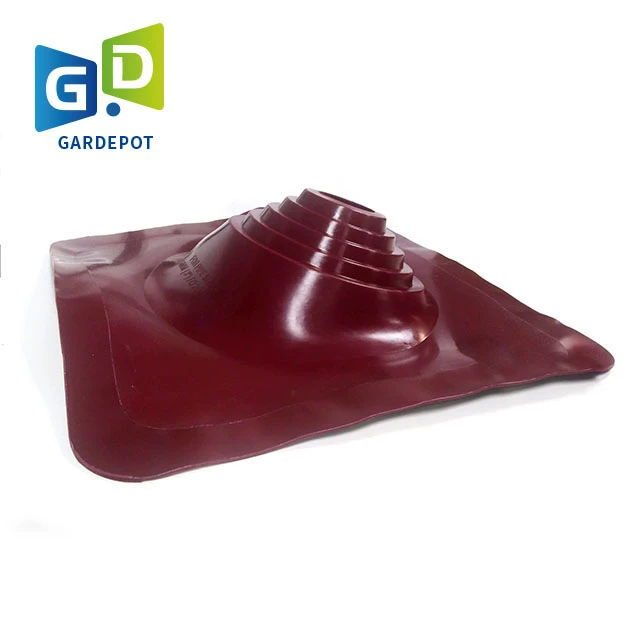
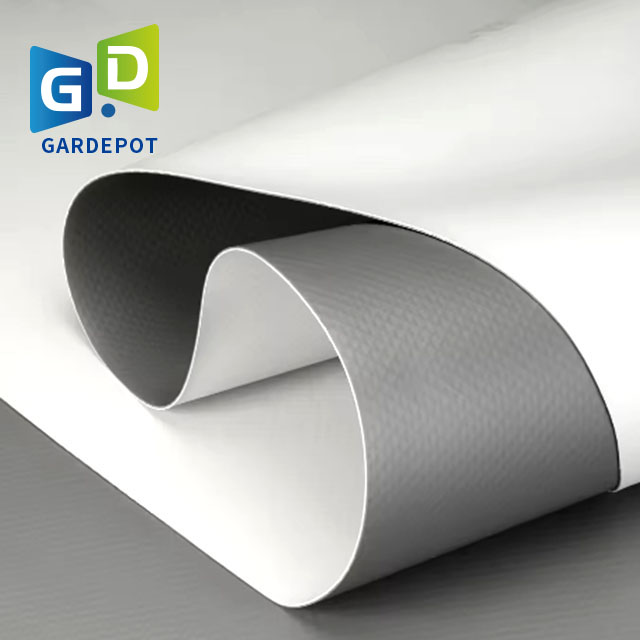
Simply put, rubber roof plates are sheets or panels made from synthetic or natural rubber compounds designed to cover and protect roofs. Unlike traditional tiles or metal sheets, they provide a flexible, waterproof layer that can endure harsh weather without cracking or corroding.
In modern industry, these plates are often reinforced with fibers or coatings to increase their lifespan and performance. Beyond traditional roofs, they also find resonance in humanitarian settings—think refugee shelters or post-disaster rapid housing—where speed, durability, and protection are crucial.
Mini Takeaway:
Rubber roof plates are flexible, protective roofing panels designed for durability and diverse applications, combining material science with practical needs.
Key Factors that Define Rubber Roof Plates
Durability & Weather Resistance
One of the standout features is their ability to resist UV rays, extreme temperatures, and moisture. Many engineers note that properly installed rubber roofing can last decades without degradation—not bad when you consider the pounding a roof often takes.
Flexibility & Ease of Installation
Rubber roof plates can bend and conform to complex shapes, which is a big deal on odd architectural designs or uneven surfaces. This flexibility speeds up installation, reduces reliance on skilled labor, and minimizes breakage—lowering overall costs.
Cost Efficiency & Sustainability
They often require less maintenance and can be produced from recycled materials. Sustainable manufacturing is becoming a must-have, and rubber plates tick those boxes by extending the roof’s lifespan and reducing need for replacements.
Thermal Insulation
Rubber’s natural insulation properties help keep buildings cool in summer and warm in winter, reducing energy demands—a crucial benefit for factories, warehouses, and even home structures.
Compatibility & Adaptability
These plates work well with other roofing materials and systems, allowing seamless integration in retrofits or hybrid designs.
Mini Takeaway:
- Durability and weather-proofing mean fewer worries over time.
- Flexibility makes installation simpler and adaptation easier.
- Lower lifecycle costs and sustainable sourcing appeal to green goals.
How and Where Rubber Roof Plates Are Changing the Game Globally
If you look beyond the city skyscrapers, rubber roof plates see heavy use in places where conditions are toughest. For example:
- Post-disaster zones: Nonprofits and NGOs use these plates in quick-assembly shelters to provide immediate, reliable cover.
- Remote industrial zones: Mining camps in Australia or oil extraction sites in Canada deploy temporary facilities with rubber roofs resisting extreme weather.
- Urban green architecture: Europe’s eco-buildings often integrate rubber roofing panels for their insulation and flexible installation benefits.
According to ISO’s environmental standards reports, the modular nature and recyclability of these materials are gaining traction in Asia and North America, making them a go-to for modern developments.
Mini Takeaway:
Rubber roof plates aren’t niche—they’re a global solution spanning industry, disaster relief, and sustainable urban projects.
Rubber Roof Plates: Product Specification Table
| Specification | Details |
|---|---|
| Material Composition | EPDM Rubber with fiber-reinforced backing |
| Thickness | 3-6 mm (customizable) |
| Weight | 1.5 kg/m² approx. |
| Temperature Resistance | -40°C to 120°C |
| UV Resistance | Excellent (up to 5 years+ exposure) |
| Lifespan | 20-30 years (depending on environment) |
| Installation Time | Typically 1-2 hours per 10 m² |
Vendor Comparison: Who Makes the Best Rubber Roof Plates?
| Manufacturer | Price Range (per m²) | Sustainability Claims | Warranty | Global Availability |
|---|---|---|---|---|
| EcoRubber Corp. | $15–$22 | 80% recycled materials | 25 years | North America, Europe |
| GreenShield Roofing | $18–$25 | Certified biodegradable coatings | 20 years | Global |
| RapidSeal Industries | $13–$20 | Focus on low energy production | 15 years | Asia, Australasia |
Why Rubber Roof Plates Offer Long-Term Value
Aside from their technical specs, rubber roof plates resonate emotionally with stakeholders who prioritize safety and sustainability. For homeowners in typhoon-prone areas or NGOs setting up disaster response shelters, they represent reliability and dignity. You’re not just roofing a building—you’re shielding lives.
Logical benefits include reduced maintenance, energy savings, and adaptability to various climates. Over time, these factors reduce the total cost of ownership, which often gets overlooked until you’re stuck patching leaks or shivering beneath a drafty roof.
Looking Ahead: Innovations & Trends in Rubber Roofing
It feels like rubber roofing is on the cusp of a green leap. New formulations infused with nanomaterials promise even better UV resistance and self-healing properties. Digital manufacturing techniques, including laser cutting and AI-assisted custom fitting, could revolutionize precision and reduce waste.
Plus, with growing interest in solar-energy integrated roofs, rubber plates compatible with photovoltaic layers are being developed to marry sustainability with tech efficiency.
Common Challenges & How Experts Are Overcoming Them
But no material is perfect. Some critics mention concerns about fire resistance or chemical degradation in harsh industrial zones. That’s why expert installers recommend combining rubber plates with fire-retardant barriers or selecting formulations certified for chemical exposure.
Besides that, supply chain hiccups can limit availability in remote areas. Innovative logistics partnerships and modular packaging solutions are helping to improve accessibility, reducing delays and costs.
FAQ: Practical Questions About Rubber Roof Plates
Q: Are rubber roof plates suitable for cold climates?
A: Absolutely. Their natural flexibility helps them resist cracking under freezing temperatures, and many grades perform well down to -40°C. Proper installation with insulation layers can maximize their thermal benefits.
Q: How do rubber roof plates compare to metal roofing in terms of lifespan?
A: While metals like steel can last 40-50 years, rubber roof plates typically offer 20-30 years but require less maintenance and resist rust and corrosion, especially in salty air environments.
Q: Can rubber roof plates be recycled at the end of their use?
A: Many modern rubber roof plates contain recycled content and themselves are recyclable in industrial facilities, reducing landfill waste and environmental impact.
Q: How quickly can a rubber roof be installed on an average residential building?
A: Installation can often be completed within days rather than weeks, thanks to lightweight panels and flexible design, allowing for less labor and minimal disruption.
Q: Are these plates fire resistant?
A: Many rubber roof plates come with fire-retardant additives or coatings; however, local building codes should guide specific product choices to meet safety standards.
In Conclusion: The Value of Rubber Roof Plates in a Changing World
It feels like rubber roof plates quietly deliver more than their fair share of resilience, sustainability, and cost-effectiveness. They’re not just patches on old roofs—they’re enablers of better living spaces, smarter industrial setups, and urgent humanitarian shelters. If you’re curious to explore options or get expert recommendations, don’t hesitate to visit our website where a range of solutions is waiting to support your next project.