Durable Rubber Roof Screws and Plates for Reliable Roofing Systems | GardePota
Understanding Rubber Roof Screws and Plates: Essential Components in Modern Roofing
Rubber roof screws and plates may not be the flashiest items in construction, but if you’ve dabbled in roofing or industrial building materials, you know they really hold things together—sometimes literally. These small yet mighty components are crucial in securing rubber roofing membranes and similar materials, ensuring waterproofing, durability, and structural integrity worldwide.
Their importance isn’t just local or regional; they address global concerns like climate resilience, affordable construction, and sustainable buildings. The question is why we hear less about them, despite their role in protecting millions from weather damage and enabling cost-efficient roofing solutions. Let’s take a closer look.
Why Rubber Roof Screws and Plates Matter Globally
Globally, roofing materials must contend with climatic extremes and expanding urbanization. According to the International Organization for Standardization (ISO), rooftop systems that combine strong waterproofing with flexible, durable fasteners reduce repair demands by up to 40% in certain climates.
Meanwhile, the United Nations Environment Programme highlights that poor building extents contribute largely to energy inefficiency and accelerated material degradation. Rubber roof screws and plates help mitigate these by sealing membranes tightly, preventing leaks that can lead to mold or heat loss.
In post-disaster reconstruction—whether in typhoon-prone Southeast Asia or earthquake zones—the rapid installation of secure roofing is vital to safeguard families and infrastructure. Here, reliable fasteners speed up setup while maintaining long-term resilience.
Mini takeaway: Small components can have outsized impacts on building longevity and human safety worldwide, and rubber roof screws and plates do just that.
What Are Rubber Roof Screws and Plates?
Simply put, these are specialized screws paired with protective plates designed to fasten rubber roofing membranes to underlying structures. The plate distributes the mechanical load of the screw across a wider surface area, eliminating tears or punctures in the roofing membrane, which is typically made from synthetic rubber materials like EPDM (ethylene propylene diene monomer).
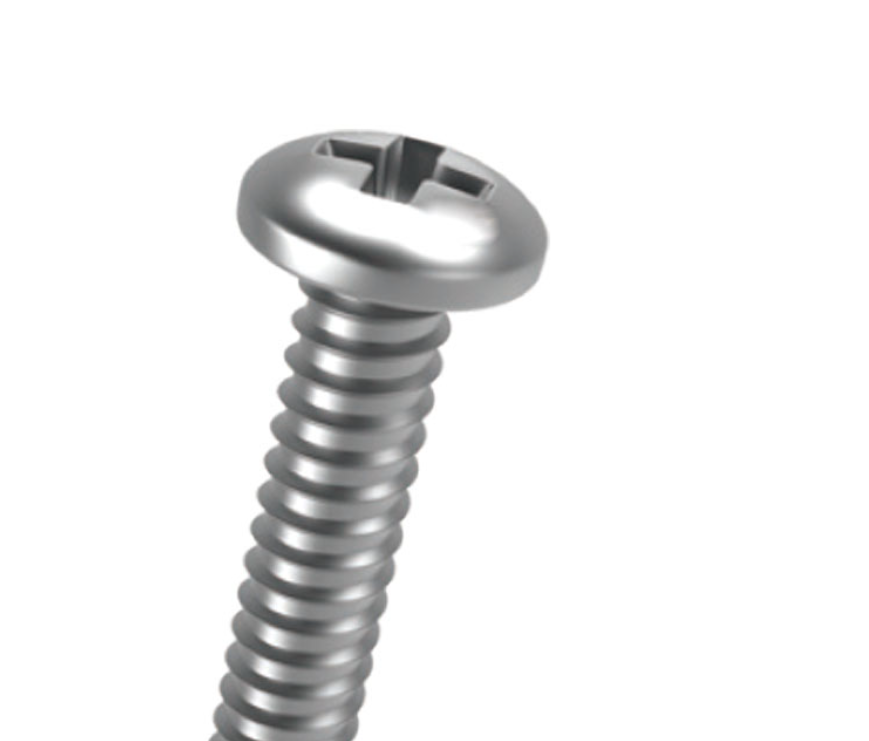
Unlike regular screws, rubber roof screws have corrosion-resistant coatings and a specially designed head that ensures a watertight seal, often incorporating a neoprene or EPDM washer. The plates are usually made from galvanized steel or galvanized aluminum, chosen for weather resistance and strength.
These aren’t just construction fixings; they are critical facilitators of modern roofing systems that need flexibility, waterproofing, and longevity. Their environmental friendliness also ties into modern sustainability goals by reducing waste and maintenance.
Key Components at a Glance:
- Screw material & coating: corrosion resistance is king.
- Rubber washers: ensure watertight seals around the screw head.
- Plates: disperse stress and prevent membrane damage.
- Thread design: optimized for secure fastening into wood, metal, or concrete substrates.
Mini takeaway: The combined design of screws plus plates accounts for both strength and membrane protection, making your roofing system more durable.
How Durability, Cost-Efficiency, and Scalability Come Together
Durability and Weather Resistance
These screws and plates are engineered to withstand UV exposure, rain, heat, and freeze-thaw cycles. A well-installed rubber roof fastened with these components holds up for decades. Many engineers report installations lasting 20-30 years with minimal issues when proper fasteners are used.
Scalability for Large and Small Projects
Whether it’s a tiny shed or a sprawling warehouse, these fixation systems scale well. Manufacturers offer various sizes and lengths to match different structural needs, making them versatile for custom and industrial jobs alike.
Cost Efficiency
While the upfront cost might be marginally higher than standard fasteners, rubber roof screws and plates save money long term. Less maintenance and fewer repairs balance initial spending — a classic case of “spend once, save often.”
Sustainability
Many fasteners are now made with recycled metals or reusable designs, matching global pushes to reduce waste and carbon footprints in construction.
Mini takeaway: These components embody the triple bottom line: lasting quality, economic sense, and environmental responsibility.
Common Global Applications & Industry Use Cases
Rubber roof screws and plates are in use across many regions and industries:
- Commercial and Residential Roofing: Keeping flexible membranes secured to decks globally — from the Americas to Asia.
- Post-disaster Relief: NGOs and governments rely on fast deployment roofing systems that use these fasteners for quick, safe shelter establishment.
- Industrial Sites: In remote mining or manufacturing zones where roofing integrity prevents costly equipment damage.
- Agricultural Buildings: Where weatherproofing animal shelters or storage barns hinges on secure roofing.
For example, in hurricane-prone Florida, contractors regularly use coated rubber roof screws and plates due to their proven water resistance and wind-hold capabilities. Likewise, European green roof projects adopt these elements to marry sustainability with practicality.
Advantages and Long-Term Value of Using Rubber Roof Screws and Plates
Why do builders and specifiers routinely opt for these? Aside from technical reasons, there’s a very human factor. We’re talking about the safety and dignity of residents, the reliability that owners can trust, and the innovation that continually improves comfort and performance.
- Cost savings: Less re-roofing means more budget for other needs.
- Environmental benefits: Durable roofs reduce landfill waste and material consumption.
- Peace of mind: Strong seals mean dry homes, preventing mold and health risks.
- Adaptable technology: Works with many rubber membrane types and substrates.
Product Specifications of Typical Rubber Roof Screws and Plates
| Specification | Details |
|---|---|
| Screw Material | Stainless Steel 304 / Galvanized Steel |
| Washer Type | EPDM Neoprene Sealing Washer |
| Plate Material | Galvanized Aluminum / Steel |
| Available Lengths | 25mm – 100mm |
| Coating Finish | Anti-corrosion Zinc Phosphate or Epoxy |
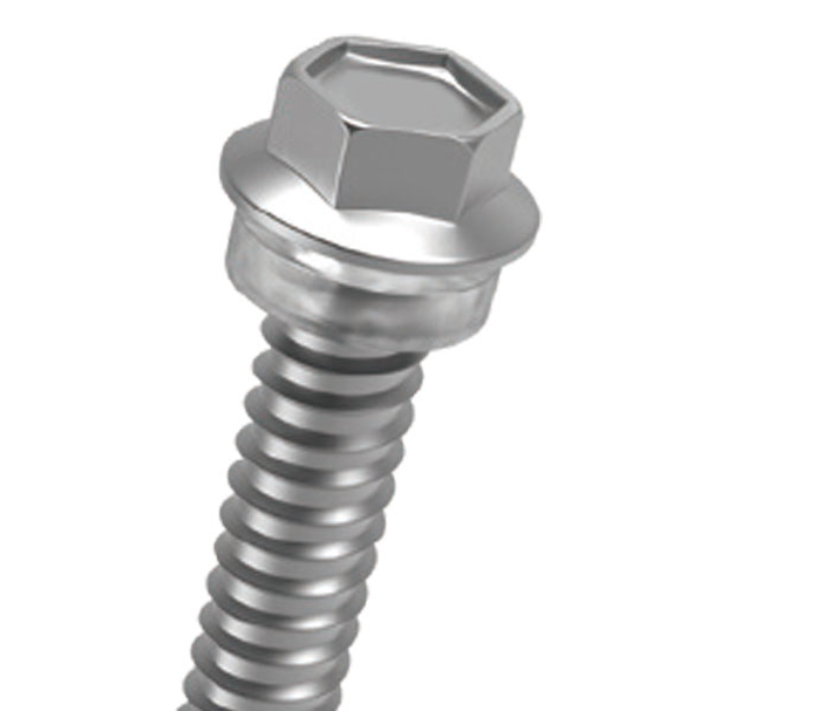
| Typical Head Type | Hex Washer Head with sealed rubber gasket |
How Top Vendors Stack Up
| Vendor | Material Quality | Price Range | Application Range | Lead Time |
|---|---|---|---|---|
| RoofTech Supplies | High-grade stainless steel | $$$ | Industrial, Commercial | 2 weeks |
| EcoFasteners Co. | Recycled metal composites | $$ | Residential, Green Roofs | 1 week |
| Global Fixer Tech | Zinc-phosphate coated steel | $ | Mass construction, Relief work | 3 days |
Future Trends in Rubber Roof Screws and Plates
We’re seeing innovation in bio-based washers, automated installation systems, and integration with digital building management. For example, smart screws with embedded sensors could soon monitor roof health and send alerts when maintenance is due—oddly sci-fi sounding, but real.
Plus, sustainability drives materials that are renewable and recyclable. Some vendors even explore nano-coatings that extend lifespan by repelling dirt and moisture. It’s all about the roof working harder while you do less.
Challenges and How the Industry is Tackling Them
Fasteners can fail if wrong materials are chosen or if installation is rushed. Mismatched coatings risk corrosion, and improper plate sizes can damage membranes—not fun when you’re halfway through a project in bad weather.
Experts advise thorough site assessment, material matching, and training installers carefully. Newer products with self-sealing features have also reduced leak chances. Consulting product datasheets and sourcing from reputable suppliers ensures you won’t come back to surprises.
FAQ: Quick Answers to Common Questions
- Q: Can rubber roof screws and plates be used on metal and wood decks?
A: Yes, they are designed to work with various substrates including metal, wood, and concrete, but choosing the right screw length and thread type is essential for secure fastening. - Q: How do rubber washers improve waterproofing?
A: The rubber washer compresses under the screw head, creating a water-tight seal that prevents moisture from seeping through the hole, a critical factor in membrane longevity. - Q: Are these screws suitable for all rubber roofing materials?
A: They're typically compatible with EPDM, TPO, and similar synthetic rubber membranes, but always check manufacturer specs to confirm. - Q: What installation mistakes should be avoided?
A: Over-tightening screws can crush washers or tear membranes, and under-tightening risks leaks. Using the correct torque and plate size fixes this. - Q: Where can I buy reliable rubber roof screws and plates?
A: Vendors like rubber roof screws and plates specialize in high-quality products tailored to various roofing needs.
Wrapping Up: Why Invest in Quality Rubber Roof Screws and Plates?
In the world of roofing, few things are as unsung as the humble rubber roof screw and protective plate. Yet they make a world of difference—from providing reliable protection under extreme weather to lowering lifecycle costs and enhancing sustainability. When you specify these right, you’re not just fastening a roof; you’re building trust, safety, and long-term peace of mind.
To get started with premium roofing fasteners that truly perform, visit rubber roof screws and plates — your source for dependable components engineered to last.