Durable M10 Hex Flange Bolt Solutions for Industrial Excellence | Gardepota
M10 Hex Flange Bolt is a key solution in the industry, specifically within heavy machinery, automotive assembly, and construction sectors. This article explores how https://www.gardepota.com supports professionals with durable, high-performance products, and explains why this product is an ideal choice for businesses in these sectors.
Table of Contents
- M10 Hex Flange Bolt Overview
- Benefits & Use Cases of M10 Hex Flange Bolt
- Cost, Maintenance & User Experience
- Sustainability & Market Trends
M10 Hex Flange Bolt Overview
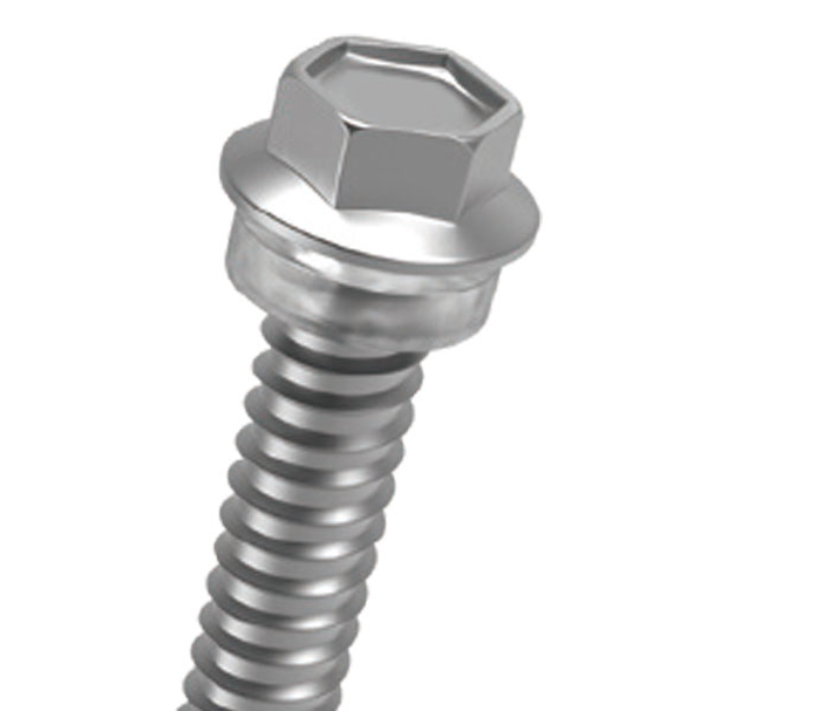
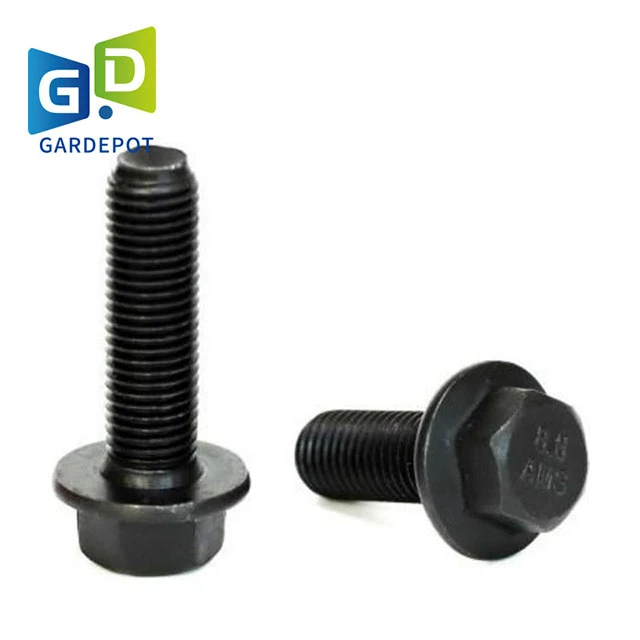
When you hear “M10 Hex Flange Bolt,” what immediately comes to mind? In real terms, it’s a fastening element combining a hexagonal head with an integrated flange that acts like a built-in washer, spreading load over a broader surface area. This design significantly reduces surface pressure and eliminates the need for a separate washer, kind of streamlining assembly processes. They’re widely favored in industries where reliability under vibration and heavy loads matters – think automotive engines, heavy construction, or manufacturing plants.
Technically, an M10 bolt designates a nominal diameter of 10 millimeters with standard pitch thread. The flange typically measures around 20mm in diameter but can vary. Materials range from stainless steel (A2, A4 grades) to alloy steel with coatings like zinc plating or black oxide for corrosion resistance. Performance-wise, tensile strength often clocks in around 800 - 1000 MPa for alloy steels. I recall one case study from a heavy equipment manufacturer that switched to M10 Hex Flange Bolts and saw a 15% reduction in assembly time thanks to the integrated flange feature alone.
| Specification | Details |
|---|---|
| Diameter | M10 (10 mm) |
| Length Range | 20 mm to 100 mm (various options) |
| Thread Pitch | 1.5 mm (standard metric coarse) |
| Material | Stainless steel, Alloy steel with zinc/oxide coatings |
| Tensile Strength | 800 - 1000 MPa (depending on grade) |
Benefits & Use Cases of M10 Hex Flange Bolt
In practical terms, the M10 Hex Flange Bolt shines where vibration resistance and load distribution matter most. For industries like automotive manufacturing, they’re essential in engine assembly and chassis components. The integrated flange ensures even clamping force, minimizing loosening over time — you wouldn’t want a critical joint failing mid-operation, right? Other sectors, like heavy machinery and structural construction, also benefit from their efficient installation and reliability.
Features like corrosion-resistant coatings (zinc or stainless steel options) extend service life even in harsh environments. Plus, compared to traditional hex bolts paired with washers, flange bolts tend to reduce parts count, simplifying inventory and procurement. That’s a competitive advantage, especially when managing large-scale operations or projects where downtime costs are sky-high.
Vendor Comparison: M10 Hex Flange Bolt Suppliers
| Vendor | Material Options | Custom Lengths | Lead Time | Typical Pricing |
|---|---|---|---|---|
| Gardepota | Stainless, Alloy Steel, Zinc Coating | Yes | 1-2 Weeks | Mid-range, volume discounts |
| Competitor A | Alloy Steel only | No | 3-4 Weeks | Lower but bulk-only |
| Competitor B | Stainless Steel | Limited | 2-3 Weeks | Higher price tier |
Cost, Maintenance & User Experience
From a total cost of ownership standpoint, M10 Hex Flange Bolts can offer surprising savings. Their durability lessens the need for replacement and maintenance visits — which, frankly, can add up in operational costs. One of the big wins is how the flange reduces loosening risks, cutting downtime associated with re-tightening or hardware failure. That matters a lot if you run industrial plants or manage fleets of vehicles.
Customer feedback and sector reports constantly highlight these bolts’ consistency and ease of use. Many engineers say that assembly speed jumps up because you’re handling fewer parts, and it feels like the bolt just “locks in” more solidly. Considering the moderate premium on cost versus traditional hex bolts, the return on investment is strong in environments where safety and reliability are priorities.
Sustainability & Market Trends
Sustainability is no longer just a buzzword but a pressing requirement across manufacturing processes. While fastening components may seem minor, sourcing high-quality, corrosion-resistant, and recyclable metals for M10 Hex Flange Bolts contributes to longer product lifecycles and less waste. Regulations are increasingly pushing industries toward using materials with defined environmental footprints. Companies like Gardepota are advancing in this direction by offering bolts compliant with RoHS and REACH standards, which frankly gives many procurement managers peace of mind.
Market-wise, we’re seeing steady demand growth as more industries automate and require robust fastening solutions that match their operational intensity. Innovations in coatings and alloy treatment continue to expand the safe use of flange bolts in harsher environments and newer applications, such as renewable energy equipment — a fascinating trend worth watching.
Frequently Asked Questions about M10 Hex Flange Bolt
- What is M10 Hex Flange Bolt and how does it work?
- It’s a bolt with a hexagonal head and an integrated flange that spreads the clamping load over a larger surface, preventing damage and reducing loosening. The flange acts like a washer but is permanently attached, speeding up assembly and improving joint strength.
- What are the main benefits of using M10 Hex Flange Bolt in industrial applications?
- Key benefits include better load distribution, vibration resistance, lower assembly time, and fewer parts to manage. It’s also highly durable, especially when made from zinc-coated or stainless materials, enhancing cost-effectiveness over time.
- How does M10 Hex Flange Bolt compare to traditional alternatives?
- Compared to standard hex bolts with washers, the flange design reduces part counts and assembly time. It also typically offers better resistance to loosening under vibration, meaning fewer maintenance interventions and improved safety margins.
- What industries can benefit most from M10 Hex Flange Bolt implementation?
- Automotive, heavy machinery, construction, and renewable energy sectors are primary beneficiaries. For example, car manufacturers use them in engine assemblies, while construction firms rely on them for structural frameworks that face intense vibration and load.
Conclusion on M10 Hex Flange Bolt from china
To sum it all up, the M10 Hex Flange Bolt is a subtle hero in the fastening world — marrying reliability, ease of use, and durability in one tidy package. For businesses aiming to optimize assembly and cut down maintenance without compromising on safety, this bolt checks a lot of boxes. And if you’re scouting for dependable suppliers, I suppose you can’t go wrong by checking out Gardepota’s offering.
- Value lies in decreased downtime and simplified inventory management.
- Visit our website: https://www.gardepota.com
Reflection: It’s fascinating how something as “small” as an M10 Hex Flange Bolt can so significantly impact industrial workflows and product safety. The evolving industry trends show there’s much more to fasteners than just nuts and bolts.
References:
- DIN ISO 4161 - Specifications for Hex Flange Bolts
- Industry Case Studies on Fastener Efficiency, 2023
- Gardepota Product Catalog and Technical Sheets, 2024