Hexagon Flange Bolt: Industrial Fastening Essentials | GardePota
Hexagon Flange Bolt: A Reliable Workhorse in Industrial Fastening
Having spent over a decade in the industrial equipment sector, I've come to appreciate tools and components you can really count on. The hexagon flange bolt is exactly that kind of unsung hero. Frankly, it's one of those pieces where the details matter more than most people realize.
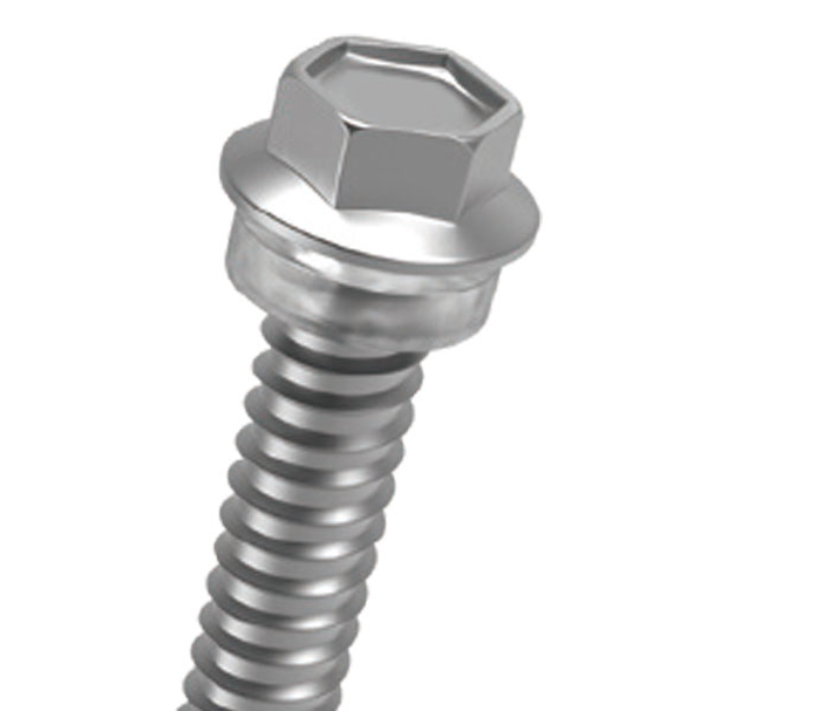
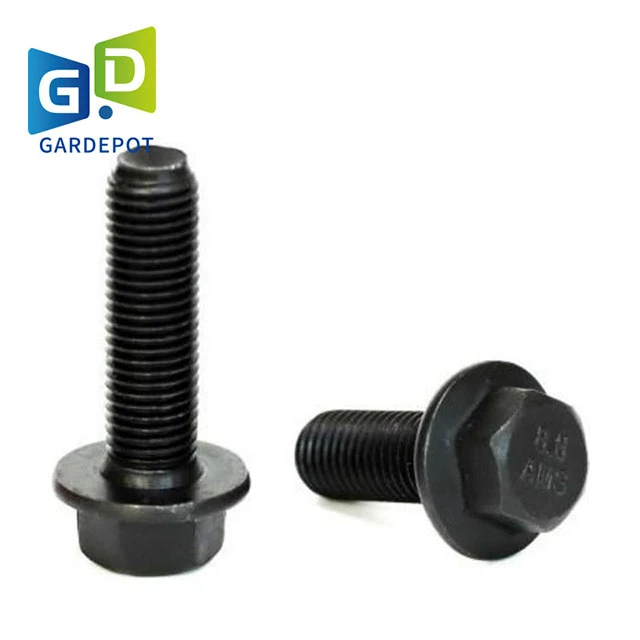
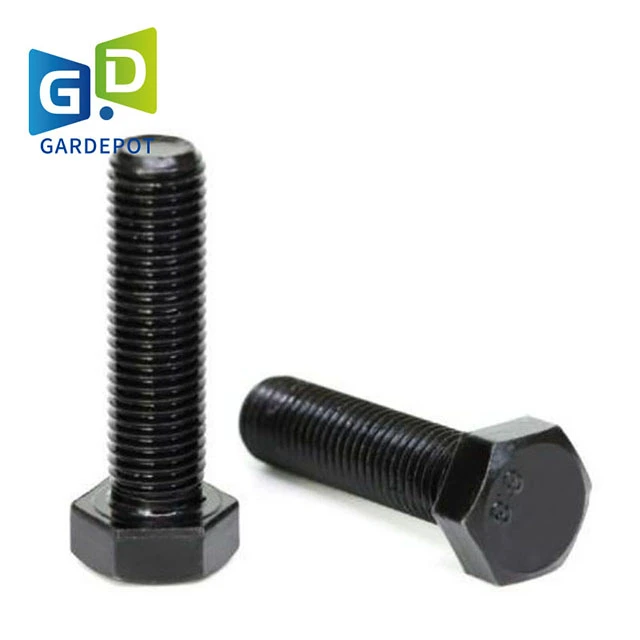
So, what makes this bolt so special? First off, its design. Unlike a regular hex bolt, the hexagon flange bolt has a wide flange under the head that acts like an integrated washer. This design spreads the load evenly over the part being fastened – reducing the chance of damage or loosening under vibration. I remember one project where traditional bolts kept loosening, but switching to flange bolts sorted the problem out pretty quickly, saving both time and frustration.
Material-wise, these bolts often come in grades ranging from carbon steel to stainless steel alloys, depending on the application. The higher grades offer impressive tensile strength, which is crucial in heavy-duty machinery. In colder environments or corrosive atmospheres, opting for stainless steel becomes non-negotiable – odd as it sounds, I witnessed a maintenance team save an entire offshore rig component just by upgrading fasteners to corrosion-resistant bolts.
Testing and quality are not areas to skimp on either. Reliable manufacturers perform torque and tensile testing, fatigue cycles, and sometimes even salt spray resistance tests. It’s the kind of rigor that keeps engineers (like myself) sleeping well at night. Speaking of which, I realized how important certifications and traceability are when a client required custom bolts for food industry equipment — traceability was demanded down to batch numbers.
| Specification | Details |
|---|---|
| Head Style | Hexagon with Integrated Flange |
| Material | Carbon steel, Stainless steel (304, 316) |
| Thread Type | Coarse and Fine Thread options |
| Grade | Grades 8.8, 10.9, 12.9 |
| Finish | Zinc plated, Black oxide, Plain, Hot-dip galvanized |
| Typical Uses | Automotive, Heavy Machinery, Structural Assembly |
Now, if you think all flange bolts are the same, I’ll share a quick comparison that highlights why vendor selection matters. I suppose many people overlook this piece because, honestly, “a bolt is a bolt,” right? Not quite.
| Feature | Vendor A | Vendor B | Vendor C |
|---|---|---|---|
| Material Quality | High-grade stainless steel | Standard carbon steel | Premium alloy, heat treated |
| Certification | ISO 9001, RoHS | None publicly available | ISO 9001, Traceability reports |
| Price | $$$ (mid-range) | $ (budget) | $$$$ (premium) |
| Lead Time | 2 weeks | 1 week | 4 weeks |
| Customization | Available (sizes, finishes) | Limited | Full custom specs possible |
Choosing the right vendor boils down to what your project requires: do you need quick delivery at a tight budget? Vendor B might fit (but watch for quality). Need reliability with certifications? Vendor A offers a solid balance. Or, if you want the best of the best (and cost isn’t a wall), Vendor C comes through, especially with custom orders.
One last thing before wrapping up: I’ve noticed this bolt type shows up often in automotive and structural applications. It's kind of the perfect fit when vibration resistance is key. Honestly, it’s the small details like this flange under the head that make all the difference over time — I guess it just goes to show you that fastening solutions aren't “one size fits all.”
So next time you’re specifying components, consider the humble hexagon flange bolt — it feels like a small investment that pays off quietly but clearly.
References:
- Industrial Fastening Handbook, 2022 Edition
- Material Science for Construction and Manufacturing, 2019
- Personal experience managing assembly lines, 2012-2023