Everything You Need to Know About Hex Nut M8 – Specs, Applications & Vendors
Understanding the Hex Nut M8: A Crucial Component in Modern Industry
If you’ve ever wondered what holds your bike’s wheels or your car’s engine parts in perfect harmony, chances are it's the humble hex nut m8 playing a starring role. In industries spanning construction, automotive, and manufacturing, the hex nut M8 is so common it almost fades into the background—but its significance globally is nothing short of profound. This is a small but mighty fastener that enables durable connections and structural integrity around the world.
Why should we care about this particular size and type of nut? Globally, industries are moving toward greater standardization to simplify manufacturing and maintenance. The M8 hex nut is an ISO-marked hexagonal nut designed for an 8-millimeter bolt, making it a key player in a globalized supply chain. Grasping what makes the hex nut M8 essential helps engineers, procurement specialists, and even hobbyists make smarter decisions when selecting fasteners in terms of quality, compatibility, and cost.
Global Industry Context: The Ubiquity of the Hex Nut M8
According to ISO standards and corroborated by manufacturing reports from the World Bank and global trade data, the M8 size stands out as one of the most requested sizes worldwide. It fits a sweet spot between strength and manageability—big enough to securely fasten machinery but small enough for precision components. In fact, millions of M8 hex nuts are produced every year for sectors ranging from infrastructure projects in Asia to automotive repairs in Europe.
One ongoing challenge is balancing strength with material efficiency. Lightweight structures in aerospace or renewable energy installations rely heavily on reliable fasteners like the hex nut M8 to hold complex assemblies together without adding excess weight. That’s why this seemingly simple component holds key importance in global engineering and humanitarian operations alike.
What is a Hex Nut M8?
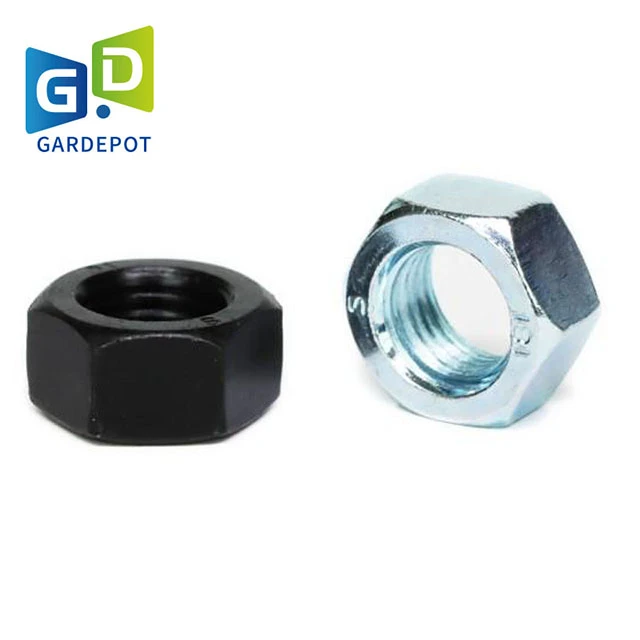
A hex nut M8 is essentially a six-sided nut with an internal thread size designed to mate perfectly with an 8mm diameter metric bolt or screw. The “M” in M8 stands for metric, while “8” denotes the nominal outer diameter of the screw thread in millimeters. It’s one of the most common thread and nut sizes standardized internationally, making it widely available and compatible.
Though straightforward, this fastener links to larger goals: enabling sturdy, quick assembly of structures that uphold safety and function in everything from bridges to relief shelters. Without reliable hex nuts, many engineering feats simply wouldn’t hold together.
Key Components That Make Hex Nut M8 So Practical
- Durability: Typically made from steel or stainless steel, hex nut M8s offer high tensile strength and resistance to corrosion. This means longer-lasting joints, especially in harsh environments.
- Scalability: Their standardized thread size allows seamless substitutions across sectors—from small machinery repairs to large equipment assembly.
- Cost Efficiency: Mass production and standardized designs help keep prices affordable. Additionally, they reduce the risk of incompatible parts that can drive up maintenance costs.
- Ease of Use: The six-sided design provides multiple views for wrenches or spanners to grip, allowing quicker installation and removal.
- Versatility: Available in various materials and finishes, these nuts can adapt to specific needs such as high-temperature resistance or anti-corrosion for marine use.
Mini takeaway: The hex nut M8’s blend of durability, efficiency, and universality makes it indispensable in many fields.
Product Specification Table: Typical Hex Nut M8
| Specification | Detail |
|---|---|
| Thread Diameter | 8 mm |
| Pitch (Standard) | 1.25 mm |
| Width Across Flats | 13 mm |
| Material | Grade 8 Steel, Stainless Steel Options |
| Finish | Zinc-Plated, Black Oxide, Plain |
| Standard | ISO 4032 |
Global Applications & Use Cases of the Hex Nut M8
We see the hex nut M8 ubiquitously applied across continents and industries. In Europe and North America, automotive manufacturers rely on M8 nuts for engine components as well as chassis assembly. Asian construction sectors use them in scaffolding and prefabricated buildings, often responding to rapid urbanization needs. Oddly enough, in humanitarian disaster zones, these nuts feature in emergency shelter assembly kits—organizations like UNICEF and the Red Cross specify these due to ease of transport and assembly.
In industrial zones of Africa and South America, where maintenance resources can be limited, the availability of standardized nuts like the hex nut M8 helps local technicians perform repairs efficiently without special orders. Even electronics assembly sometimes employs smaller M8 size derivatives, tailored with fine threads for equipment enclosures.
Mini takeaway: Its broad usability means sourcing and replacement are simple, aiding global infrastructure resilience.
Advantages & Long-Term Value
- Cost Savings: Affordable production and widespread availability reduce downtime and inventory costs.
- Sustainability: High-quality materials extend the lifecycle of assemblies, reducing waste.
- Reliability: The strong mechanical connection supports safety in critical applications like bridges and transport.
- Social Impact: Facilitates rapid construction in emergency situations, restoring dignity and safety to displaced communities.
- Emotional Trust: Engineers and workers know they can depend on these nuts—small confidence boosts that matter on-site.
Vendor Comparison Table: Popular Hex Nut M8 Suppliers
| Supplier | Material Options | Price Range (per 100) | Lead Time | Region |
|---|---|---|---|---|
| FastenPro | Grade 8 Steel, Zinc-Plated | $15 - $20 | 3-5 days | North America |
| NutMasters | Stainless Steel, Black Oxide | $18 - $25 | 5-7 days | Europe |
| GlobalFix | Carbon Steel, Zinc-Plated | $12 - $18 | 7-10 days | Asia-Pacific |
Future Trends & Innovations
The future for the hex nut M8 looks grounded yet dynamic. Advancements like coatings with nano-ceramics promise higher corrosion resistance suitable for harsh marine environments or green infrastructure. Digital transformation in supply chain management will allow real-time tracking of quality and origin, upping reliability for critical businesses.
We’re also beginning to see additive manufacturing (3D printing) tweak small batch customizations, where specific thread pitches or materials can be quickly adjusted without high setup costs. Sustainability efforts mean more suppliers are exploring recycled steel for hex nuts without losing strength. It’s a quiet revolution happening in fasteners.
Challenges & Solutions
Common challenges with hex nuts M8 include thread stripping, corrosion in aggressive environments, and fit issues when counterfeit or non-standard parts enter the supply chain. Experts recommend always sourcing from certified manufacturers and performing torque tests during assembly.
Innovative solutions such as thread-locking adhesives and surface treatments help prevent loosening under vibration. Meanwhile, education about international standards (like ISO 4032) helps engineers avoid costly failures. Checking batch certification certificates adds another layer of trust, especially for critical infrastructure.
Frequently Asked Questions About Hex Nut M8
- What materials are best for hex nut M8 in outdoor construction?
Stainless steel or zinc-plated steel nuts perform best outdoors due to their resistance to rust and corrosion, making them ideal for exposure to weather. - Can hex nut M8 be reused after disassembly?
It depends on condition; typically, if threads remain intact and no deformation occurred, reuse is safe. However, for critical applications, fresh fasteners are recommended. - How is an M8 hex nut different from an M8 nylock nut?
The standard hex nut lacks the nylon insert that holds fast under vibration, which is present in a nylock nut. Nylock nuts prevent loosening but aren’t always necessary. - What tools are best for tightening hex nut M8?
Wrenches with a 13mm opening or adjustable spanners fit the hex nut flats perfectly for effective torque application.
Conclusion
In real terms, the hex nut M8 might be small, but it plays an outsized role across industries worldwide. Its standardization, reliability, and flexibility make it a staple in fastener technology that engineering teams trust day in and day out. Whether you’re building a bridge, repairing machinery, or assembling emergency shelters, this nut quietly holds it all together. Curious to find the perfect hex nut M8 for your project? Visit our website at https://www.gardepota.com for expert-selected products and support.
It’s funny how something so “nuts and bolts” can impact so much.
References: