Hexagon Nuts: Essential Fasteners for Global Industry and Applications
Understanding Hexagon Nuts: Essential Fasteners for Global Industry
At first glance, hexagon nuts might seem like minor players in the vast world of hardware. But frankly, these six-sided fasteners hold a pivotal role across industries worldwide. From towering skyscrapers to delicate electronics, they ensure stability and safety. Knowing what makes a solid hexagon nut—and why they matter globally—can provide surprising insights into manufacturing, construction, and even disaster relief efforts.
Hexagon Nuts in a Global Context: Why They Matter
Hexagon nuts are one of the most common types of nuts used with bolts and screws, designed with six sides for easy wrench grip. Globally, they underpin everything from automotive production to energy infrastructure. According to ISO standards, fasteners like these support trillions of dollars in infrastructure worldwide. Oddly enough, while some may dismiss them as mere connectors, their failure can jeopardize safety, costing both lives and billions in repairs.
Consider the challenge of rapid industrialization in emerging economies. These countries demand robust, reliable fasteners that balance cost with performance. Poor-quality hexagon nuts can lead to equipment failures, downtime, and inefficiencies. Thus, understanding their design and properties contributes directly to safer, more efficient global supply chains.
What Exactly Are Hexagon Nuts?
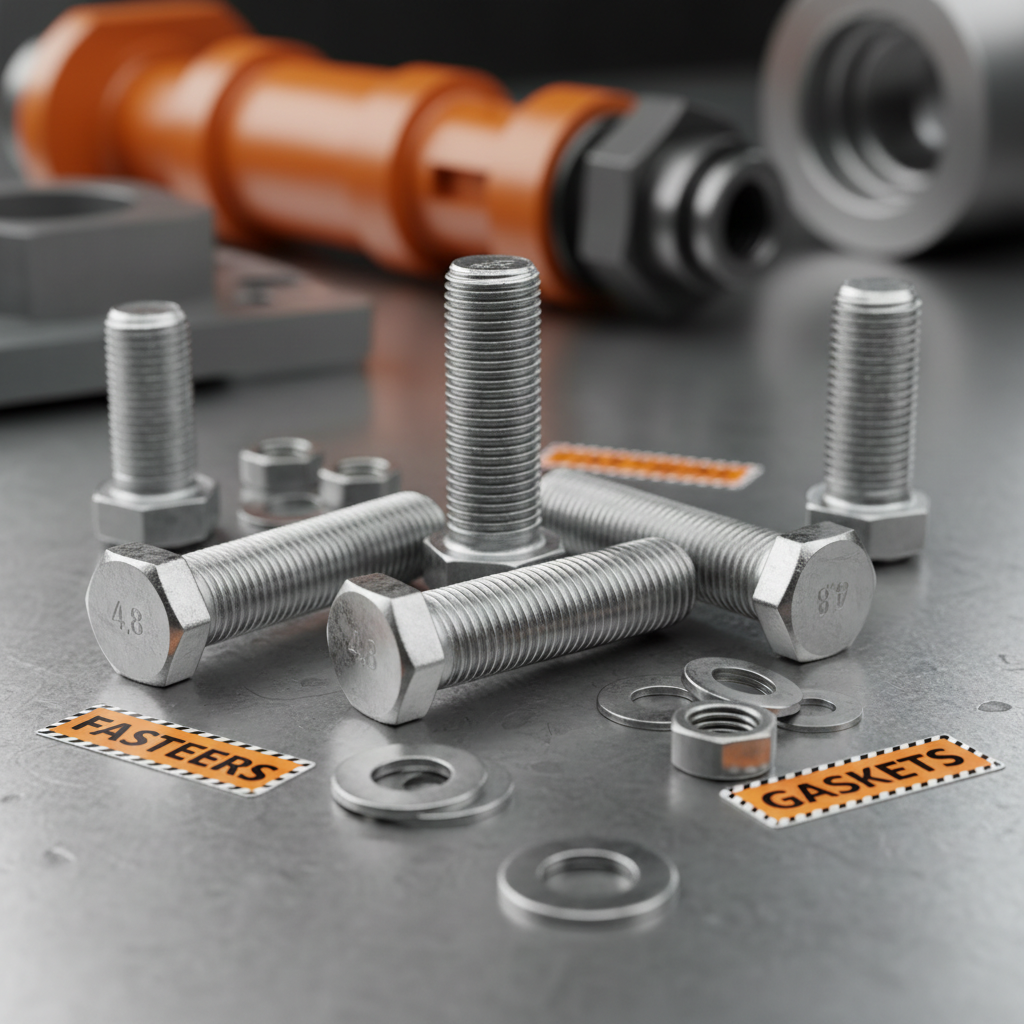
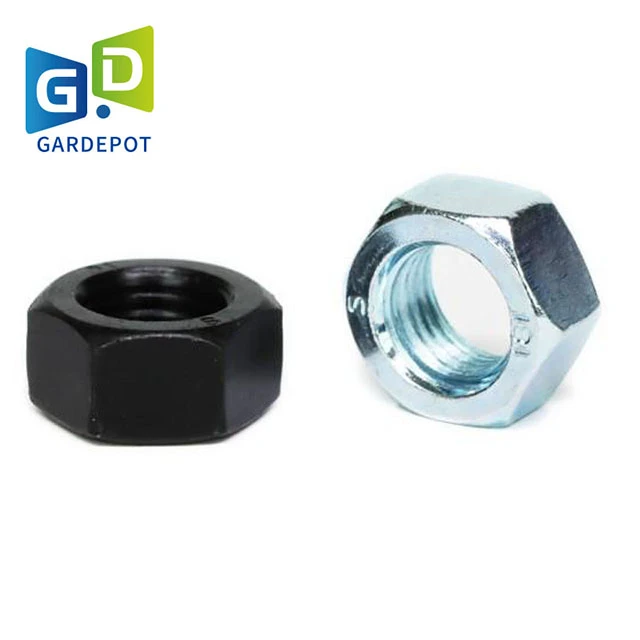
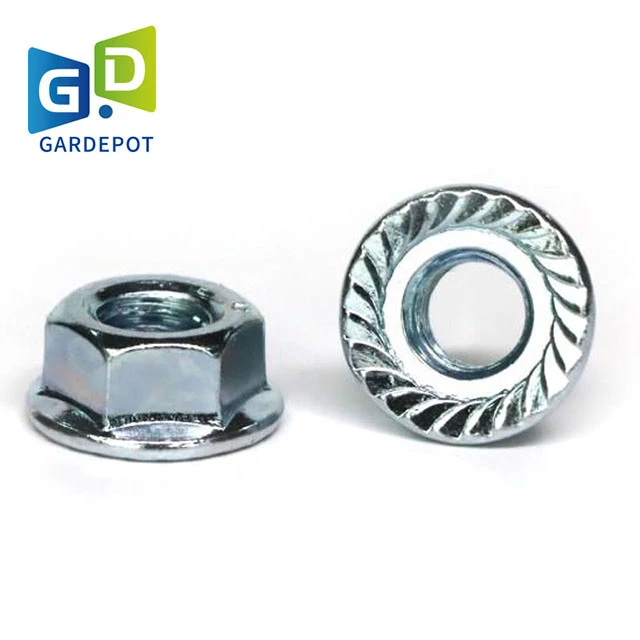
In simple terms, a hexagon nut is a fastener with six sides, typically paired with a bolt to hold parts together. The six angles allow standard tools to tighten or loosen them with greater torque control compared to nuts with fewer sides. Their ubiquitous use spans everything from assembling machinery to securing bridges.
Modern industry relies on these nuts not just for mechanical strength but also for ease of maintenance. Interestingly, when humanitarian organizations deploy temporary infrastructure after disasters, hexagon nuts assist in quickly securing modular housing or equipment — underscoring their role beyond typical factory settings.
Key Factors Influencing Hexagon Nuts’ Effectiveness
1. Durability & Material Composition
Hexagon nuts often come in carbon steel, stainless steel, or alloy steel. The choice of material affects rust resistance, strength, and longevity. For example, stainless steel nuts are favored in coastal regions because they withstand salt corrosion better.
2. Standards & Certification
Compliance with international standards (ISO 4032, ASTM A194, etc.) ensures consistent quality. This is critical for manufacturers and engineers aiming for high reliability in critical projects.
3. Thread Precision
Threads must match bolt specifications exactly to prevent loosening under vibration. Fine threads are common in precision equipment, while coarse threads work well for heavy-duty applications.
4. Coatings & Finishes
Galvanized or zinc-plated hex nuts extend corrosion resistance. Special coatings can even provide electrical insulation or extra hardness for extreme environments.
5. Size & Load-Bearing Capacity
From tiny M2 nuts in electronics to massive M64 nuts in construction cranes, sizes vary dramatically. Engineers select nuts based on expected load and environmental conditions.
Product Specification Table: Typical Hexagon Nut Overview
| Specification | Details |
|---|---|
| Material | Carbon Steel, Stainless Steel, Alloy Steel |
| Standards | ISO 4032, DIN 934, ASTM A194 |
| Surface Finish | Galvanized, Zinc Plated, Black Oxide |
| Sizes | M2 to M64 (metric) and equivalent imperial sizes |
| Typical Tensile Strength | 4.8 to 12.9 Grade (varies by material) |
Global Applications and Use Cases
Hexagon nuts are literally everywhere. In Asia’s sprawling manufacturing hubs, they keep assembly lines humming. European wind farms rely heavily on stainless steel hex nuts to withstand harsh climates while supporting green energy initiatives. Oddly enough, you’ll also find these nuts in remote mining outposts in Africa, where durability and quick maintenance are crucial.
In post-disaster relief, modular shelters and critical equipment use hexagon nuts because they’re easy to source and install. And in the automotive sector? Cars, trucks, and even electric vehicles depend heavily on these fasteners to maintain structural integrity and safety under high stresses.
Vendor Comparison Table: Popular Hexagon Nut Manufacturers
| Vendor | Material Range | Certifications | Typical Lead Times |
|---|---|---|---|
| FastenCo | Carbon & Stainless Steel | ISO 9001, ASTM | 2-4 weeks |
| NutWorks | Alloy Steel, Specialty Coatings | ISO 4032, RoHS | 3-5 weeks |
| SteelFix | Stainless Steel, Galvanized | DIN 934, CE Mark | 1-3 weeks |
Advantages and Long-Term Value of Hexagon Nuts
The benefits of hexagon nuts go beyond just mechanical strength. Cost-wise, they offer good value given their durability and ease of installation. From a sustainability perspective, stainless steel hex nuts are recyclable, helping industries reduce waste.
On an emotional level, workers and engineers often emphasize trust and safety. Knowing a structure is secured by reliable nuts can provide peace of mind — literally life-saving in some contexts. Innovations in coatings and materials also boost resistance to environmental wear, extending service life, which adds economic sense.
Future Trends and Innovations
The fastener industry is quietly embracing trends like automation in manufacturing and smart materials. I suppose you’d be surprised to learn some hex nuts now come with embedded sensors that monitor tension in real time. Add to this advances in biodegradable coatings and greener production methods, and you glimpse a future where even such a humble component contributes to digital transformations and sustainability goals.
Challenges & Solutions in Use of Hexagon Nuts
Despite their simplicity, hex nuts face challenges like thread stripping, loosening under vibration, and corrosion in harsh environments. Engineers combat these issues through design tweaks — like nylon insert lock nuts or advanced plating. Proper storage and standardized procurement practices also help reduce failures, especially in critical infrastructure projects.
FAQ: Frequently Asked Questions About Hexagon Nuts
- Q: How do I choose the right hexagon nut size for my project?
A: Match the nut size and thread pitch exactly to the corresponding bolt. Consider load requirements and environmental conditions for material choice. - Q: Are stainless steel hex nuts suitable for outdoor marine applications?
A: Yes, stainless steel offers excellent corrosion resistance, but for saltwater exposure, marine-grade options like 316 stainless are preferable. - Q: Can hexagon nuts be reused after removal?
A: Generally, yes, if threads are intact and not stretched or damaged. However, lock nuts or those exposed to high stress might require replacement. - Q: What coatings extend hex nut life in industrial settings?
A: Zinc plating and hot-dip galvanizing are common. Specialized coatings offer extra resistance to chemicals or high temperatures.
In Conclusion
While hexagon nuts might seem small and mundane, their role is indispensable globally — ensuring safety, durability, and functionality across industries. For anyone interested in reliable fastening solutions, understanding these fasteners is truly worthwhile. To explore a wide range of quality hexagon nuts for your needs, don’t hesitate to visit our website: hexagon nuts.
Ultimately, these simple six-sided nuts quietly support much of modern infrastructure — a subtle reminder that sometimes, small components make all the difference.
Reference takeaway: In real terms, a solid hexagon nut equals long-term safety and cost savings.