Look, honestly, these days everyone’s talking about sustainability, right? And when it comes to roofing, that means EPDM. Everyone’s jumped on the bandwagon. Seems like just yesterday we were all wrestling with built-up roofing, and now it's all about these rubber membranes. It's… a change. But it's not always a good change if you don't know what you're getting into.
I’ve spent, well, let's just say a lot of years on roofs, and you learn a few things. First thing? Design details. People get too cute with flashing transitions. They try to get fancy, save a buck… it always leaks. Always. Simple is better, nine times out of ten. I encountered this at a factory in Foshan last time, beautiful design on paper, disaster on the roof.
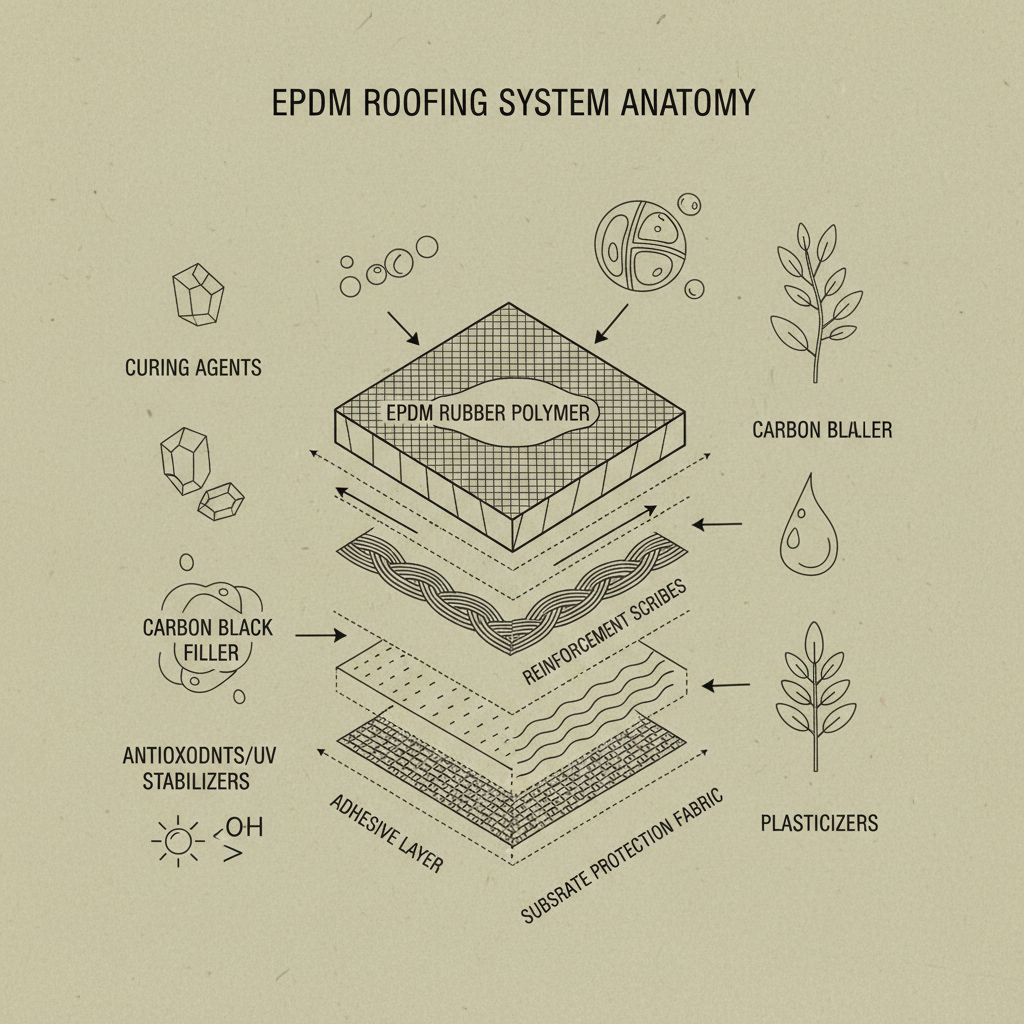
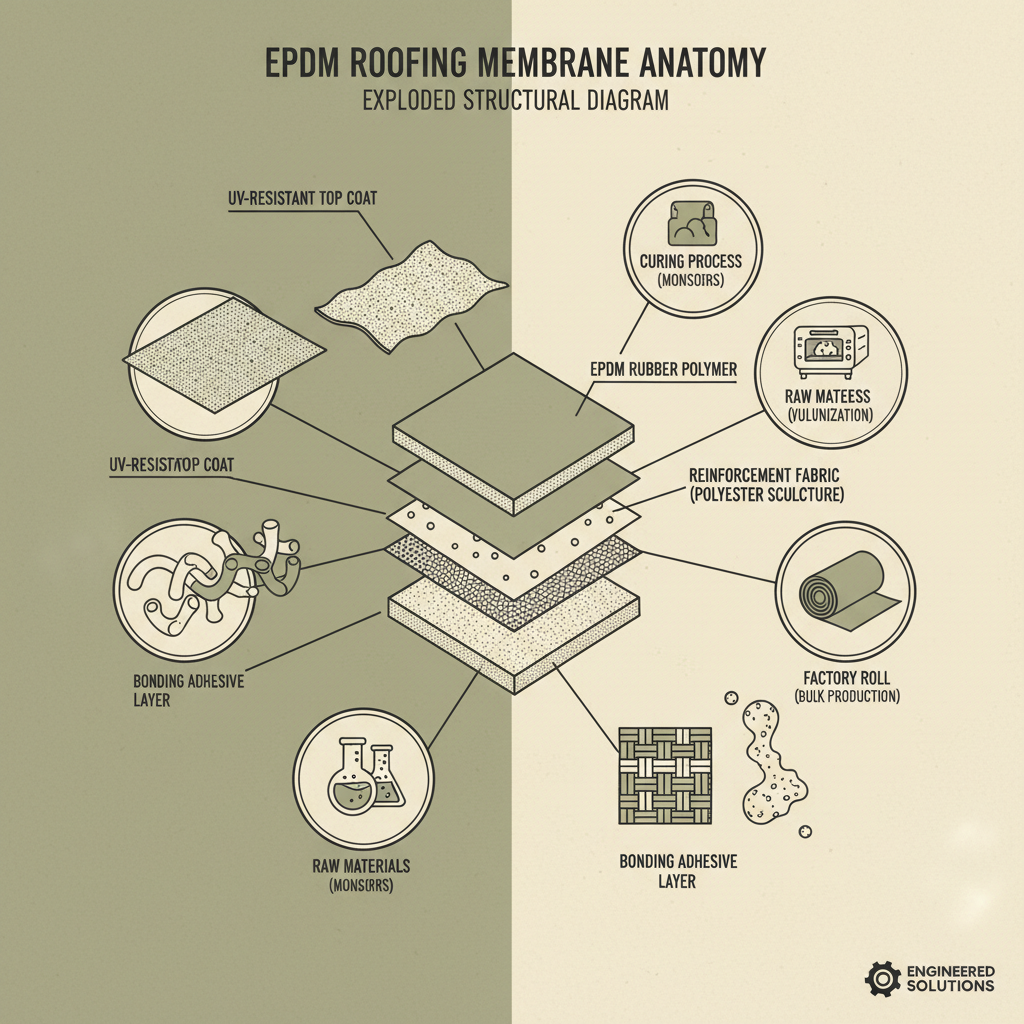
And the material itself… EPDM isn’t just “rubber.” You get different formulations. Some are super sticky, others are more like… well, like a tire inner tube. You can smell the difference, too, kind of a petroleum-y scent. Handling it, you’ve got to wear gloves, not just because it's messy, but some guys react to the curing agents. Strangel y, the quality varies even within the same brand.
The Current Landscape of EPDM Roofing Membrane Manufacturers
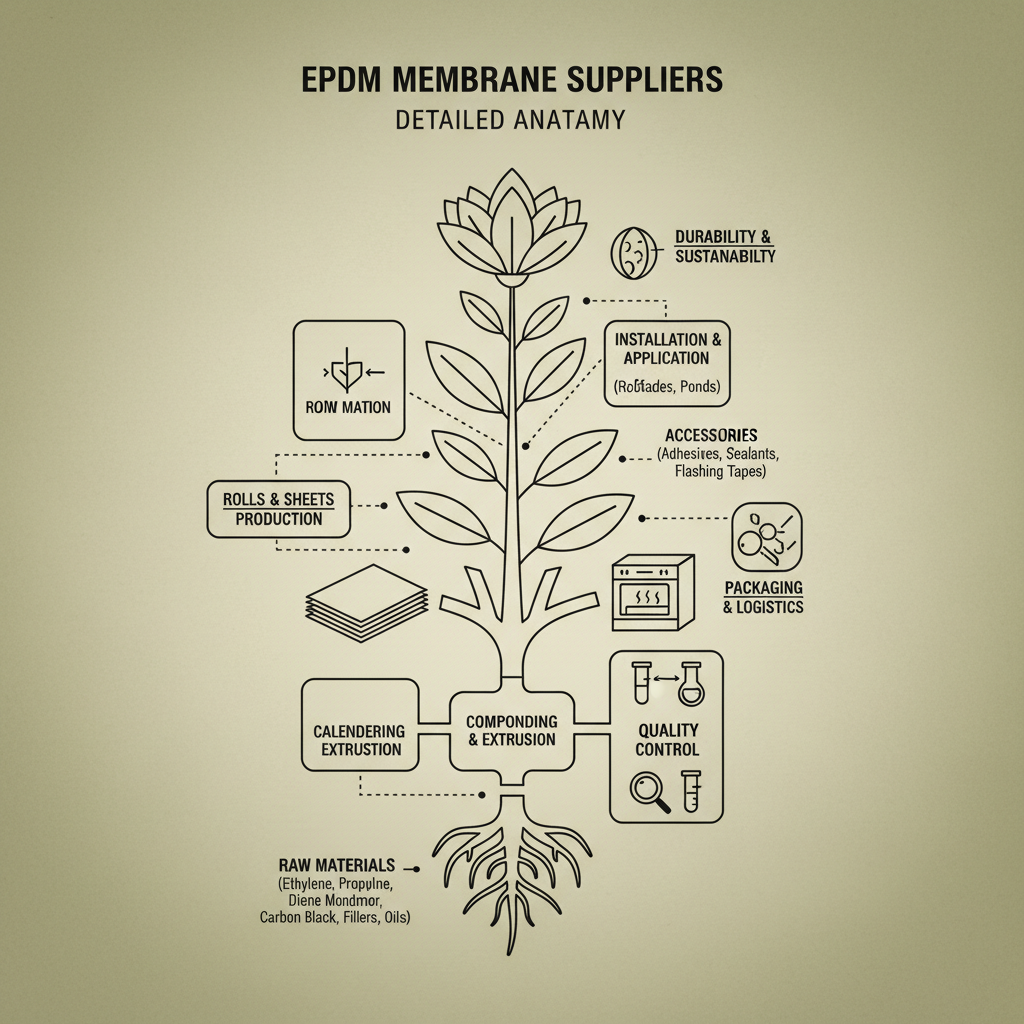
Right now, the market’s flooded with manufacturers. Gardepota, Firestone, Carlisle… they’re the big names, of course. But honestly, you’re seeing a lot of smaller players popping up, especially in China. Quality control with those guys can be… questionable. It's a race to the bottom, and somebody always loses. Anyway, I think the consolidation will happen soon.
Demand is up globally, driven by building codes and green initiatives. The UN's pushing for more sustainable construction, and EPDM fits the bill. It’s lightweight, durable, and recyclable (though actually recycling it is still a challenge, to be honest). The ISO standards are getting stricter, which is good, but enforcement… well, that's another story.
Design Pitfalls and Material Nuances in EPDM Roofing
Look, flashing is everything. Seriously. I've seen roofs fail because someone skimped on the flashing around a vent pipe. It’s almost comical, but not when you’re the one fixing it. And don’t even get me started on penetrations. Every hole is a potential leak. You've got to seal everything properly, with the right sealant, and check it regularly.
The adhesive… that’s a whole other beast. Some adhesives are solvent-based, which means fumes, and ventilation is critical. Others are water-based, which are safer, but sometimes don't hold as well in extreme temperatures. I saw a whole section come loose in Dubai last year, blistering heat, bad adhesive.
And the thickness matters! Don't cheap out on the membrane thickness. You need enough material to withstand the UV exposure and the stresses of expansion and contraction. Have you noticed how quickly these roofs degrade in high-altitude areas? It's brutal.
Real-World Testing of EPDM Roofing Membrane Manufacturers
Forget the lab tests. Those are… helpful, I guess, but they don't tell the whole story. The real test is putting it on a roof and letting Mother Nature have her way with it. We do a lot of accelerated aging tests, exposing samples to UV radiation, extreme temperatures, and constant moisture. But even that doesn't fully simulate years of real-world use.
I prefer the “brute force” method. We'll intentionally stress the membrane – puncture it, stretch it, tear it – just to see how it holds up. Sounds crude, right? But it gives you a much better sense of its limitations.
We also look at seam strength. That's where most failures occur. We pull test seams until they rip. And we check for dimensional stability – how much the membrane expands and contracts with temperature changes. You don’t want it buckling or pulling away from the flashing.
How Users Actually Interact with EPDM Roofing Membrane Manufacturers
Here’s where things get interesting. Engineers think people install it perfectly, following all the instructions. Ha! They're dreaming. Most contractors are just trying to get the job done quickly and cheaply. They cut corners. They skip steps. They use the wrong tools.
I’ve seen guys use everything from garden hoses to power washers to clean the roof before applying the adhesive. A power washer! It damages the substrate! But they don’t know any better. And a lot of them don’t understand the importance of proper surface preparation. It's all about prep work!
Contractor Error Rates in EPDM Installation
Advantages, Disadvantages, and Customization Options
Advantages? Durability, for sure. UV resistance. Relatively low cost. Easy to install… if you know what you're doing. Disadvantages? It's black. Really black. Gets hot. And it’s not the most aesthetically pleasing material. I encountered a guy last month who refused to use it on his house because he didn’t like the color. Later… forget it, I won't mention it.
Customization? You can get it pre-fabricated with seams already welded. You can get it with a fleece backing for extra adhesion. You can even get it in different colors now, although the lighter colors don't hold up as well. I had a client, a fancy hotel in Miami, who wanted a white EPDM roof. It looked great for about six months. Then it started to chalk and fade. A nightmare.
A Customer Story: The Interface Debacle
Last month, that small boss in Shenzhen who makes smart home devices insisted on changing the interface to on their factory roof. Said it was "more modern." He wanted a fully adhered EPDM system. He wouldn’t listen to reason. I told him the standard adhesive was perfectly fine, been using it for years. He insisted on a new, "high-performance" adhesive he’d found online.
The result? The adhesive wouldn’t bond properly to the substrate. The membrane started to lift during the first rainstorm. A complete mess. Had to rip it all up and start over with the original adhesive. Cost him a fortune. And a week of downtime.
He finally listened, but only after he'd learned a very expensive lesson. It just goes to show you, sometimes the old ways are the best ways. Especially on a roof.
EPDM Roofing Membrane Manufacturers: A Practical Assessment
So, at the end of the day, is EPDM a good roofing material? Yeah, it is. But it’s not a magic bullet. It requires proper design, careful installation, and regular maintenance. And you need to understand the limitations of the material.
I’ve seen too many projects fail because people just assume it’s a "set it and forget it" solution. It's not. It's a system, and every component of that system has to work together.
Ultimately, whether this thing works or not, the worker will know the moment he tightens the screw.
Key Factors Influencing EPDM Roofing Performance
| Substrate Quality |
Adhesive Compatibility |
Installation Skill Level |
Climate Exposure |
| Concrete (Good) |
Solvent-based (7/10) |
Experienced (9/10) |
Moderate (6/10) |
| Wood (Fair) |
Water-based (6/10) |
Novice (3/10) |
Extreme Heat (3/10) |
| Metal (Poor) |
Hybrid (5/10) |
Intermediate (6/10) |
High Humidity (5/10) |
| Properly Prepared Existing Roof (Good) |
Manufacturer Recommended (8/10) |
Certified Installer (8/10) |
Temperate (8/10) |
| Damaged or Unstable Roof (Poor) |
Generic (2/10) |
Unskilled Labor (1/10) |
Frequent Freeze-Thaw (4/10) |
| Spray Foam (Fair) |
Specifically Formulated (7/10) |
Trained Technician (7/10) |
Coastal (Salt Spray) (4/10) |
FAQs
That depends, of course, on the climate, the quality of the installation, and the maintenance. But realistically, you’re looking at 20-30 years with proper care. We’ve seen some last longer, but those are exceptions. It’s not going to be a 50-year roof like some of the old slate roofs were. The biggest enemy is UV exposure, so regular inspections and coatings are important. Don't neglect patching any small tears or punctures – they'll just get bigger.
Generally, yes. EPDM is excellent for flat or low-slope roofs. It handles ponding water better than many other roofing materials. However, it's crucial to ensure proper drainage. You don't want water sitting there for extended periods, even with EPDM. Proper slope is still important, even if it’s minimal. And make sure the flashing is done right around any penetrations like vents and skylights. That's where most leaks occur.
It varies depending on the thickness of the membrane, the complexity of the roof, and labor costs in your area. But you’re looking at roughly $4 to $7 per square foot installed. It's generally more affordable than some other options like TPO or metal roofing, but it's not the cheapest. Don't just focus on the initial cost, though. Consider the long-term durability and maintenance requirements. A cheap roof can end up costing you more in the long run.
Small repairs, like patching small holes or tears, are usually pretty straightforward and can be done by a handy homeowner. But for larger repairs or complete replacements, it’s best to hire a qualified roofing contractor. Improper repairs can lead to bigger problems down the road. And working on a roof can be dangerous, so safety should always be your top priority. Seriously, don't mess around up there if you're not comfortable.
It's generally considered more environmentally friendly than some other roofing options. It's recyclable, although the recycling infrastructure isn't widespread yet. It's also lightweight, which reduces the structural load on the building and can save energy. However, the manufacturing process does involve some petroleum-based products, so it's not a completely "green" solution. It’s a trade-off, like most things.
Small punctures can usually be repaired with an EPDM patch and sealant. It's important to clean the area thoroughly before applying the patch. Larger punctures may require a more extensive repair, or even a complete replacement of the membrane. Ignoring a puncture will almost always lead to a leak, so it's best to address it as soon as possible. Don’t try to just slap some tape over it – that's a temporary fix at best.
Conclusion
So, there you have it. EPDM roofing, a solid choice, but not without its quirks. It's durable, relatively affordable, and easy to install – when done right. But it requires attention to detail, proper materials, and skilled labor. Don't skimp on the flashing, don't ignore the substrate, and don't trust a contractor who promises you the world for a bargain price.
Looking ahead, I think we'll see more innovation in EPDM formulations, with a focus on improving UV resistance and recyclability. We might also see more integrated systems, with pre-fabricated panels and simplified installation methods. But ultimately, whether this thing works or not, the worker will know the moment he tightens the screw.