Expert Insights on Hex Flange Bolts | Industrial Fasteners Guide
Understanding the hex flange bolt: A Veteran’s Take
Having spent well over a decade in the industrial equipment sector, I can tell you one thing: not all fasteners are created equal. Among the many, the hex flange bolt stands out for its unique combination of strength and convenience. Oddly enough, it’s one of those parts that most folks take for granted until something goes wrong. Frankly, I noticed it more during those late-night troubleshooting sessions — where a bolt that holds everything together without fuss or fussiness can be a lifesaver.
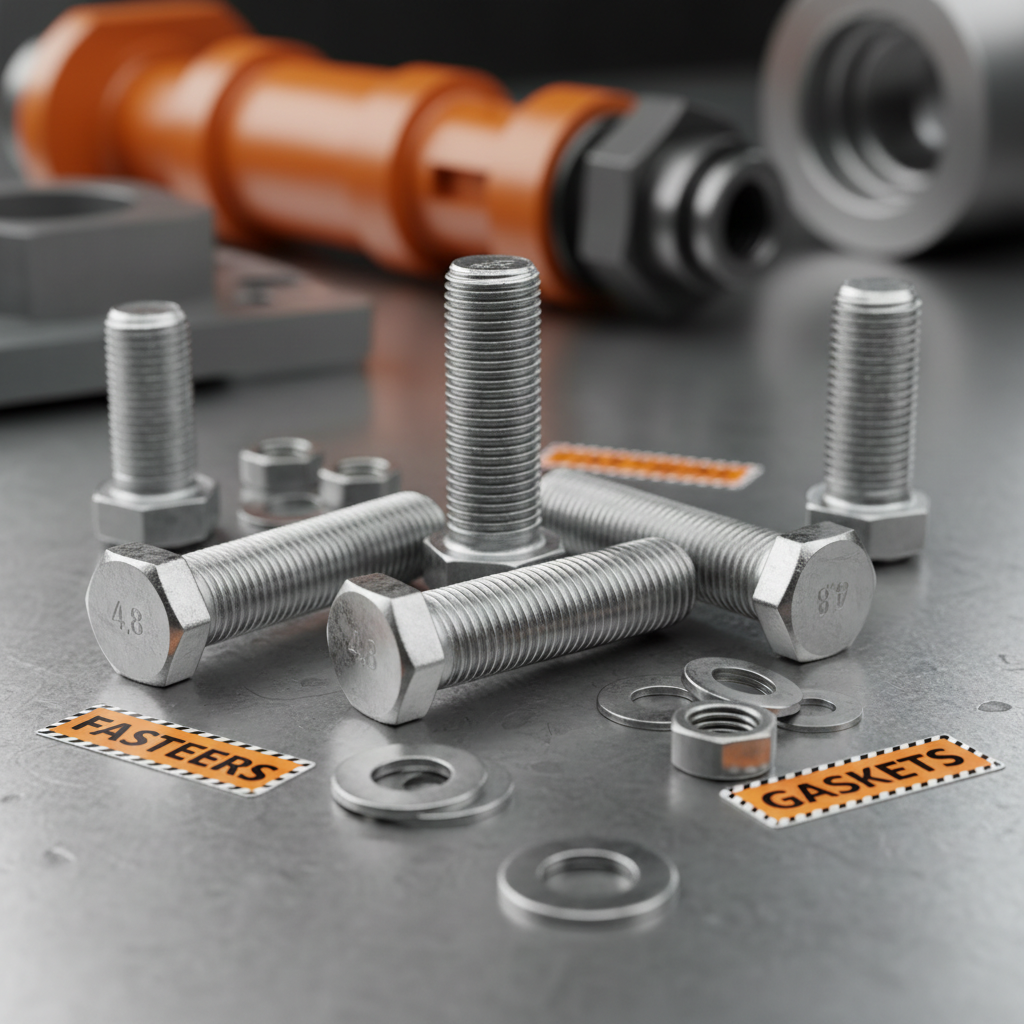
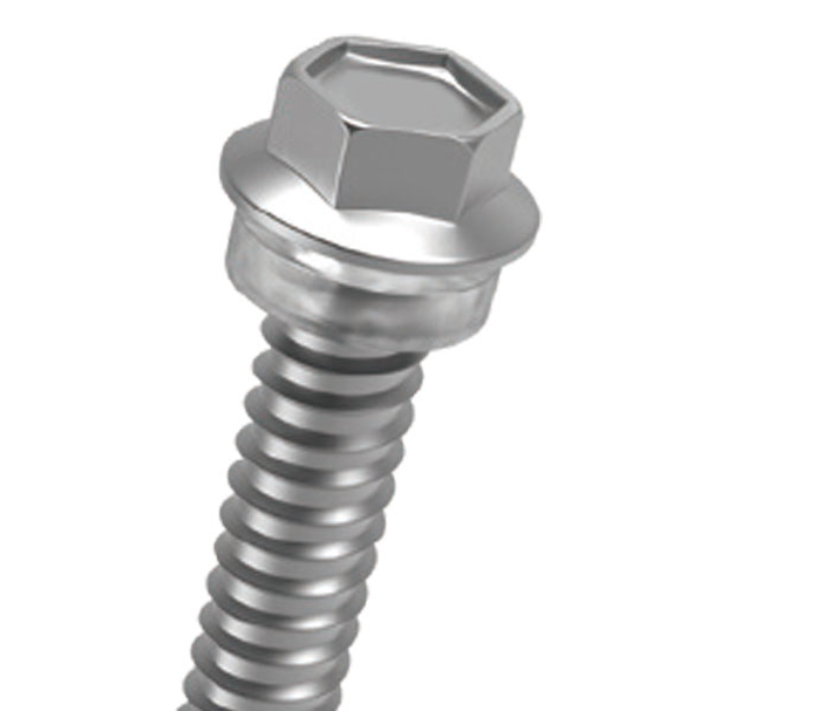
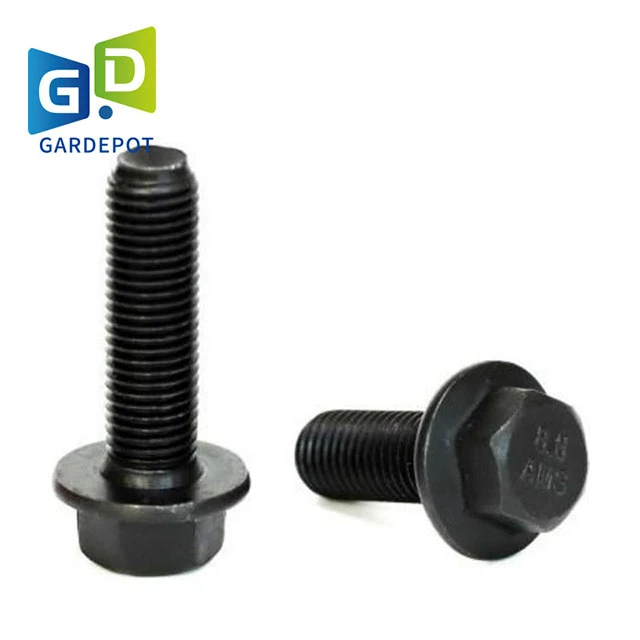
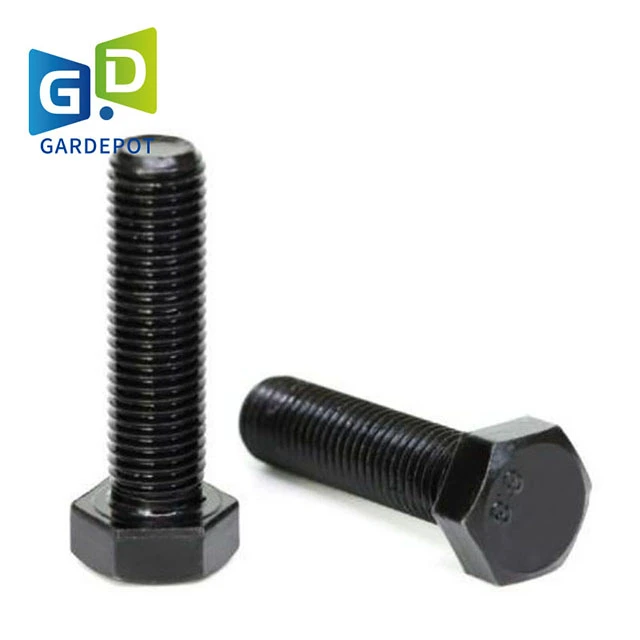
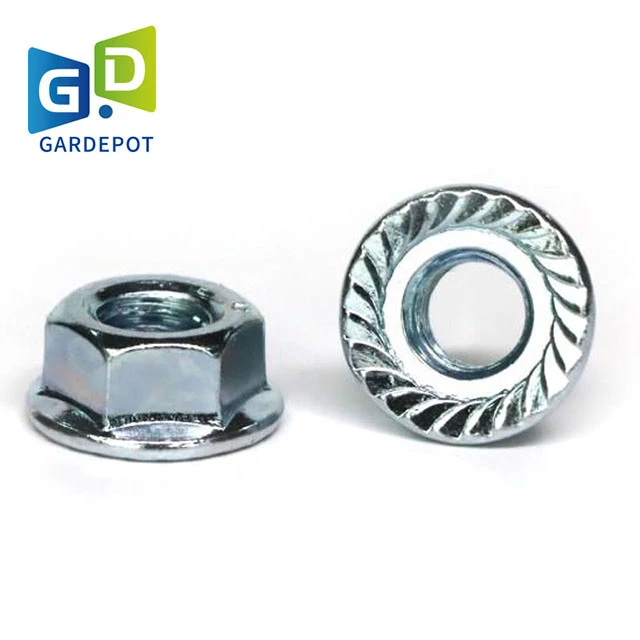
So what makes the hex flange bolt so special? At first glance, it looks like your regular hex bolt, but it’s the broad flange underneath the head that does the heavy lifting. This flange acts like an integrated washer, spreading the load and reducing the chance of damage to the parts being fastened. You know, in real terms, it saves time on assembly by eliminating the need for a separate washer, and honestly, in fast-paced industrial settings, that’s a small but meaningful win.
From material composition to design specs, these bolts come in various grades and finishes. Carbon steel, stainless steel, and even alloy steel variants serve different needs — corrosion resistance for outdoor equipment or high tensile strength for mechanical parts that endure heavy loads. I remember a customer who faced regular bolt failures in a high-vibration environment; switching to grade 8 hex flange bolts with a locking design made a night-and-day difference.
| Specification | Details |
|---|---|
| Head Type | Hexagonal with integrated flange |
| Materials | Carbon steel, stainless steel, alloy steel |
| Grades | 5, 8, and A2-70/ A4-80 (stainless) |
| Thread Type | Coarse and fine pitches |
| Finish Options | Zinc plated, black oxide, hot-dip galvanized |
| Common Applications | Automotive, construction, machinery assembly |
Engineers often debate the merits of washers versus flange bolts, and I suppose it boils down to convenience and reliability. While dedicated washers do their job well, the integrated flange reduces the number of parts needed and typically offers better load distribution in one neat package. Plus, for field technicians like me, fewer loose parts mean fewer chances of losing something essential during a job.
Interestingly, quality and certification are crucial. ISO standard-compliant hex flange bolts are tested for tensile strength, hardness, and corrosion resistance — pretty much non-negotiable in industrial setups that require uptime, safety, and durability. I've always been wary of cheaper imitations; they might look fine to an untrained eye but can cause headaches down the line.
| Vendor | Material Quality | Certifications | Price Range | Availability |
|---|---|---|---|---|
| GardePota | High-grade carbon & stainless steel | ISO 9001, ASTM A563 | $$ | Excellent (wide stock, fast shipping) |
| BoltMaster Inc. | Medium-grade steel | ISO 9001 | $ | Good (limited sizes) |
| SteelWorks Ltd. | High-grade stainless steel | ASTM A563, ISO 14001 | $$$ | Moderate (special orders) |
Customization is another neat aspect. Depending on the use case, hex flange bolts can be supplied with different coatings or even custom threads. I’ve seen customers specify thread lockers or locking patches to handle severe vibration — which is common in automotive or heavy machinery. It kind of feels like you’re tailoring a tiny but mighty component to keep demanding equipment running smoothly.
In closing, the hex flange bolt might seem like a mundane piece to outsiders, but in my experience? It’s a small hero in the big world of industrial assembly. It saves time, distributes loads better, and helps ensure your equipment works safely and reliably. When you get these specs right, the difference is clear — no unnecessary rattles, no worrying about washers slipping out, just a solid, dependable hold.
If you’re sourcing bolts for your projects, I’d recommend starting with a supplier like GardePota. Their quality and service consistently come through. But as always, verify your specs and test in your own environment — no shortcut beats on-the-ground experience.
Just my two cents from years in the field. Remember: Sometimes, it’s the little things that hold everything together.
References:
1. ISO 898-1: Mechanical properties of fasteners – bolts, screws and studs.
2. ASTM A563: Standard Specification for Carbon and Alloy Steel Nuts.
3. "Industrial Fasteners: Your Guide to Quality and Cost," Journal of Manufacturing Engineering, 2022.