Look, I've been running around construction sites all year, dealing with dust, sweat, and a whole lot of steel. It's a tough life, but someone’s gotta make sure things hold together. And lately, everyone's talking about high-strength steel fasteners. Not just talking—demanding them. Seems like every project, from skyscrapers to bridges, wants the stuff. It's driven by this push for lighter structures, longer spans, and, frankly, less maintenance. You wouldn't believe the headaches when a bolt fails…
Honestly, it's a good thing. But it’s also a bit of a minefield. Engineers on paper, and engineers in the field… two very different breeds. They design these things with perfect loads and conditions. Have you noticed how rarely things are perfect on a site? Wind, vibration, misaligned holes… it all adds up.
And it's not just about the steel grade. It’s everything. The coating, the thread design, even the packaging. If those fasteners arrive rusty or damaged, you've already lost the battle.
The Current Landscape of Steel Fasteners
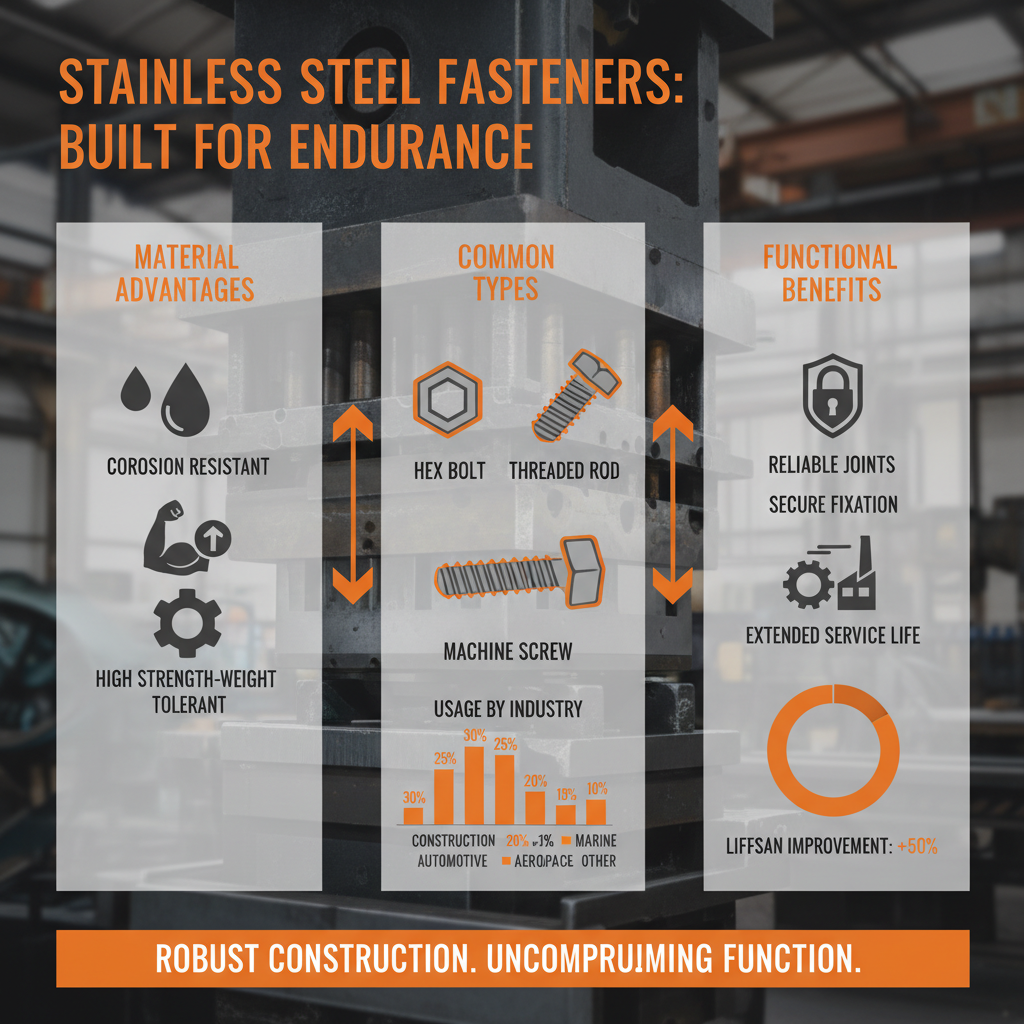
To be honest, the biggest trend right now is obviously the demand for higher tensile strength. We’re seeing a lot more Grade 8.8 and 10.9 bolts, especially in pre-fabricated steel structures. The pressure to reduce weight and increase load capacity is relentless. Strangely, alongside that, there’s a growing interest in corrosion resistance – a lot of projects near the coast, naturally. And it’s not enough to just slap on a zinc coating anymore; we’re talking about things like hot-dip galvanizing, ceramic coatings, even stainless steel for certain applications. But those fancy coatings add cost, and the workers don’t always treat them gently.
It’s a balancing act, really. You need performance, but you also need practicality. Some of these new materials are… finicky. You can't just hand them to a guy with a standard impact wrench and expect it to go well. You need trained personnel, specific torque settings, and a whole lot of supervision.
Common Design Pitfalls
I encountered this at a factory in Tianjin last time – a massive bridge project, and the engineers had specified a bolt that was just long enough. Just. Enough. A tiny bit of play, and the nut bottomed out before the washer properly compressed. Disaster waiting to happen. You see it all the time: insufficient thread engagement, incorrect washer selection, overlooking the need for locking mechanisms. And the worst? Ignoring vibration. Everything vibrates, especially on a bridge or a high-rise building.
Another thing – they often underestimate the impact of thermal expansion and contraction. Metal expands when it gets hot and contracts when it gets cold. If you don't account for that in your design, you’ll end up with pre-stressed fasteners and potential failures. They forget that real-world conditions aren't the same as the simulations.
Anyway, I think one of the biggest mistakes is trying to be too clever. Sometimes, the simplest solution is the best. Don’t over-engineer it. A good, solid, properly sized bolt is often all you need.
Material Selection & Handling
The steel itself… you can smell the difference sometimes. The good stuff has a certain heft, a clean, almost metallic scent. The cheap stuff… smells like disappointment. It’s true. But seriously, you need to pay attention to the material certifications. Don’t just take the supplier’s word for it. You need to verify the chemical composition and mechanical properties.
Handling is crucial. These aren’t toys. They need to be stored properly – dry, protected from the elements. You wouldn't believe how many fasteners I’ve seen ruined by sitting in a damp warehouse. And the workers? They treat them like… well, like fasteners. Dropping them, kicking them, leaving them exposed. It’s a constant battle.
And don't even get me started on counterfeit fasteners. They look the part, but they’re made from inferior materials. A nightmare. You absolutely must buy from reputable suppliers. It's not worth the risk.
Real-World Testing & Quality Control
Forget the lab tests. Those are good for a baseline, but they don’t tell the whole story. We do a lot of on-site pull-out tests. Just grab a section of the structure and try to pull a bolt out. It's crude, but it's effective. You can feel if something is wrong. And the sound… a good fastener will groan and resist. A bad one will just… snap.
We also do a lot of visual inspections. Look for corrosion, damaged threads, and improper installation. A trained eye can spot a problem a mile away. It’s about experience. You learn to recognize the signs of a faulty fastener.
Anyway, I think proper torqueing is paramount. Under-torqued, and the joint will loosen. Over-torqued, and you risk stripping the threads. It's a delicate balance, and it requires calibrated tools and skilled operators.
Steel Fasteners Quality Control Metrics
How Users Actually Utilize Fasteners
You know, it's not always what the engineers intend. I've seen guys use a bolt as a shim. A shim! And another time, someone used a fastener to hang a tool belt. Seriously. They don’t always understand the critical nature of these components. They just see them as… things that hold things together.
A lot of times, they'll reuse fasteners, even when they shouldn't. “It looks okay,” they’ll say. But you can’t judge a bolt by its appearance. Microscopic damage can compromise its strength. It’s a constant education process.
Advantages, Disadvantages, & Customization
The advantages are obvious: strength, reliability, relatively low cost. But the disadvantages… corrosion is always a concern. And certain materials can be brittle, especially in cold temperatures. Strangely, the high-strength stuff is often more susceptible to hydrogen embrittlement. It's counterintuitive, but true.
Customization? Absolutely. We often modify fastener length, diameter, and thread pitch to meet specific project requirements. Last year, a client needed a bolt with a custom head shape to fit a tight space. It wasn't a big change, but it made all the difference. It’s about finding solutions that work in the real world, not just on paper.
A Shenzhen Story & Practical Considerations
Last month, that small boss in Shenzhen who makes smart home devices insisted on changing the interface to for all the screws on their new speaker line. He thought it would be "more modern." I tried to tell him it was a terrible idea – the torque settings are all wrong, the heads are too small, and the workers are used to Phillips head drivers. He wouldn’t listen.
Result? A production line shut down for a week while they redesigned the housing. Lost thousands of dollars. He finally admitted I was right, but the damage was done. It was a classic case of form over function.
Anyway, I think, at the end of the day, whether this thing works or not, the worker will know the moment he tightens the screw. They'll feel it. And that feeling is worth more than any lab test or engineering calculation.
A Table Summarizing Common Fastener Material Properties
| Material Type |
Typical Tensile Strength (MPa) |
Corrosion Resistance |
Cost (Relative) |
| Carbon Steel |
400-800 |
Low (Requires Coating) |
1 |
| Alloy Steel |
600-1200 |
Moderate (Depending on Alloy) |
2-3 |
| Stainless Steel (304) |
500-700 |
High |
5-7 |
| Stainless Steel (316) |
550-750 |
Very High (Saltwater Resistance) |
7-9 |
| Duplex Stainless Steel |
800-1100 |
Excellent |
8-10 |
| High-Strength Alloy Steel (Grade 10.9) |
1000-1200 |
Moderate (Requires Coating) |
3-4 |
FAQs
Honestly, it's underestimating the environment. They pick a fastener that looks good on paper, but don’t think about corrosion, vibration, or thermal stress. It always comes back to haunt you. You need to consider the entire lifecycle of the structure, not just the initial installation. A cheap fastener can end up costing you a fortune in repairs and downtime. Always prioritize durability and compatibility with the surrounding materials.
Not necessarily. A coating is only as good as the surface it's applied to. If the underlying steel is flawed, the coating won't save you. Plus, some coatings can be damaged during installation or handling. You need to choose the right coating for the specific environment and ensure it's applied correctly. Sometimes, a high-quality uncoated fastener is a better choice than a poorly applied coating.
Critically important! Too little torque, and the joint will loosen. Too much, and you risk stripping the threads or damaging the fastener. You must use a calibrated torque wrench and follow the manufacturer's specifications. And train your workers properly. A lot of guys just tighten until it feels right, and that's a recipe for disaster. It's a surprisingly common cause of structural failures.
Generally, no. Once a fastener has been stressed, its properties are altered. It might look okay, but it's likely to be weaker. There are exceptions – in non-critical applications, you might get away with it. But when it comes to structural integrity, always use a new fastener. It's just not worth the risk.
They’re great for applications where you need maximum strength and minimal weight. But they’re also more susceptible to hydrogen embrittlement, which can lead to brittle failure. You need to be careful about the coatings and lubricants you use with them. It’s a trade-off – more strength, but also more potential for problems if you don't do your homework.
That's a good question. You want someone with a proven track record, ISO certification, and a robust quality control system. steel fasteners manufacturers are a good place to start. Don’t just go for the cheapest option. Look for a supplier who understands your needs and can provide technical support. Ask for material certifications and test reports. Do your due diligence.
Conclusion
So, what have we learned? Steel fasteners are far more than just bits of metal. They’re critical components that hold our world together. Choosing the right fasteners, handling them properly, and ensuring proper installation are essential for safety, durability, and cost-effectiveness. It's a complex field, but understanding the basics can save you a lot of headaches down the road.
Ultimately, whether this thing works or not, the worker will know the moment he tightens the screw. If it feels right, it probably is. But don’t rely on feelings alone. Do your research, choose wisely, and always prioritize quality. Visit our website: www.gardepota.com to learn more.