Stainless fasteners are ubiquitous components in modern infrastructure, playing a critical role in ensuring the longevity, safety, and reliability of structures across a vast range of industries. From towering skyscrapers to intricate medical devices, and essential transportation systems to everyday household appliances, these seemingly small elements are foundational to the functionality of countless applications. The global demand for stainless fasteners reflects the increasing need for corrosion resistance, high strength, and aesthetic appeal in construction, manufacturing, and beyond.
The importance of stainless fasteners extends beyond mere mechanical joining. Their ability to withstand harsh environments, including extreme temperatures, corrosive chemicals, and prolonged exposure to moisture, makes them indispensable in applications where traditional fasteners would quickly fail. This resilience translates to reduced maintenance costs, increased operational lifespans, and enhanced safety – factors that are particularly crucial in critical infrastructure projects and high-risk industries. Understanding the nuances of stainless steel grades and fastener types is paramount for engineers and professionals seeking optimal performance.
Investing in high-quality stainless fasteners is not simply a procurement decision; it's an investment in the long-term integrity and sustainability of any project. The growing emphasis on life-cycle cost analysis further underscores the value of choosing durable, reliable fastening solutions. As global infrastructure continues to age and new challenges emerge, the demand for robust and dependable stainless fasteners will only continue to rise.
The Significance of Stainless Fasteners Globally
The global market for stainless fasteners is substantial, driven by robust industrial growth in emerging economies and the consistent demand for high-performance materials in developed nations. According to recent reports from the World Steel Association, stainless steel production continues to increase globally, signaling a rising need for the fasteners that utilize this versatile alloy. This demand is fueled by major construction projects, infrastructure upgrades, and the expanding manufacturing sectors in regions like Asia-Pacific, Europe, and North America.
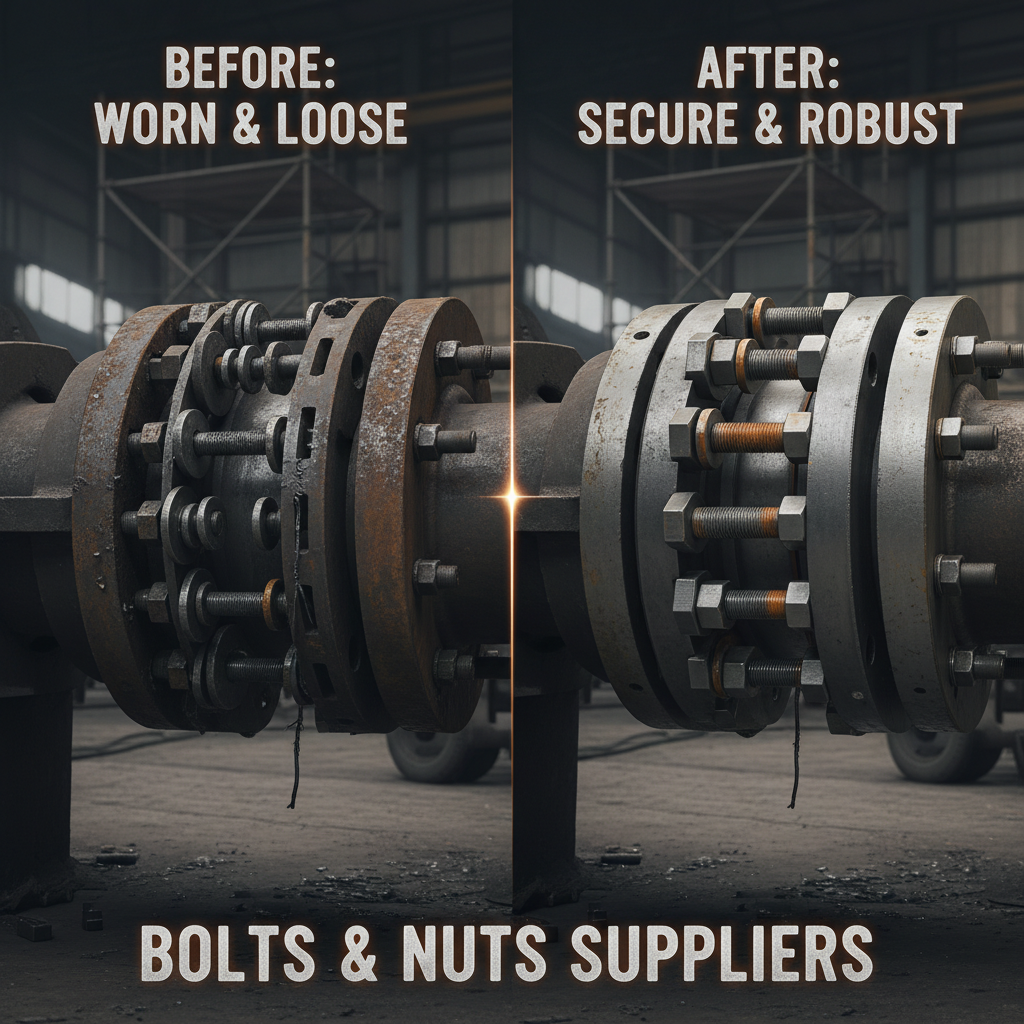
A key challenge addressed by stainless fasteners is the pervasive problem of corrosion. Traditional carbon steel fasteners are susceptible to rust and degradation when exposed to moisture, chemicals, or harsh weather conditions. This corrosion can lead to structural failures, costly repairs, and safety hazards. Stainless fasteners offer a superior solution, providing exceptional resistance to corrosion and ensuring long-term reliability in challenging environments. They are essential for applications where maintenance is difficult or the consequences of failure are severe.
Defining Stainless Fasteners
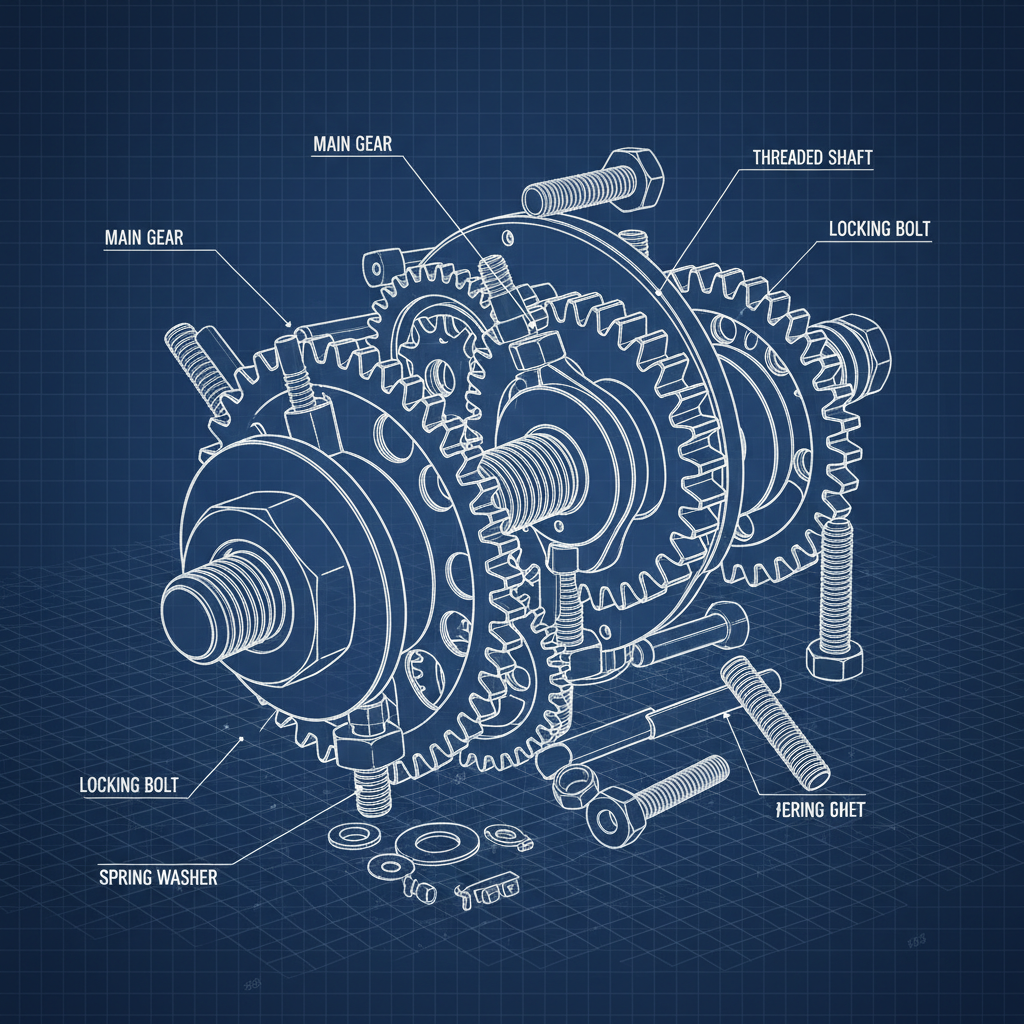
Stainless fasteners are mechanical components used to securely join materials together, fabricated from various grades of stainless steel alloys. Unlike carbon steel fasteners, stainless steel incorporates a minimum of 10.5% chromium, which forms a passive layer of chromium oxide on the surface. This layer acts as a barrier, protecting the underlying steel from corrosion. Stainless fasteners encompass a wide range of types, including bolts, screws, nuts, washers, studs, and rivets.
Their connection to modern industry is profound. Modern manufacturing processes, from automotive assembly to aerospace engineering, depend heavily on the consistent and reliable performance of fasteners. Stainless steel's inherent properties – strength, corrosion resistance, and aesthetic appeal – make it a material of choice for these critical applications. Furthermore, the demand for stainless fasteners extends beyond industrial settings into everyday life, impacting everything from kitchen appliances to outdoor furniture.
The relevance extends to humanitarian needs as well. In disaster relief efforts, rapid deployment of shelters and infrastructure relies on durable, corrosion-resistant fasteners. Stainless steel's ability to withstand harsh environmental conditions ensures the longevity and stability of these temporary structures, providing vital support to affected communities. This resilience makes them a valuable asset in emergency situations where dependability is paramount.
Core Properties of Stainless Fasteners
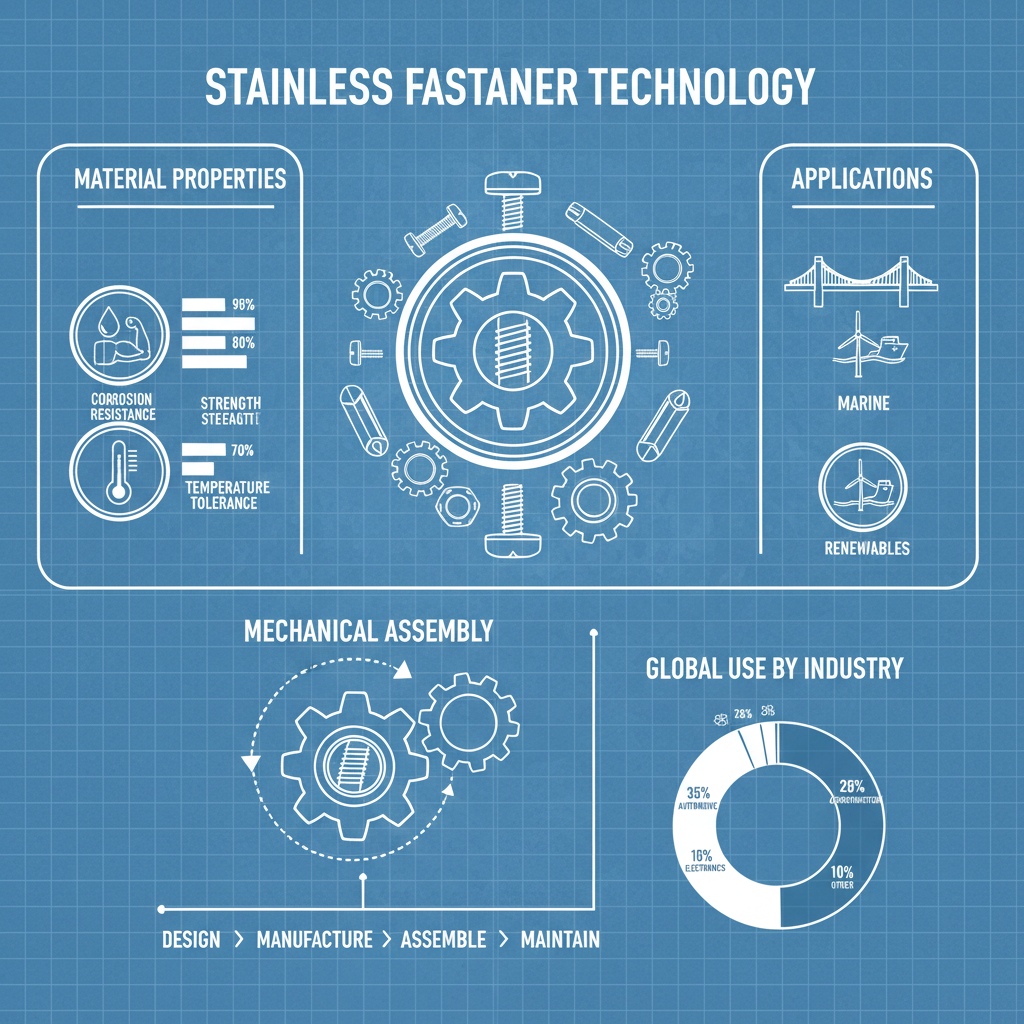
One of the most significant properties of stainless fasteners is their exceptional corrosion resistance. This is primarily due to the chromium content, which creates a self-healing passive layer. Different grades of stainless steel offer varying levels of corrosion resistance, with austenitic grades like 304 and 316 providing superior protection in particularly harsh environments. This makes them ideal for marine applications, chemical processing plants, and outdoor construction.
High tensile strength is another crucial characteristic. Stainless steel fasteners can withstand substantial loads and stresses, making them suitable for applications requiring structural integrity. The specific tensile strength varies depending on the alloy composition and manufacturing process, but generally exceeds that of many other common fastener materials. Heat treatment processes can further enhance the strength and hardness of stainless steel fasteners.
Durability is intrinsically linked to the properties mentioned above. The combination of corrosion resistance and high strength ensures a long service life, minimizing the need for frequent replacements and reducing lifecycle costs. This durability also contributes to improved safety, as the risk of fastener failure is significantly reduced. Moreover, stainless steel fasteners exhibit good fatigue resistance, meaning they can withstand repeated stress cycles without fracturing.
Performance Characteristics and Applications
The mechanical properties of stainless fasteners, such as shear strength and yield strength, dictate their suitability for various applications. These properties are carefully considered during the design phase of any project to ensure the fasteners can adequately bear the intended loads. Different types of stainless steel fasteners are optimized for specific applications; for example, self-tapping screws are commonly used for joining sheet metal, while hex bolts are preferred for heavy-duty structural connections.
Applications span a wide spectrum of industries. In the construction sector, stainless fasteners are vital for securing structural elements, cladding, roofing, and facades. The automotive industry utilizes them extensively in exhaust systems, engine components, and body panels. The aerospace industry relies on high-strength stainless fasteners for critical aircraft components where weight and reliability are paramount. The chemical processing industry uses them due to their excellent resistance to corrosive chemicals.
Stainless Fastener Performance Comparison
Global Applications and Industries
Stainless fasteners are integral to a vast array of industries worldwide. The construction industry, particularly in rapidly developing nations, relies heavily on these fasteners for building infrastructure, bridges, and high-rise structures. Regions like China, India, and Southeast Asia exhibit a significant demand for stainless steel fasteners due to their extensive construction activities.
The marine industry is another major consumer, utilizing stainless fasteners in shipbuilding, offshore platforms, and marine equipment. Coastal regions and countries with substantial maritime activities, such as Norway, South Korea, and Japan, demonstrate consistent demand for corrosion-resistant fastening solutions. These fasteners are crucial for withstanding the harsh saltwater environment.
The Advantages of Stainless Fasteners
One of the primary advantages of stainless fasteners is their significantly lower maintenance requirements compared to carbon steel fasteners. The corrosion resistance minimizes the need for frequent replacements and reduces the costs associated with repairs and downtime. This is particularly important in applications where access is difficult or costly.
From a sustainability perspective, the long service life of stainless fasteners contributes to resource conservation. Reducing the frequency of replacements lowers the demand for raw materials and minimizes waste generation. Stainless steel is also recyclable, further enhancing its environmental benefits. The durability and reliability of stainless fasteners also contribute to improved safety by reducing the risk of structural failures.
Future Trends and Innovations
The development of new stainless steel alloys with enhanced corrosion resistance and mechanical properties is a key trend shaping the future of stainless fasteners. Researchers are actively exploring alloys with increased nitrogen and molybdenum content, as well as duplex stainless steels, to improve performance in challenging environments.
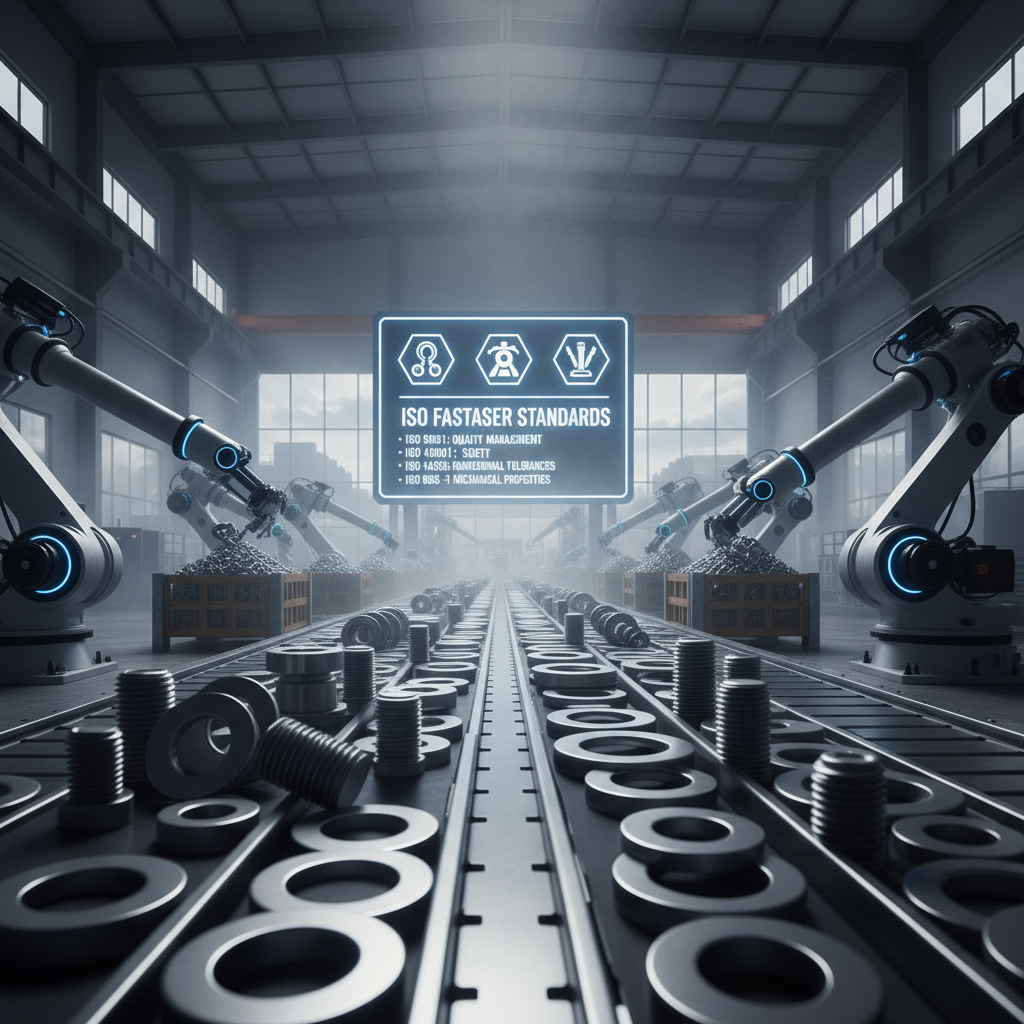
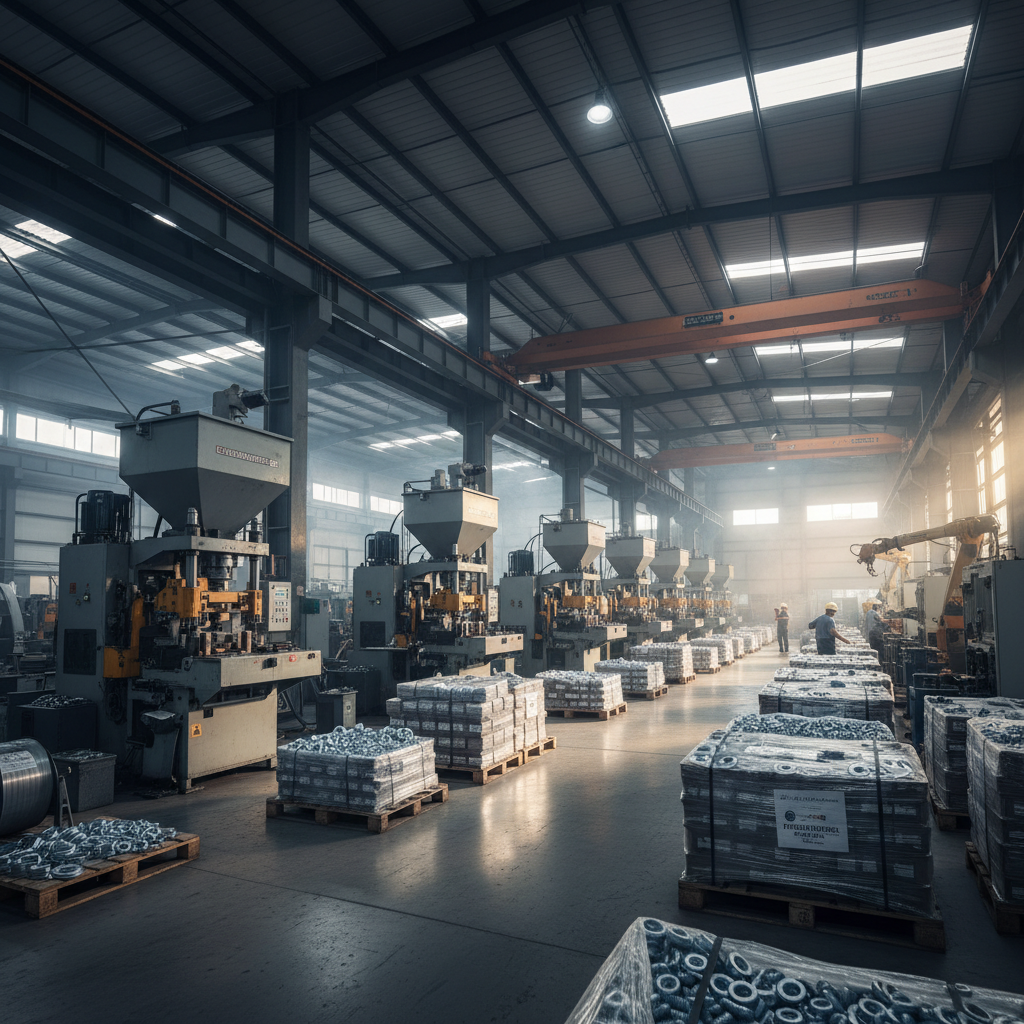
Digitalization and automation are also impacting the stainless fastener industry. Automated manufacturing processes, incorporating technologies like robotics and machine learning, are improving production efficiency and quality control. The implementation of track-and-trace systems, utilizing RFID tags, is enabling better inventory management and supply chain visibility.
Furthermore, the focus on sustainability is driving innovation in manufacturing processes. Companies are adopting more energy-efficient production methods and exploring the use of recycled stainless steel to reduce their environmental footprint. These advancements are paving the way for a more sustainable and efficient stainless fastener industry.
Summary of Factors Influencing Stainless Fastener Selection
| Environment |
Load Requirements |
Cost Analysis |
Regulatory Compliance |
| Marine/Coastal (High Salt Exposure) |
High Static/Dynamic Loads |
Initial Cost vs. Lifecycle Cost |
ASTM Standards, Material Certifications |
| Chemical Processing (Corrosive Substances) |
Moderate Shear/Tensile Stress |
Budget Constraints, Replacement Frequency |
Industry-Specific Regulations (e.g., FDA) |
| Outdoor Construction (Weather Exposure) |
Low to Moderate Load Bearing |
Long-Term Value, Maintenance Costs |
Building Codes, Safety Standards |
| Food & Beverage Processing (Hygienic Requirements) |
Minimal Stress, Sanitary Connections |
Cleaning/Sterilization Costs, Hygiene Compliance |
Sanitation Regulations, Material Safety |
| Aerospace (Extreme Temperatures & Stress) |
Very High Fatigue Resistance |
Performance Reliability, Safety Criticality |
FAA Regulations, Quality Assurance |
| Medical Devices (Biocompatibility) |
Low Stress, Precise Assembly |
Material Purity, Regulatory Approvals |
ISO 13485, Biocompatibility Standards |
FAQS
Both 304 and 316 are austenitic stainless steels, offering excellent corrosion resistance. However, 316 contains molybdenum, which significantly enhances its resistance to chloride corrosion, making it ideal for marine environments and applications involving salt exposure. 304 is a more general-purpose grade, suitable for less corrosive environments. Cost-wise, 316 is typically more expensive than 304 due to the addition of molybdenum. Choosing the correct grade depends on the specific application and potential for chloride exposure.
Galling, or adhesive wear, can occur when stainless steel fasteners are tightened against themselves or similar materials. To prevent this, use anti-seize lubricant during assembly. Another solution is to use a different material for one of the mating surfaces, such as brass or nylon. Proper torque control is also crucial – avoid over-tightening, as this exacerbates the risk of galling. Selecting fasteners with different finishes, like PTFE coating, can also reduce friction and prevent galling.
Not all stainless steel fasteners are magnetic. Austenitic stainless steels, like 304 and 316, are generally non-magnetic in their annealed condition. However, cold working (e.g., drawing, forming) can induce some magnetism. Ferritic and martensitic stainless steels, on the other hand, are typically magnetic. The presence or absence of magnetism can be a useful way to identify the grade of stainless steel, but it’s not always conclusive.
Torque specifications vary depending on the fastener size, material grade, and application. It's crucial to consult the manufacturer's recommendations for specific torque values. Generally, stainless steel fasteners require lower torque than carbon steel fasteners due to their lower coefficient of friction. Over-tightening can lead to galling or stripping of the threads, while under-tightening can compromise the joint's integrity. Using a calibrated torque wrench is essential for accurate tightening.
Direct contact between stainless steel and aluminum can lead to galvanic corrosion, especially in the presence of moisture. The stainless steel acts as the cathode, and the aluminum acts as the anode, resulting in corrosion of the aluminum. To prevent this, use an insulating material between the two metals, such as a nylon washer or a coating. Selecting a compatible stainless steel grade and using a corrosion inhibitor can also help mitigate the risk of galvanic corrosion.
Stainless steel grades are often marked on the fastener head. Common markings include numbers like "304" or "316" indicating the alloy composition. Sometimes, color coding is used, although this is not always consistent. If no markings are present, a material test may be required to determine the grade. Consulting with a fastener supplier or a materials testing laboratory can provide accurate identification.
Conclusion
Stainless fasteners are far more than just simple joining components; they are critical elements that contribute to the safety, durability, and sustainability of countless structures and systems. Their inherent corrosion resistance, high strength, and long service life make them an indispensable material across a diverse range of industries, from construction and automotive to marine and medical. Understanding the nuances of stainless steel grades and selecting the appropriate fastener for a specific application are paramount to achieving optimal performance and minimizing lifecycle costs.
As technology advances and the demand for sustainable solutions grows, innovation in stainless fastener materials and manufacturing processes will continue to shape the industry. Investing in high-quality stainless fasteners is an investment in long-term reliability, reduced maintenance, and a more sustainable future. For all your stainless fastener needs, visit our website at stainless fasteners.