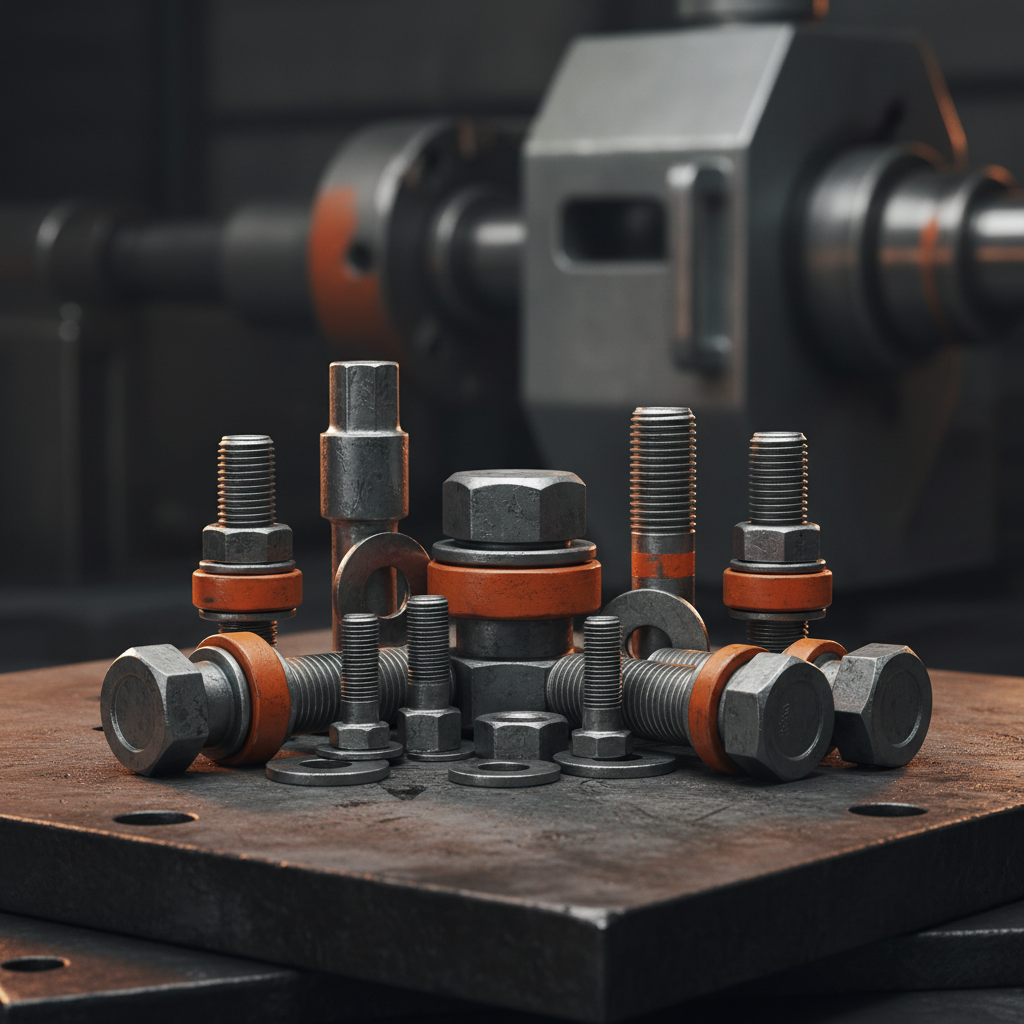
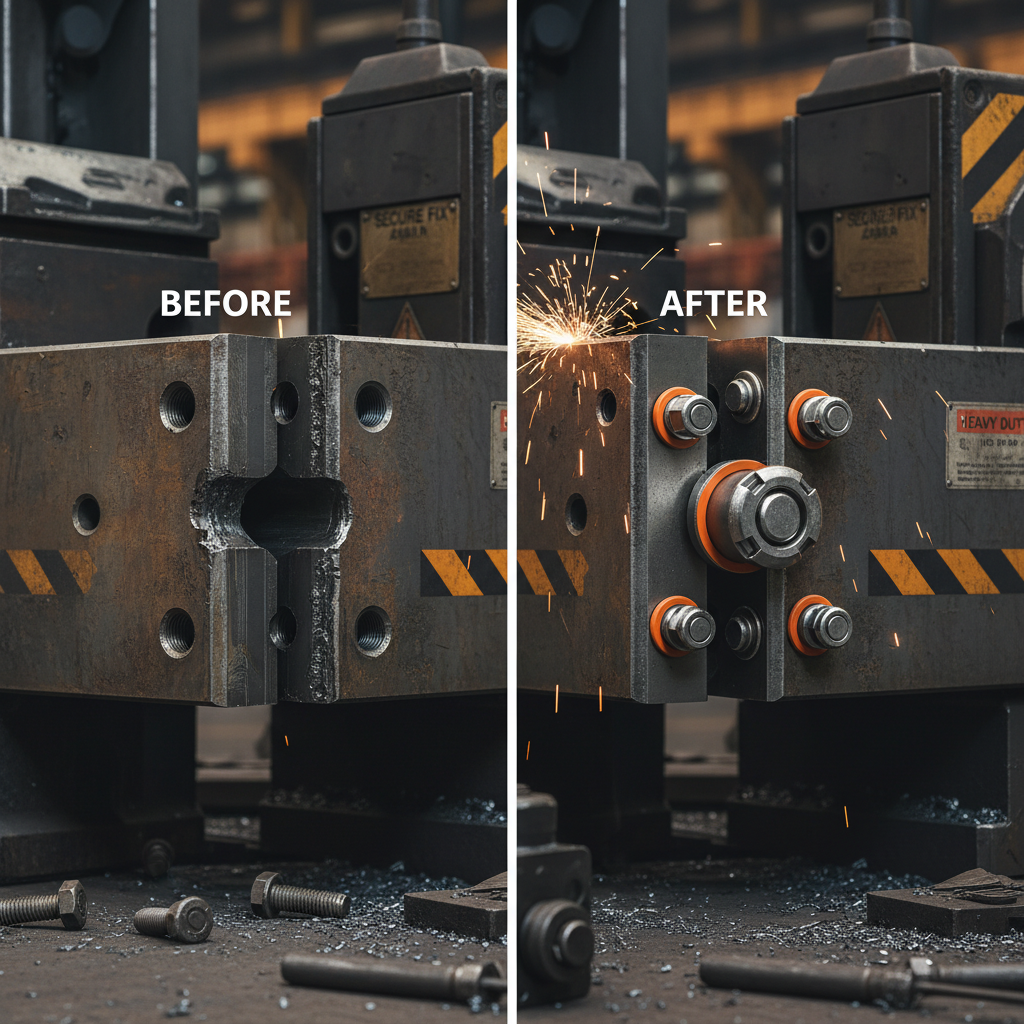
Fasteners are the unsung heroes of modern civilization. From the towering skyscrapers that define our skylines to the intricate machinery that powers our industries, these seemingly simple components hold everything together. Their reliability and strength are paramount, impacting safety, efficiency, and even the longevity of infrastructure projects globally. Understanding the principles behind fasteners is therefore crucial for engineers, builders, manufacturers, and anyone involved in creating and maintaining the world around us.
The global fasteners market is a multi-billion dollar industry, demonstrating its pervasive importance across virtually all sectors. According to reports, the market is projected to continue growing due to increased construction activity, automotive production, and infrastructure development, especially in emerging economies. This growth underscores the constant demand for innovative and high-performing fasteners, and also highlights the challenges of ensuring consistent quality and sustainable sourcing.
Ultimately, advancements in fasteners directly contribute to safer, more durable, and more efficient products and structures. They are essential for addressing some of the world’s most pressing challenges, from providing secure housing in disaster-prone areas to enabling the construction of renewable energy infrastructure. The right fastener, correctly applied, can be the difference between success and failure.
The Importance of Fasteners
The significance of fasteners extends far beyond simply holding things together. They are crucial for structural integrity, ensuring safety and preventing catastrophic failures in countless applications. A compromised fastener can lead to serious consequences, making quality control and proper selection absolutely vital.
Consider the automotive industry, where fasteners are subjected to intense vibrations, temperature fluctuations, and corrosive environments. The failure of a single critical fastener can lead to vehicle malfunctions and potential accidents. This illustrates the need for rigorous testing and adherence to industry standards.
Defining Fasteners and Their Role
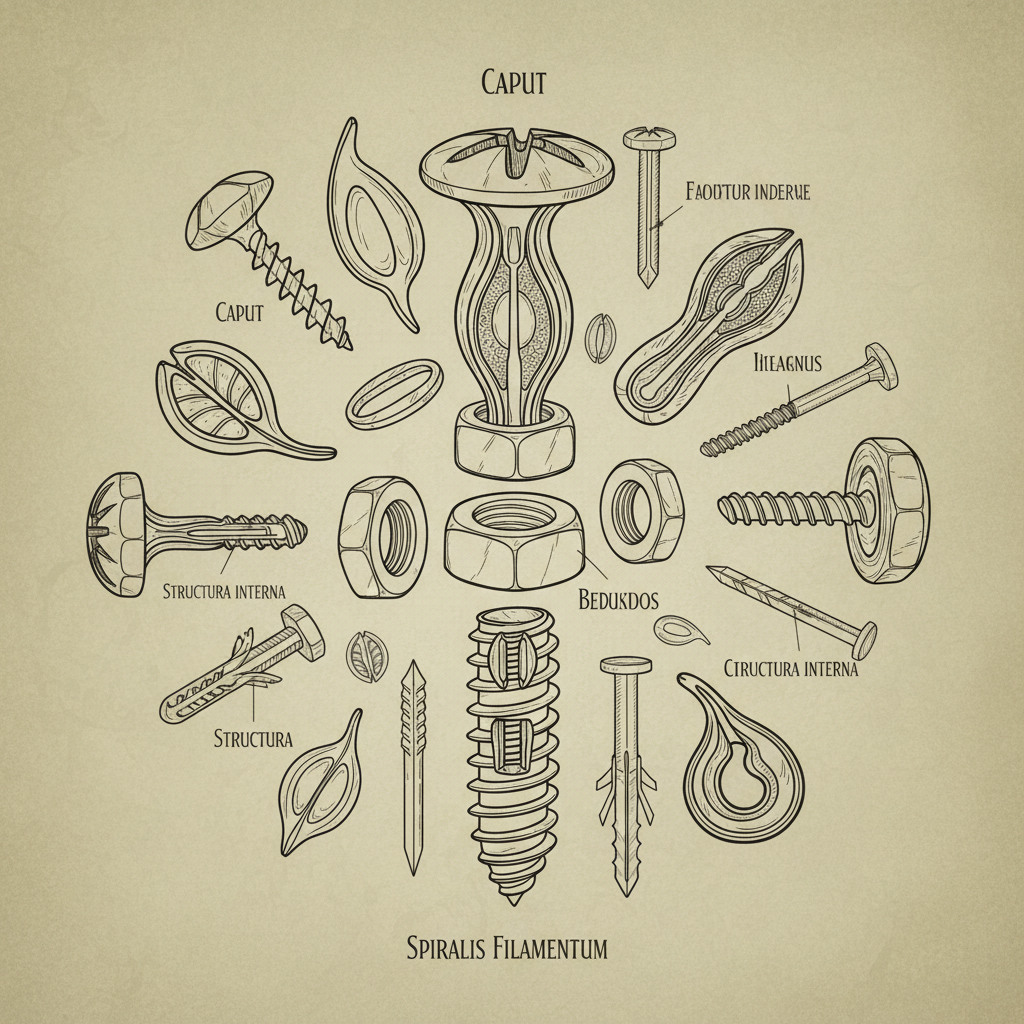
In its most basic form, a fastener is a hardware component used to mechanically join materials together. This includes a broad range of items – screws, bolts, nuts, rivets, adhesives, and more – each designed for specific applications and material types. They rely on principles of friction, compression, and interlocking to create a secure connection.
The history of fasteners is interwoven with the development of human civilization. From the earliest use of natural adhesives and rudimentary wedges to the sophisticated precision-engineered fasteners of today, the need to join materials has driven innovation. Modern fasteners are integral to modern industry, streamlining assembly processes and enabling complex designs.
Beyond industrial applications, fasteners play a critical role in addressing humanitarian needs. In disaster relief, quickly deployable shelters relying on specialized fasteners provide vital housing for displaced populations. This demonstrates the power of fasteners to improve lives and provide essential support during times of crisis.
Key Factors in Fastener Performance
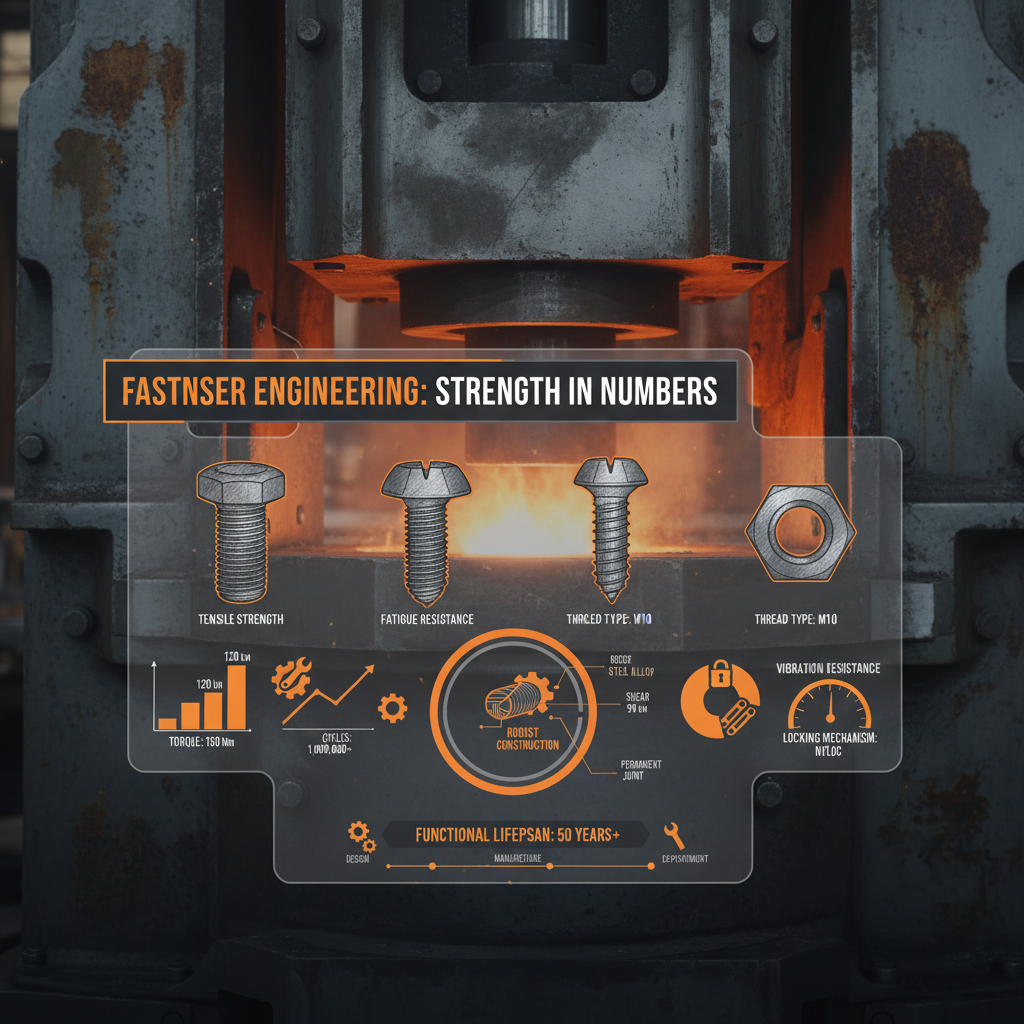
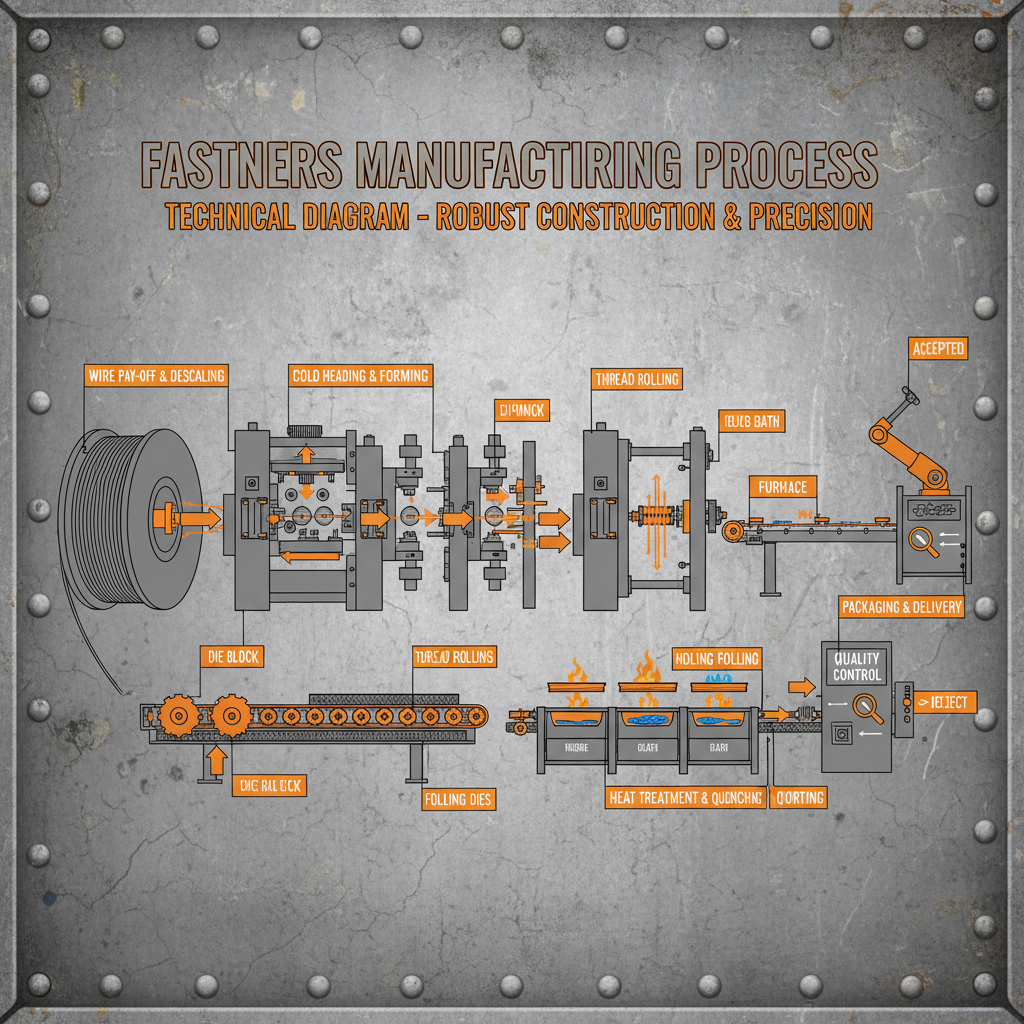
Several key characteristics determine the suitability of a fastener for a given application. Durability is paramount, encompassing resistance to corrosion, fatigue, and shear forces. The material composition, surface treatment, and manufacturing process all contribute to a fastener’s longevity.
Another crucial aspect is load capacity – the amount of force a fastener can withstand before failing. This is directly related to the fastener’s size, material strength, and thread design. Proper load calculations are essential to ensure structural integrity and prevent failure.
Finally, compatibility with the materials being joined is critical. Galvanic corrosion can occur when dissimilar metals are in contact, leading to accelerated degradation. Selecting fasteners made from compatible materials or using appropriate protective coatings can mitigate this risk.
Global Applications of Fasteners
The applications of fasteners are incredibly diverse. In the construction industry, they are used to assemble everything from building frames to cladding systems. The automotive sector relies heavily on fasteners for engine assembly, chassis construction, and interior components.
Aerospace applications demand the highest levels of precision and reliability, utilizing specialized fasteners made from exotic materials like titanium and nickel alloys. The energy sector, including wind turbines and solar panel installations, also depends on robust fasteners to withstand harsh environmental conditions.
Fastener Performance by Type
Advantages and Long-Term Value
Choosing the right fasteners offers substantial long-term benefits. Cost-effectiveness is a key factor, as durable fasteners reduce the need for frequent replacements and maintenance.
Sustainability is another significant advantage. Using high-quality, long-lasting fasteners minimizes waste and reduces the environmental impact of construction and manufacturing processes. Furthermore, reliable fasteners contribute to the safety and longevity of structures, protecting investments and minimizing risks.
Future Trends in Fastener Technology
The future of fastener technology is focused on innovation and sustainability. We are seeing a growing demand for lightweight materials, such as advanced polymers and composites, to reduce weight and improve fuel efficiency in industries like aerospace and automotive.
Smart fasteners, equipped with sensors and data analytics capabilities, are also emerging. These can monitor stress levels, detect corrosion, and provide real-time feedback on structural health. This technology has the potential to revolutionize maintenance and improve safety in critical infrastructure.
Automation and robotics are increasingly being used in fastener manufacturing and assembly, improving precision, efficiency, and reducing labor costs.
Challenges and Innovative Solutions
Despite advancements, challenges remain in the fasteners industry. Corrosion, particularly in harsh environments, continues to be a major concern. Innovative surface treatments, such as plasma nitriding and advanced coatings, are being developed to enhance corrosion resistance.
Ensuring consistent quality and traceability across the supply chain is another challenge. Implementing robust quality control procedures and utilizing technologies like blockchain can help track fasteners from origin to application.
The need for specialized fasteners for emerging applications, such as electric vehicles and renewable energy systems, is driving research and development. This requires a collaborative effort between fastener manufacturers, engineers, and researchers.
Summary of Key Fastener Challenges and Solutions
| Challenge |
Impact on Fasteners |
Solution |
Implementation Cost (1-10) |
| Corrosion |
Reduced fastener lifespan, structural weakness |
Advanced coatings, corrosion-resistant alloys |
6 |
| Supply Chain Traceability |
Difficulty verifying fastener origin and quality |
Blockchain technology, serialization |
8 |
| Material Compatibility |
Galvanic corrosion, reduced joint strength |
Selection of compatible materials, isolation techniques |
4 |
| Emerging Applications |
Need for specialized fasteners with unique properties |
R&D in new materials and designs |
9 |
| Standardization |
Lack of uniform standards across regions |
Harmonization of industry standards |
7 |
| Fatigue Failure |
Fastener failure under cyclical loading |
Improved material properties, optimized design |
5 |
FAQS
The most common fasteners in construction include screws, bolts, nuts, rivets, and anchors. Screws are ideal for wood and sheet metal, bolts are used for heavier applications requiring high strength, nuts secure bolts, rivets provide a permanent joint, and anchors secure structures to concrete or masonry. The selection depends on the materials being joined and the load requirements.
Corrosion weakens fasteners over time, reducing their load-bearing capacity and potentially leading to structural failure. Environmental factors like moisture, salt spray, and chemical exposure accelerate corrosion. Protective coatings, corrosion-resistant alloys (like stainless steel), and proper maintenance can mitigate these effects. Regular inspections are essential in corrosive environments.
Bolts typically require a nut to tighten and secure materials together, while screws are designed to thread directly into the material they are fastening. Bolts are often used for heavier-duty applications and disassembled connections, while screws are suitable for lighter loads and more permanent attachments. Their thread forms also differ.
Selecting the right material involves considering the environment, load requirements, and compatibility with the joined materials. Steel is common for strength, stainless steel for corrosion resistance, aluminum for lightweight applications, and polymers for electrical insulation. Factors like temperature, chemical exposure, and galvanic corrosion must be addressed during material selection.
High-strength fasteners offer superior load-bearing capacity, reducing the risk of failure in critical applications. They allow for lighter designs, as fewer fasteners can achieve the same level of strength. They're vital in aerospace, automotive, and construction where safety and reliability are paramount. These fasteners also extend the lifespan of assembled structures.
Proper torque is crucial for achieving a secure and reliable joint. Under-torquing can lead to loosening and failure, while over-torquing can damage the fastener or the materials being joined. Using a calibrated torque wrench and following manufacturer's recommendations ensures optimal clamping force and prevents potential problems. Consistent torque application is essential for joint integrity.
Conclusion
In conclusion, fasteners are fundamental components of modern infrastructure and manufacturing, silently ensuring the safety, reliability, and longevity of countless structures and products. Their significance extends beyond simple joining, impacting sustainability, cost-effectiveness, and innovation. Understanding the principles of fastener selection, application, and maintenance is vital for professionals across a wide range of industries.
Looking ahead, the fasteners industry is poised for continued innovation, driven by demands for lightweight materials, smart technologies, and sustainable solutions. Investing in research and development, adopting new manufacturing processes, and prioritizing quality control will be crucial for meeting these challenges and unlocking the full potential of these essential components. Visit our website at www.gardepota.com to learn more about our range of high-quality fasteners.