Comprehensive Guide to Types of Metal Bolts: Applications, Advantages & Future Trends
Comprehensive Guide to Types of Metal Bolts: Applications, Advantages & Future Trends
Understanding the Different Types of Metal Bolts: Why It Matters
Metal bolts—sounds mundane, right? But without them, vast portions of industry, infrastructure, and everyday objects would quite literally fall apart. From giant skyscrapers in New York to roadside billboards in Nepal, the types of metal bolts used affect durability, safety, and cost-efficiency everywhere. Knowing which bolt fits a task isn’t just for engineers; it globally impacts construction quality, transportation safety, and even emergency humanitarian relief. Frankly, the more you understand these tiny but mighty fasteners, the more you realize they’re unsung heroes holding the modern world together. And given the global push for sustainable, resilient infrastructure, the right types of metal bolts—designed for specific environments and stresses—can literally mean the difference between success and disaster. ---Global Importance of Metal Bolt Varieties: A Closer Look
The global fastener market, featuring metal bolts, has been steadily growing and is projected to reach north of $100 billion by 2027 (Statista). Why such demand? Well, bolts are everywhere—in automotive assembly lines, bridges, airplanes, and even household appliances. According to ISO 898-1 standards, quality and specifications of bolts are crucially regulated due to safety concerns. But here’s a challenge that often goes unnoticed: choosing the wrong type of bolt can cause early failure, structural hazards, or costly recalls. This means industries worldwide—from Asia’s explosive infrastructure boom to Europe’s strict safety regulations—need to be savvy about bolt selections. On a larger scale, sectors like post-disaster reconstruction in earthquake-prone areas urgently rely on bolts that can handle intense stress and corrosion. This makes the study and application of various types of metal bolts not just a niche engineering topic, but a global concern that touches millions of lives—whether in bustling cities or in remote rural zones where durable construction is vital. ---What Exactly Are the Types of Metal Bolts?
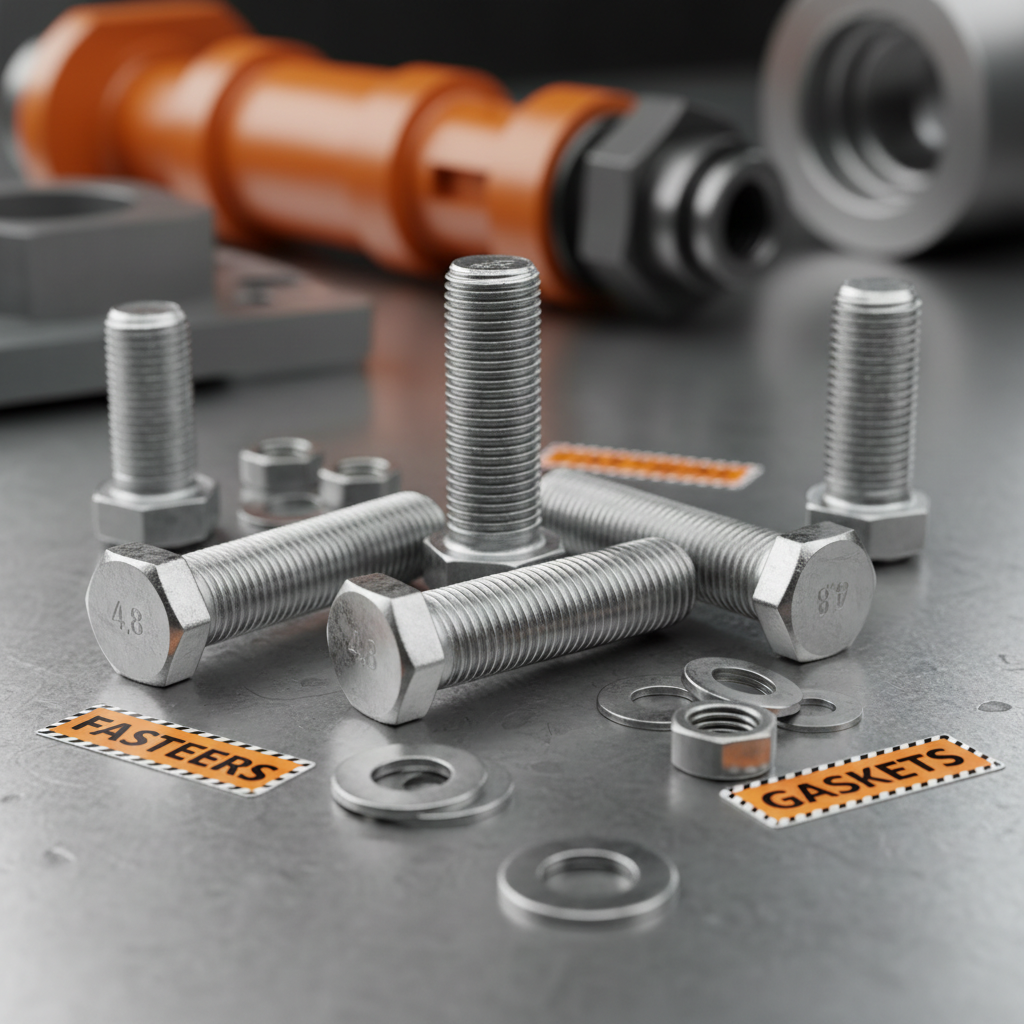
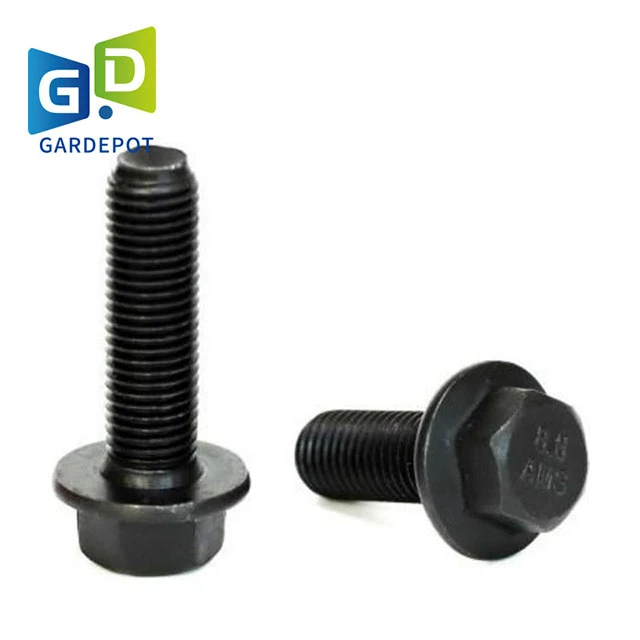
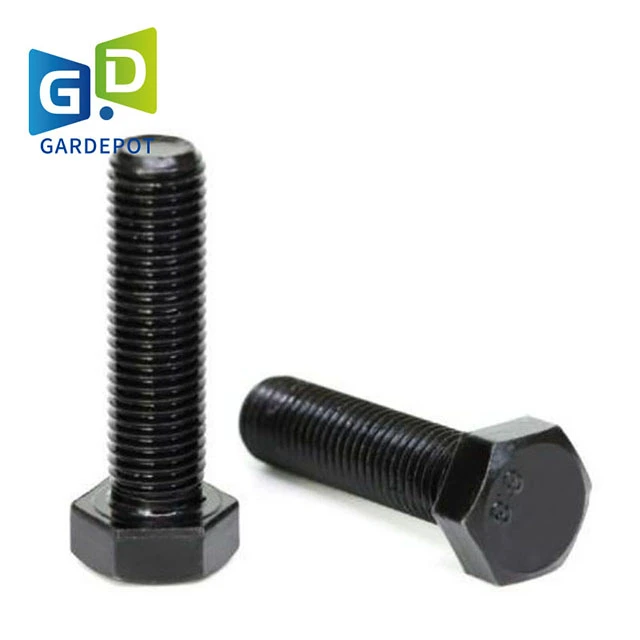
At their essence, bolts are sturdy metal fasteners designed to hold together parts by threading through them and anchored with a nut—or sometimes just fastening into a pre-tapped hole. But the “types” vary a lot. There are hex bolts, carriage bolts, eye bolts, lag bolts—the list goes on, each tailored for specific forces, materials, and environments. Metal bolts commonly come in steel variants, stainless steel, brass, or even exotic alloys, depending on the needed strength or corrosion resistance. They’re the nuts and bolts of modern industry, literally—supporting everything from massive bridges to lightweight electronics. In humanitarian efforts, strong, versatile bolts become crucial for quickly assembling shelters or temporary infrastructure. So, beyond a simple fastener, bolts are fundamental components contributing to engineering reliability and human safety worldwide. ---Key Factors Impacting Bolt Choice and Performance
1. Durability & Material Composition
Different metals offer different strengths and corrosion resistance. For instance, stainless steel bolts resist rust in marine environments, while carbon steel bolts deliver high tensile strength for structural use.2. Thread Design & Size
Coarse threads are better for quick assembly and softer materials; fine threads offer stronger tensile holding for harder materials. The size, pitch, and length must match the application precisely.3. Load Capacity & Tensile Strength
Bolts are rated for specific loads. Engineers pick bolts based on needed strength to avoid catastrophic failures especially in vibration-heavy or high-impact environments.4. Environmental Suitability
Bolts exposed to harsh chemicals, saltwater, or extreme temperatures require special coatings or alloys (like galvanized steel or titanium) to maintain integrity.5. Cost Efficiency
While high-grade materials offer superior performance, budgets and project scale often dictate choices. Balancing reliability with cost is an art in itself.6. Ease of Installation
Some bolt types facilitate faster assembly, which can be critical in time-sensitive scenarios—like emergency housing or shipbuilding. Mini takeaway: Picking the right type of metal bolt involves a careful balance between strength, environment, and budget—not something to take lightly, but pretty interesting once you get into details. ---Global Applications: Where the Types of Metal Bolts Really Shine
Oddly enough, metal bolts show up in some of the world’s most critical operations. For example: - Post-disaster rebuilding: After typhoons or earthquakes, rapid deployment shelters use lag bolts or carriage bolts for speed and strength. - Transport infrastructure: Highways in Europe rely on galvanized hex bolts to withstand salted roads and freeze-thaw cycles. - Industrial plants: Steel bolts with high tensile ratings secure machinery in factories from Germany to South Korea. - Renewable energy: Wind turbines use specialized corrosion-resistant bolts to endure harsh weather in coastal areas. These varied applications reveal how critical choosing the right type is. It can make or break safety and longevity in all climates and industries. Learn more about the types of metal bolts and their uses. ---Advantages and Long-Term Value of Proper Bolt Selection
On a logical front, correct bolt choice promotes safety and reduces maintenance costs, which means fewer disruptions and lowered risk. Emotionally, knowing a bridge or building is held together with the "right" bolts gives peace of mind to engineers and the public alike. Sustainability also comes into the picture; bolts that resist corrosion reduce frequent replacements and waste. Plus, innovations in recyclable metals and coatings are now contributing to greener construction. Reliability earns trust—whether in building consumer confidence or ensuring infrastructure withstands time and nature. ---| Bolt Type | Material | Thread Type | Tensile Strength (MPa) | Typical Use Case |
|---|---|---|---|---|
| Hex Bolt | Carbon Steel | Coarse | 400–700 | Construction, machinery |
| Carriage Bolt | Stainless Steel | Coarse | 500–600 | Wood connections, furniture |
| Eye Bolt | Brass or Steel Alloys | Fine | 450–650 | Lifting, rigging |
| Lag Bolt | Galvanized Steel | Coarse | 350–500 | Heavy wood fastening |
How Vendors Stack Up: A Quick Comparison
| Vendor | Material Options | Custom Sizes | Global Shipping | Sustainability Practices |
|---|---|---|---|---|
| BoltMaster Inc. | Carbon, Stainless, Alloy | Yes | Worldwide | Recycled materials |
| FastenRight | Carbon, Galvanized Steel | Limited | North America, Europe | Energy-efficient plants |
| EcoBolt Solutions | Stainless, Brass, Titanium | Yes | Asia, Europe | Eco-friendly coatings |
Looking Ahead: Innovations in Metal Bolt Technology
Smart bolts with embedded sensors are becoming a reality, allowing real-time stress monitoring in bridges or wind turbines. Manufacturers are experimenting with advanced alloys that reduce weight without sacrificing strength. Additive manufacturing (3D printing) is unlocking custom bolt geometries previously impossible. Sustainability drives new coatings that extend bolt lifespans, lowering environmental impact. As digital transformation touches every sector, bolt suppliers increasingly offer integrated supply chain solutions, allowing precise tracking of bolt batches to ensure quality control. ---Challenges and Solutions When Using Metal Bolts
Despite progress, hurdles remain: corrosion still sneaks up, especially in coastal or industrial zones. Installation errors are common—wrong torque, mismatched threads. Also, the global shortage of high-grade raw materials occasionally spikes prices and disrupts supply. Solution? Combining better education on bolt use, embracing smart monitoring, and sourcing from vendors prioritizing sustainability and quality control. Some companies invest in training programs or augmented reality guides to reduce human errors. ---FAQ: What People Commonly Ask About Types of Metal Bolts
Q1: How do I know which type of metal bolt is best for outdoor projects?A: Consider the environment first—choose corrosion-resistant materials like stainless steel or galvanized bolts for wet or salty conditions. Match thread type and size to your material. If unsure, consult standards like ISO 898-1 or a trusted vendor. Q2: Can I reuse metal bolts after disassembly?
A: It depends. Thread wear or deformation may compromise strength. For critical applications, it’s safer to use new bolts to maintain reliability and prevent failure. Q3: Are there eco-friendly metal bolt options?
A: Yes, manufacturers now offer bolts made from recycled metals or with eco-friendly coatings that extend longevity and reduce environmental impact. Q4: How do smart bolts improve construction safety?
A: Smart bolts with embedded sensors can detect stress, temperature, or loosening in real time, allowing preventative maintenance before failures occur. ---