Hex bolts are widely used in construction, machinery manufacturing, metal fabrication, equipment assembly, and infrastructure projects. Their six-sided heads allow installers to apply torque with standard wrenches or sockets, making them practical for applications that require dependable clamping force and straightforward maintenance. For procurement managers, hardware distributors, and industrial buyers, choosing the right bolt involves more than comparing dimensions and prices. Material grade, thread specifications, corrosion protection, and installation requirements all influence the suitability of a fastener. Understanding how to evaluate hex bolts for sale, purchase bulk hex bolts, and determine when a bolt countersink is necessary can help businesses improve purchasing efficiency and achieve better assembly results.

Hex Bolts for Sale for Industrial and Construction Applications
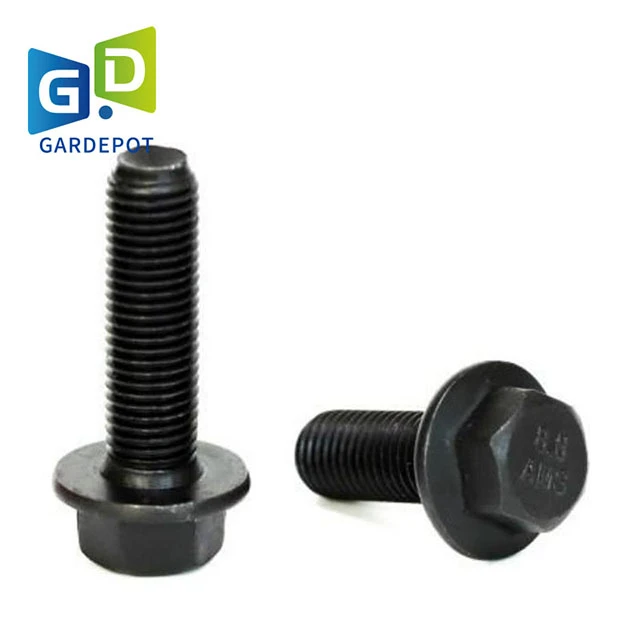
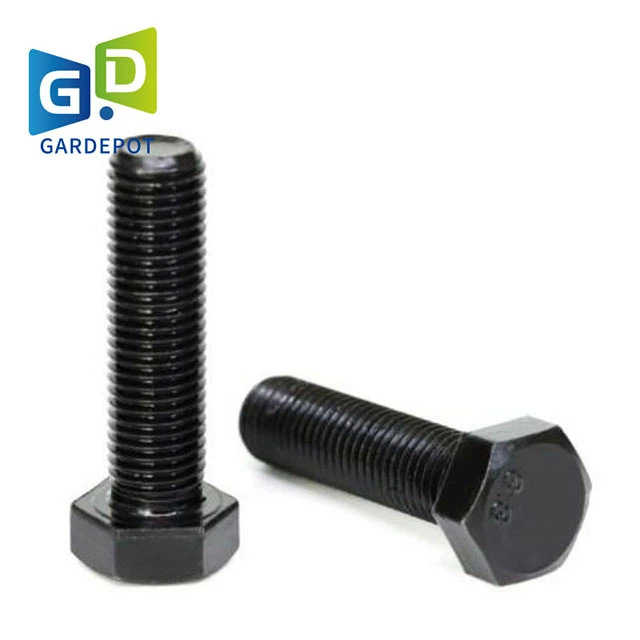
When searching for hex bolts for sale, buyers will encounter a wide range of products designed for different mechanical and structural requirements. Hex bolts typically feature a six-sided external head and a threaded shank, allowing them to be tightened with commonly available tools. Depending on the design, they may be used with nuts, washers, or compatible threaded components to create a secure fastening connection.
In machinery manufacturing, hex bolts can secure equipment frames, mounting brackets, protective covers, and mechanical assemblies. Construction contractors use suitable bolt types for selected steel connections, support structures, and installation work. Automotive equipment, agricultural machinery, and industrial maintenance operations also rely on bolts with appropriate dimensions and mechanical properties.
The first step in selecting a suitable product is identifying the application. Buyers should confirm the nominal diameter, length, thread pitch, and required strength grade. The bolt length must accommodate the connected materials and the intended thread engagement without creating unwanted interference. Where the joint is subject to significant loads or vibration, the complete fastening system must be designed for those conditions.
Material selection is another important consideration. Carbon steel bolts are common in general industrial applications, while stainless steel options may be preferred when corrosion resistance is important. Additional coatings can provide protection in suitable environments, but buyers should verify coating specifications and compatibility with the application.
For businesses sourcing hex bolts internationally, clear technical documentation helps prevent confusion between metric and imperial dimensions. Before placing an order, request a detailed product specification that identifies the applicable standard, material grade, surface finish, and packaging requirements. This makes supplier comparisons more accurate and helps ensure that the delivered fasteners match the intended use.
Bulk Hex Bolts for Wholesale Purchasing and Inventory Management
Purchasing bulk hex bolts can help distributors, construction suppliers, and manufacturers maintain sufficient inventory while reducing the administrative effort associated with frequent small orders. However, large-volume procurement should be based on accurate demand planning and consistent product specifications rather than price alone.
For hardware wholesalers, maintaining several commonly requested diameters, lengths, and material options can support a wider customer base. Industrial manufacturers may benefit from purchasing standardized fasteners in larger quantities to maintain production schedules and reduce the risk of assembly interruptions. Contractors working on long-term projects can also coordinate bulk purchases around installation schedules and material requirements.
Before confirming a bulk order, buyers should calculate expected consumption and consider storage conditions. Fasteners should be stored in a clean, dry environment, with packaging that helps protect them from moisture, contamination, and unnecessary mixing. Clear labeling by diameter, length, grade, and finish makes inventory identification easier and reduces the chance of incorrect fasteners reaching the assembly line.
Supplier consistency is particularly important for repeat purchasing. Variations in thread dimensions, head geometry, material properties, or coating quality can create problems when replacement bolts must fit an existing assembly. Buyers should ask about quality inspection procedures, batch identification, and the manufacturer's ability to maintain the same specifications across multiple shipments.
Price comparisons should include the complete cost of procurement. Unit price, packaging, shipping, lead time, inspection requirements, and potential quality-related losses may all influence the final purchasing decision. Requesting quotations at several order quantities can help businesses understand available pricing structures and choose a purchasing volume that matches actual demand.
For customized or high-volume requirements, providing technical drawings and clear acceptance criteria can make communication with suppliers more efficient. A well-defined purchase specification helps both parties confirm exactly which fasteners are being ordered.
Bolt Countersink Requirements for Flush-Fit Assembly Designs
A bolt countersink refers to a tapered recess prepared in a component so that a compatible countersunk fastener head can sit flush with or below the surrounding surface. This feature is useful when protruding fastener heads could interfere with moving parts, adjacent panels, product appearance, or the clearance required by an assembly.
It is important to distinguish between a conventional hex bolt and a countersunk bolt. Standard hex bolts generally have a protruding six-sided head and are tightened externally. Countersunk bolts use a different head profile intended to fit into a matching tapered recess. Therefore, a standard hex bolt cannot automatically be installed flush simply by creating a countersink; the head geometry and receiving hole must be compatible.
Countersunk fastening may be appropriate for selected machine panels, sliding assemblies, fixtures, and fabricated components where a smooth surface is needed. Before machining the recess, engineers or fabricators should verify the fastener's head angle, head diameter, material thickness, and required seating depth. An incorrectly sized recess can prevent proper contact or reduce the available material around the fastening point.
The base material also affects the design. Metal components may be machined to precise dimensions, while softer materials may require additional consideration to prevent deformation. For heavily loaded connections, the joint must be evaluated to ensure that the recessed geometry provides adequate support and does not compromise structural performance.
Buyers sourcing countersunk fasteners should specify the exact head style instead of relying on a general description such as bolt countersink. Drawings, dimensional tables, and sample checks can help confirm that the fastener matches the prepared hole. For safety-critical or structural applications, follow the relevant engineering standards and use an approved fastening design.
Choosing Bolt Materials, Grades, and Protective Finishes
The mechanical properties and surface treatment of a bolt should match the demands of its working environment. A fastener suitable for light equipment assembly may not be appropriate for a high-load structural connection, while a product designed for dry indoor use may require additional corrosion protection in a humid setting.
Carbon steel hex bolts are commonly selected for general fastening needs, with the appropriate grade determined by the intended loads and applicable specifications. Stainless steel bolts can offer improved corrosion resistance in many environments, although their strength and suitability depend on the particular alloy and product specification.
Surface finishes may include zinc-based coatings and other protective treatments. These can help reduce corrosion under appropriate conditions, but coating performance varies with thickness, application method, and environmental exposure. Buyers should also consider compatibility with mating materials and the potential effects of coating thickness on threaded connections.
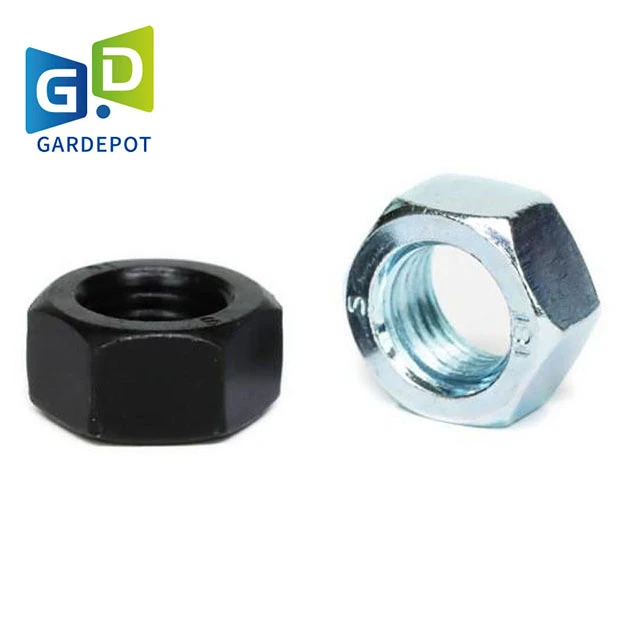
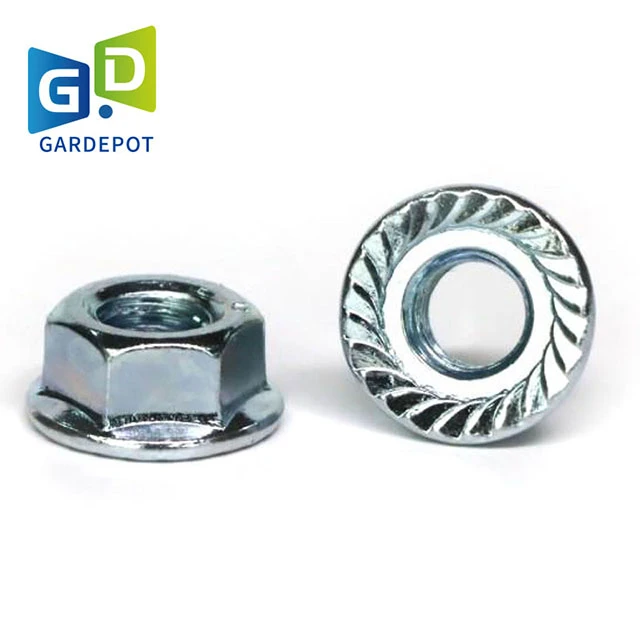
Thread type and pitch deserve equal attention. Metric and imperial bolts should not be substituted based only on approximate diameter, because differences in thread geometry can damage mating components or prevent correct engagement. Where nuts and washers are used, their specifications should be compatible with the selected bolt.
For industrial procurement, asking suppliers for material certificates, dimensional inspection records, or other documentation may be appropriate when required by the project. Confirming these details before production or shipment can reduce costly mistakes and support more consistent quality control.
How to Find a Reliable Hex Bolt Supplier
A dependable fastener supplier should provide clear specifications, consistent product quality, and realistic delivery commitments. Buyers should evaluate whether the supplier can meet their required dimensions, material grades, finishes, order quantities, and packaging preferences.
Before requesting a quotation, prepare a list of essential requirements:
Dimensions: Nominal diameter, bolt length, and thread pitch.
Product design: Standard hex head or a compatible countersunk fastener.
Material and grade: Steel type and required mechanical properties.
Surface finish: Plain, coated, or corrosion-resistant options as appropriate.
Order details: Quantity, packaging, delivery schedule, and any inspection requirements.
For wholesale distributors, a supplier with a consistent range of standard sizes can simplify inventory planning. For manufacturers, repeatability and accurate technical documentation may be more important than a small difference in unit price.
Whether you are comparing hex bolts for sale, arranging bulk hex bolts for ongoing production, or determining the correct bolt countersink configuration, begin with a precise specification and a clear understanding of the application. Combining appropriate fastener selection with reliable sourcing helps improve assembly compatibility, control procurement costs, and maintain dependable project schedules.