Few components are as easy to overlook — and as painful to get wrong — as the humble screw. Whether you are a contractor restocking a tool trailer, a manufacturer running a production line, or a homeowner finishing a weekend project, the screws you choose quietly determine the strength, appearance, and lifespan of everything you assemble.
This guide walks you through the differences between common metal screws and stainless steel screws, explains why upgrading matters, and shows you exactly how to buy screws in bulk without overpaying or getting stuck with low-grade stock.

Metal Screws: The Backbone of Everyday Assembly
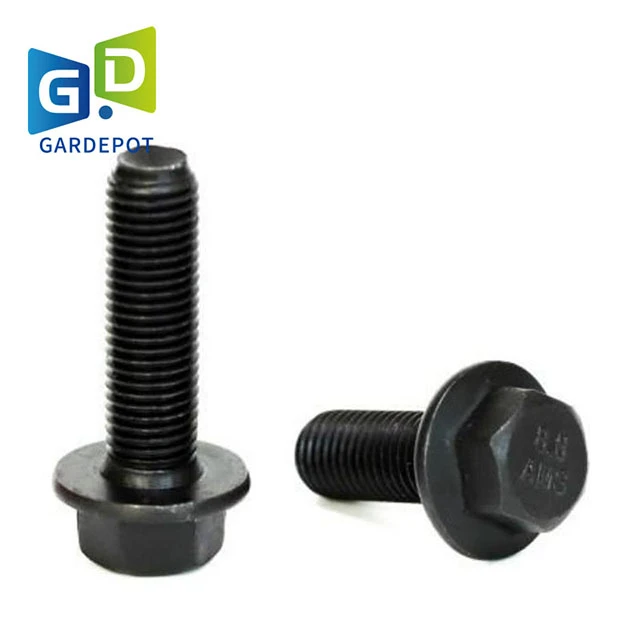
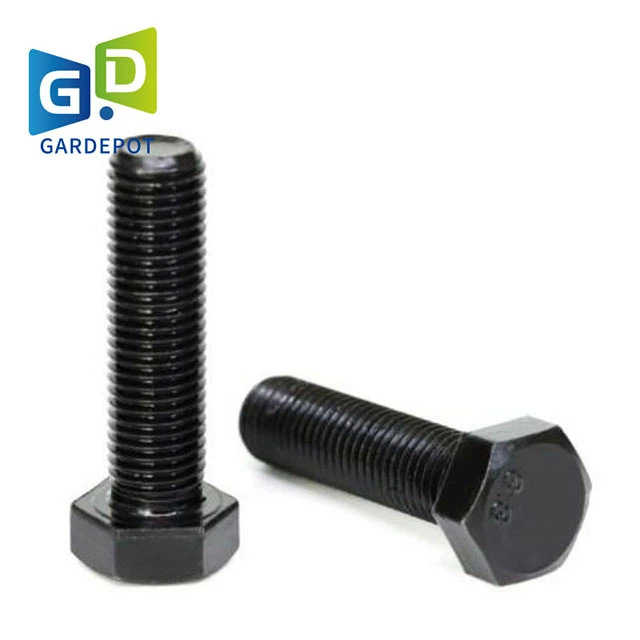
When most people say "screws," they mean metal screws — a category that covers carbon steel, alloy steel, and coated fasteners designed for general-purpose work. These are the workhorses of the industry: they are affordable, widely available, and strong enough for framing, furniture, cabinets, and countless mechanical applications.
Most carbon-steel metal screws are coated to resist corrosion. Zinc plating is the most common and offers a reasonable barrier against moisture for indoor use. For slightly tougher environments, you'll see galvanized coatings that add a heavier layer of protection, and black oxide finishes that improve lubricity and give parts a clean, professional look.
The trade-off is honest and important: even with a coating, ordinary metal screws will eventually rust when exposed to salt, humidity, or chemicals. If the fastener is going to live outdoors, near water, or inside a food or marine environment, you're better off skipping the standard options and looking at stainless steel screws instead.
Why Stainless Steel Screws Are Worth the Premium
Stainless steel screws are the clear upgrade when corrosion resistance, hygiene, and long-term durability matter. The secret is in the alloy: chromium reacts with oxygen to form a thin, self-healing oxide layer on the surface. This layer keeps moisture and oxygen away from the base metal, which is exactly why stainless steel screws can shrug off rain, salt spray, and even many cleaning chemicals.
For practical purposes, you mostly need to know two grades:
Grade 304 (18-8) is the everyday choice. It handles most outdoor and indoor applications with ease, offers excellent corrosion resistance, and is a solid value for the vast majority of projects.
Grade 316 adds molybdenum, which boosts resistance to chlorides and salt. If your application touches seawater, pool chemicals, or aggressive environments, 316 is the safer call.
Stainless steel screws are also non-magnetic in their austenitic form, which makes them ideal for electronics enclosures and medical or food-processing equipment where magnetic interference or contamination is a concern. Yes, they cost more per unit — but when a failed fastener means stripping a panel, replacing a dock component, or shutting down a line, the premium pays for itself many times over.
Buying Bulk Screws: How to Save Without Sacrificing Quality
The most effective way to lower your per-screw cost is to buy screws in bulk. Wholesale pricing typically kicks in at quantity thresholds, and buying in volume also saves you on shipping, packaging, and the constant reordering that eats up project time.
But bulk does not automatically mean bargain. Here is what separates a smart bulk buy from a warehouse full of regrets:
Know your specs before you order. Fasteners are described by material, grade, finish, diameter, thread type, length, and drive style. An M6 × 20 mm stainless steel screw is not interchangeable with a #8 × 1-inch one, and getting the head or drive wrong can ruin your tooling budget. Write down the exact specification for every size you need before you compare suppliers.
Demand a grade you can verify. Low-cost bulk screws from unknown sources are frequently made from substandard steel or stripped of their true coating. Ask for the alloy grade, a material certificate, and test reports. A cheap screw that snaps under torque costs you far more than a reliable one that never fails.
Order the sizes that matter most in higher quantities. Instead of buying small counts of fifty sizes, identify your three or four most-used fasteners and order those in bulk. You get better per-unit pricing and you keep your inventory simple. For occasional sizes, keep a small stock on hand.
Check the finish honestly. If the application is indoor and dry, coated metal screws are perfectly acceptable and save you money. If there's any risk of moisture, upgrade to stainless steel screws even in bulk — because corrosion failures are the most common cause of fastener replacement, and replacing a screw is never free.
Where and How to Buy Screws Without Wasting Money
Knowing what to buy is half the battle; the other half is knowing how to buy screws at a price that makes sense. Start by getting multiple quotes from at least three reputable distributors rather than taking the first price you see. Compare not just the unit price but also freight, minimum order quantities, and lead times — a "cheap" fastener that arrives three weeks late can stall a whole project.
Buy from distributors that publish clear material specifications and back their claims with documentation. Reliable suppliers stand behind grade, finish, and dimensional tolerances because their reputation depends on it. For critical or regulated industries, always confirm the supplier can provide traceability certificates.
Finally, factor in the total cost of ownership, not just the invoice. The true price of a fastener includes installation time, tool wear, and the cost of failures in the field. That is why the professionals who repeat projects most — deck builders, marine fabricators, equipment manufacturers — consistently reach the same conclusion: pay a little more for the right material, and you'll almost never have to install it twice.