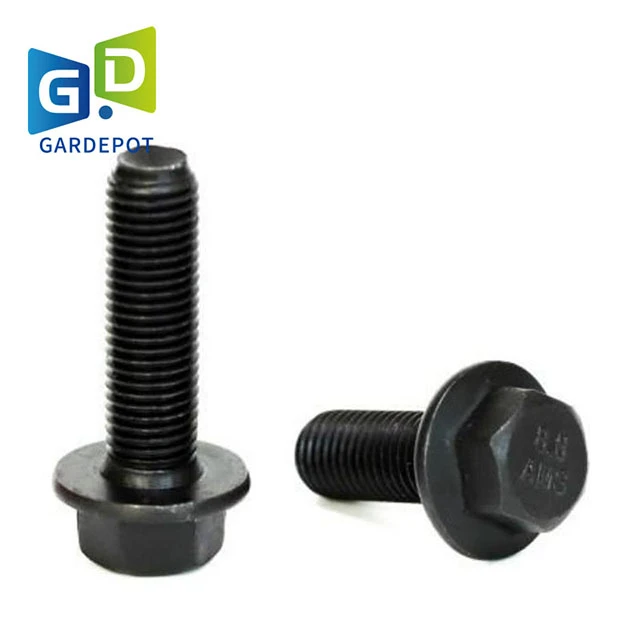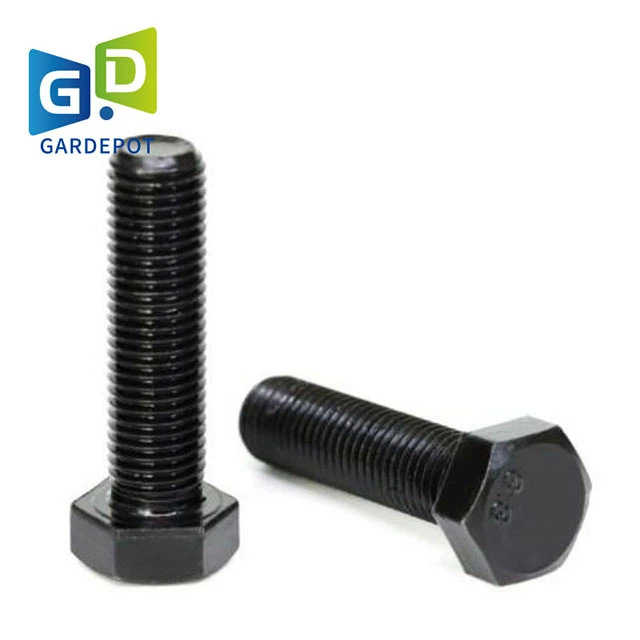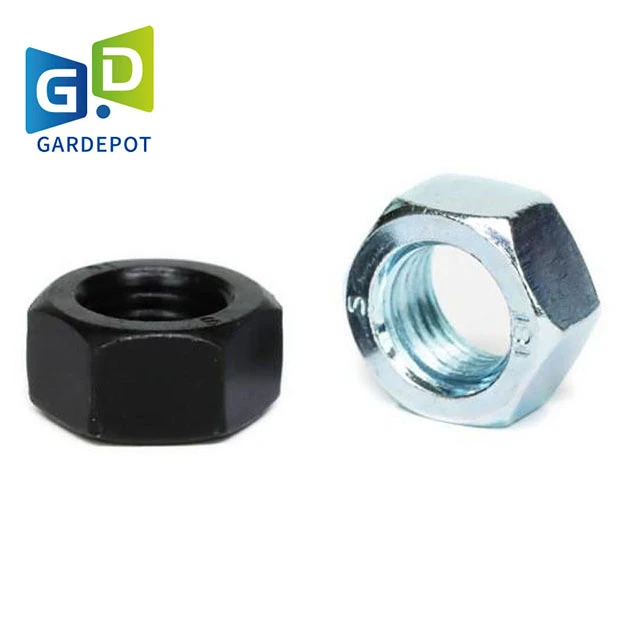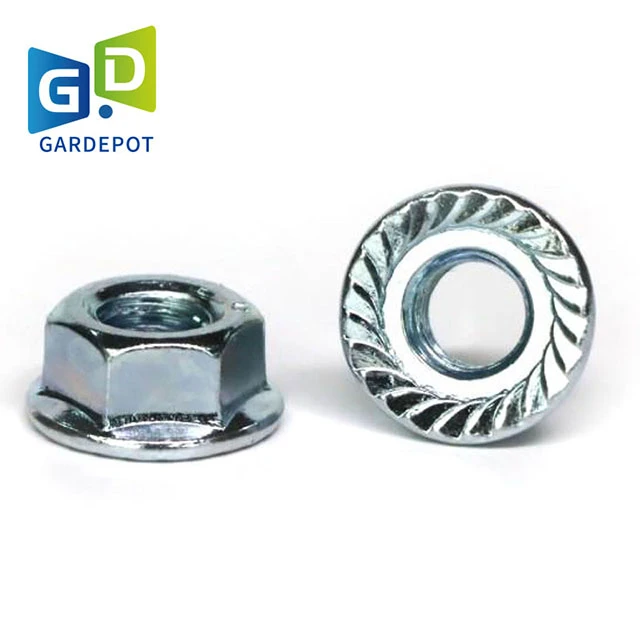
Fasteners play an essential role in maintaining the stability and reliability of mechanical equipment, automotive components, construction structures, and industrial assemblies. Among the many available fastening solutions, hex flange bolts are valued for their practical design and dependable connection performance. By combining a hexagonal head with an integrated flange, these bolts provide a convenient fastening option for applications where secure clamping and efficient installation are important.
The flange beneath the bolt head helps distribute pressure across a wider contact area, while the hexagonal head allows installation with standard fastening tools. Compared with conventional hex bolts, this integrated design can simplify certain assembly processes and reduce the need for separate washers. Understanding the features and applications of different hex flange bolt designs can help manufacturers and purchasing professionals select suitable fasteners for their projects.

Hex Bolt Flange Design Provides More Efficient Load Distribution
The hex bolt flange design combines two functional elements into one fastener. The hexagonal head provides a gripping surface for tightening, while the flange forms a wider bearing surface underneath the head. This structure helps distribute clamping pressure over a larger area than a standard hex head without an integrated flange.
One practical benefit of this design is that it can reduce localized pressure on the connected material. During installation, the flange contacts the surface around the fastening hole and helps spread the clamping force. This can be particularly useful when fastening sheet metal, brackets, equipment panels, and mechanical components. Depending on the application and material properties, a wider bearing surface may also help reduce the likelihood of surface indentation.
Some hex flange bolts feature a smooth flange, while others incorporate serrations on the underside. Serrated designs are intended to increase resistance to loosening by creating additional friction between the fastener and the mating surface. However, their suitability depends on the material, surface finish, assembly requirements, and whether surface marking is acceptable. Smooth flange designs may be preferred when protecting the connected surface is a priority.
Another consideration is installation convenience. Because the flange is integrated into the bolt, a separate flat washer may not be necessary in applications specifically designed for flange bolts. This can reduce the number of individual components handled during assembly and simplify inventory management. Nevertheless, the need for additional washers should always be determined by engineering specifications rather than assumed.
Hex Bolt with Flange Supports Reliable Mechanical Connections
A hex bolt with flange is commonly used in applications that require a practical combination of fastening strength and surface contact. Its design makes it suitable for a wide range of mechanical assemblies, including automotive components, agricultural machinery, industrial equipment, metal fabrication, and structural brackets.
In automotive manufacturing, flange bolts are frequently considered for securing components where consistent clamping is important. They may be used in selected engine-related assemblies, chassis components, mounting brackets, and equipment housings, depending on the required bolt specification. Their integrated flange can help distribute pressure around the fastening point, while the hexagonal head allows convenient tightening with a wrench or socket.
Industrial machinery is another important application area. Equipment manufacturers often need fasteners that can withstand operating conditions involving vibration, repeated movement, and mechanical loads. A hex bolt with flange can be selected for suitable connections when its material grade, thread engagement, and tightening requirements match the design. For vibration-sensitive applications, engineers may also need to evaluate locking features, locking compounds, or other measures to maintain joint integrity.
Material selection is equally important. Carbon steel flange bolts are widely used in general industrial fastening applications, while stainless steel versions may be considered for environments where corrosion resistance is required. Different strength grades and protective coatings are available depending on the manufacturer's product range. Buyers should confirm mechanical properties, corrosion requirements, and applicable standards before selecting a product.
For manufacturers purchasing fasteners in bulk, consistent dimensions and quality control are essential. Confirming the bolt diameter, length, thread pitch, flange dimensions, and head specifications can help ensure compatibility with existing assembly processes.
Hex Flange Bolt Options for Different Industrial Requirements
A hex flange bolt is not a one-size-fits-all fastening product. Different projects may require variations in diameter, length, thread type, material, strength grade, and flange structure. Selecting the correct combination helps improve assembly compatibility and supports the intended performance of the connection.
For example, smooth flange bolts may be appropriate for applications where a broader bearing surface is needed without additional serrations. Serrated flange bolts may be considered when greater resistance to rotation is required under specified installation conditions. However, serrations can leave marks on mating surfaces and may not be suitable for every material or finished component.
Thread specifications should also be checked carefully. Depending on the product standard and application, buyers may require coarse-thread or fine-thread options. The thread must match the corresponding nut or threaded hole to achieve proper engagement. Bolt length should account for the thickness of the connected materials and the required engagement, while avoiding unnecessary protrusion or insufficient fastening depth.
Surface treatment is another factor that affects product selection. Zinc plating and other protective coatings may be used to improve corrosion resistance in certain environments. Stainless steel provides another material option, although the appropriate grade should be chosen according to the actual exposure conditions and mechanical requirements.
For customized projects, buyers can communicate drawings, sample fasteners, or detailed specifications to the manufacturer. This makes it easier to confirm dimensions, identify suitable materials, and determine whether non-standard requirements can be accommodated. A qualified supplier should also be able to provide relevant product data and inspection information.
How to Choose a Reliable Hex Flange Bolt Manufacturer
Finding a suitable hex flange bolt manufacturer involves more than comparing unit prices. Product consistency, manufacturing capabilities, material traceability, and delivery reliability can all influence the success of a purchasing decision. For industrial buyers, these factors are especially important when fasteners are used in large production runs or equipment supplied to international markets.
Start by reviewing the manufacturer's available product range. A supplier with multiple diameters, lengths, thread specifications, materials, and flange designs can offer more flexibility for different projects. Buyers should also ask whether the manufacturer supports customized specifications and can produce according to recognized fastener standards.
Quality inspection is another essential consideration. Relevant checks may include dimensional measurement, thread inspection, material verification, mechanical testing, and coating evaluation, depending on the product requirements. Requesting technical documentation and samples before confirming a large order can help buyers assess whether the products meet their expectations.
Communication and order management should not be overlooked. A professional supplier should clearly confirm product specifications, packaging details, production schedules, and shipping arrangements. For repeat purchases, maintaining consistent specifications and quality requirements can help reduce variation between batches.
Ultimately, the right flange bolt should match the technical needs of the application. By evaluating design, material, dimensions, and supplier capabilities together, manufacturers and distributors can source fastening products that support efficient assembly and dependable connections.