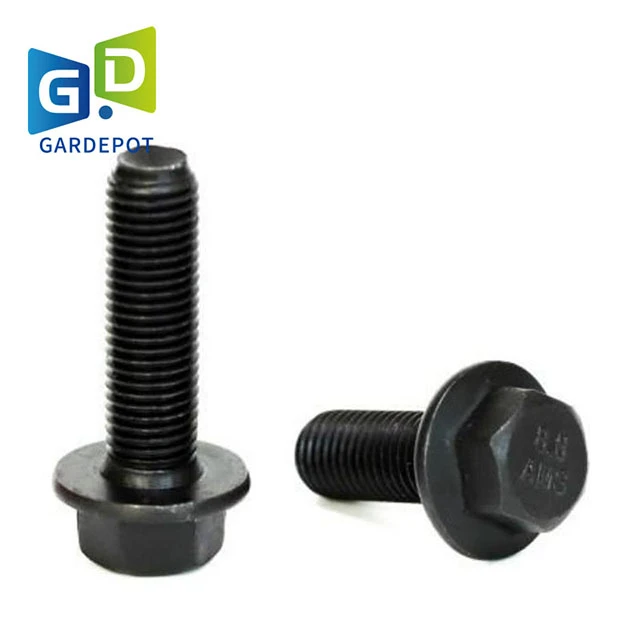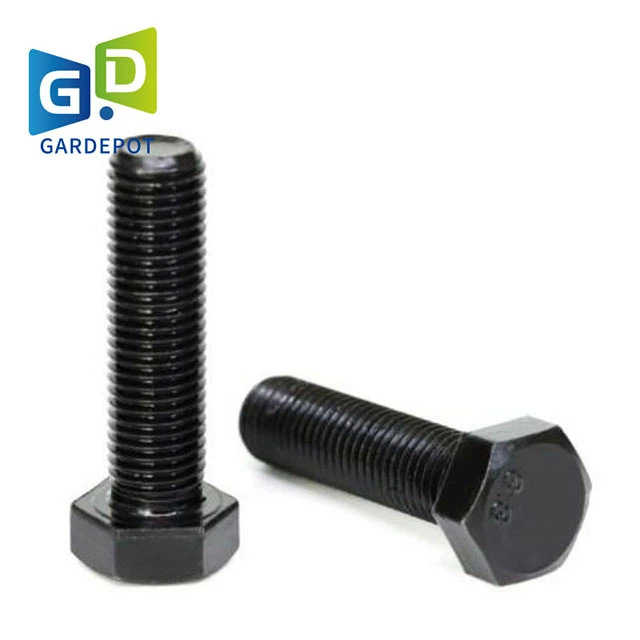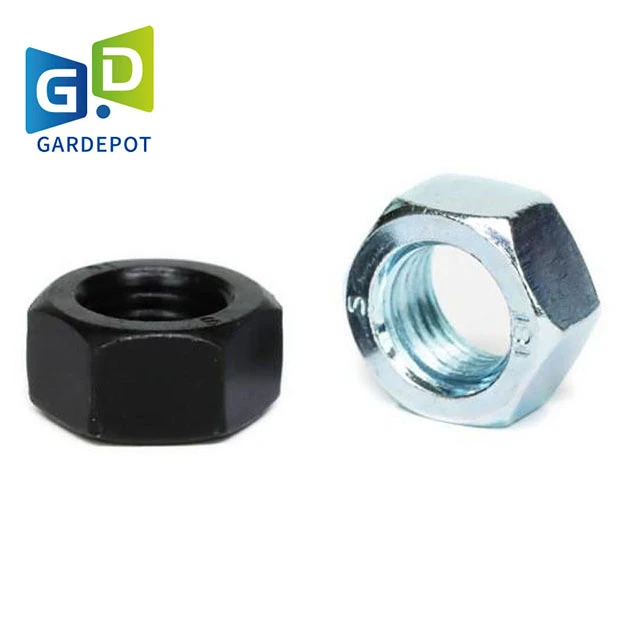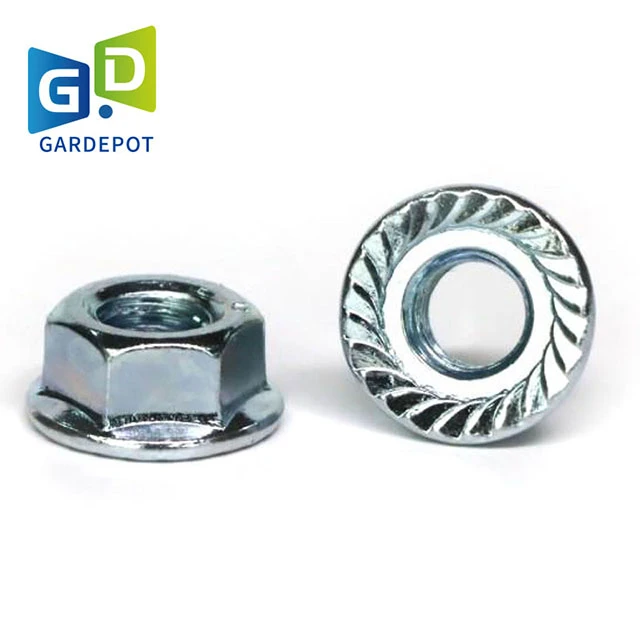
Galvanized hex bolts are widely used in construction, machinery, infrastructure, agricultural equipment, and outdoor installations. Their hexagonal heads allow convenient tightening with common hand tools and power tools, while the zinc coating helps protect the steel surface against corrosion. For projects exposed to moisture, changing weather conditions, or demanding working environments, choosing an appropriate galvanized fastener is an important part of maintaining connection reliability.
Bolt dimensions are just as important as material and coating selection. A fastener that is too short may not provide sufficient thread engagement, while an excessively long bolt may interfere with surrounding components. Among commonly specified inch-based sizes, 1/2 x 6, 1/2 x 7, and 1/2 x 8 galvanized hex bolts offer different length options for various assembly requirements. Understanding their differences can help buyers make more informed purchasing decisions.

1/2 x 6 Galvanized Hex Bolt for Standard Structural Connections
A 1/2 x 6 galvanized hex bolt has a nominal diameter of 1/2 inch and a nominal length of 6 inches. This size may be suitable for structural connections, equipment installation, wooden construction, and metal fabrication projects where the specified material thickness and fastening design require this combination of diameter and length.
The hexagonal head provides multiple contact surfaces for a wrench or socket, making installation and tightening straightforward. This design is especially practical in construction and maintenance work, where fasteners may need to be installed in different positions or accessed with standard tools. The relatively long shank can accommodate thicker connected materials, depending on the bolt's thread length and joint configuration.
Galvanization is another important feature. A zinc coating creates a protective barrier between the underlying steel and the surrounding environment. Depending on the galvanizing process, coating thickness, and service conditions, this protection can help reduce corrosion and extend the useful life of the fastener. Hot-dip galvanized bolts are often considered for outdoor structural applications, while other zinc-coated options may be used in less demanding environments.
Before choosing a 1/2 x 6 galvanized hex bolt, buyers should confirm the required thread type, thread pitch, bolt grade, and coating specification. The connection design should also determine whether a nut, washer, or additional locking component is needed. For load-bearing applications, the fastener's mechanical properties must be checked against engineering requirements rather than relying on dimensions alone.
1/2 x 7 Galvanized Hex Bolt for Versatile Installation Needs
A 1/2 x 7 galvanized hex bolt provides an additional inch of nominal length compared with the 1/2 x 6 version while maintaining the same nominal diameter. This makes it a potential option for assemblies involving thicker materials, additional mounting components, or a different required thread engagement depth.
In construction projects, fastening conditions are not always identical. Steel plates, timber sections, mounting brackets, and supporting components may have different thicknesses. A longer bolt can help accommodate these variations when the connection design specifies sufficient clearance and engagement. It may also be useful when washers or other approved fastening accessories are included in the assembly.
The galvanized surface makes this bolt suitable for applications where corrosion protection is an important purchasing consideration. It may be used in outdoor equipment, agricultural structures, fencing systems, utility installations, and general industrial projects. However, the actual corrosion resistance depends on the coating method, coating quality, environmental exposure, and maintenance conditions.
When installing a 1/2 x 7 galvanized hex bolt, correct tightening is essential. Excessive tightening can damage threads or connected materials, while insufficient tightening may result in an unstable joint. Buyers should follow the recommended installation procedures for the relevant bolt grade and assembly. Where the application involves vibration or dynamic loading, suitable joint design and approved anti-loosening measures should also be considered.
For distributors and contractors, maintaining consistent product specifications is important when purchasing this size in bulk. Confirming dimensions, coating requirements, packaging quantities, and applicable standards before ordering can help reduce product mismatches and improve project coordination.
1/2 x 8 Galvanized Hex Bolt for Longer Fastening Applications
A 1/2 x 8 galvanized hex bolt is the longest of the three sizes discussed here. With a nominal diameter of 1/2 inch and a nominal length of 8 inches, it may be selected for assemblies that require greater fastening reach. Potential applications include certain structural connections, heavy equipment mounting arrangements, timber structures, and industrial installations involving multiple connected layers.
Its extended length can provide flexibility when the fastening point passes through thicker materials. Nevertheless, a longer bolt is not automatically stronger or more suitable. The actual performance of a bolted connection depends on factors such as bolt grade, thread engagement, material strength, joint design, and installation torque. Engineers should verify that the selected bolt meets the required load conditions and that the exposed portion does not create interference or safety concerns.
Corrosion protection is particularly relevant when long fasteners are used outdoors. A galvanized coating helps protect the steel surface from environmental exposure, making the product a practical option for selected construction and infrastructure applications. In coastal, chemical, or highly corrosive environments, buyers should evaluate whether the specified coating provides adequate protection or whether a different material or protective system is necessary.
When sourcing a 1/2 x 8 galvanized hex bolt, purchasers should pay attention to the overall length measurement method and thread configuration. Some product specifications define bolt length from beneath the head to the end, while other fastener types may use different measurement conventions. Confirming the drawing or standard avoids confusion during procurement.
Important Factors When Buying Galvanized Hex Bolts in Bulk
Selecting the correct length is only the first step in purchasing galvanized hex bolts. Buyers should review the complete technical specification, including nominal diameter, length, thread pitch, thread coverage, head dimensions, material grade, and galvanizing method. These details determine whether a fastener can be installed correctly and perform as intended.
The difference between 6-inch, 7-inch, and 8-inch bolts should be evaluated according to the actual thickness of the connected components and the required thread engagement. Using a bolt that is too short may compromise the connection, while choosing one that is unnecessarily long can increase cost and create installation difficulties.
Supplier evaluation is equally important. A reliable galvanized hex bolt manufacturer should be able to provide clear product specifications, consistent dimensional quality, suitable coating options, and relevant inspection documentation. For larger orders, buyers may request samples or confirm quality requirements before mass production. Packaging and labeling should also clearly identify the size and product specification to support warehouse management and installation.
Ultimately, the best galvanized hex bolt is the one that meets the project's dimensional, mechanical, and environmental requirements. By comparing the 1/2 x 6, 1/2 x 7, and 1/2 x 8 options carefully, contractors, manufacturers, and distributors can improve purchasing accuracy and support reliable fastening performance across a wide range of applications.