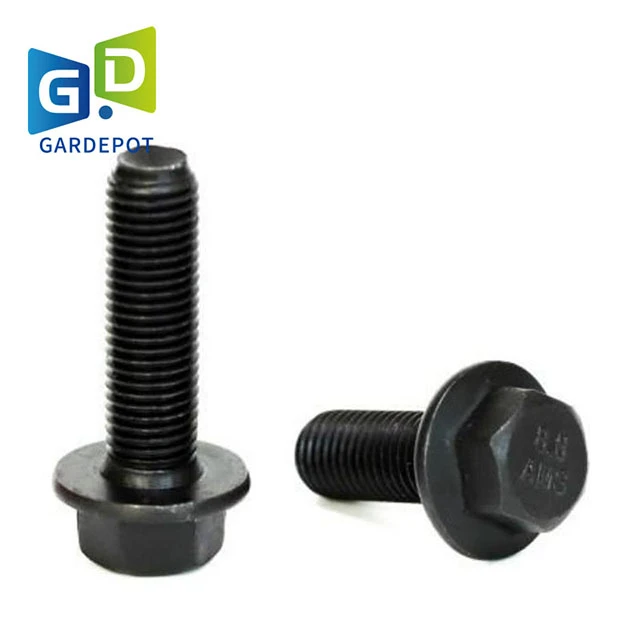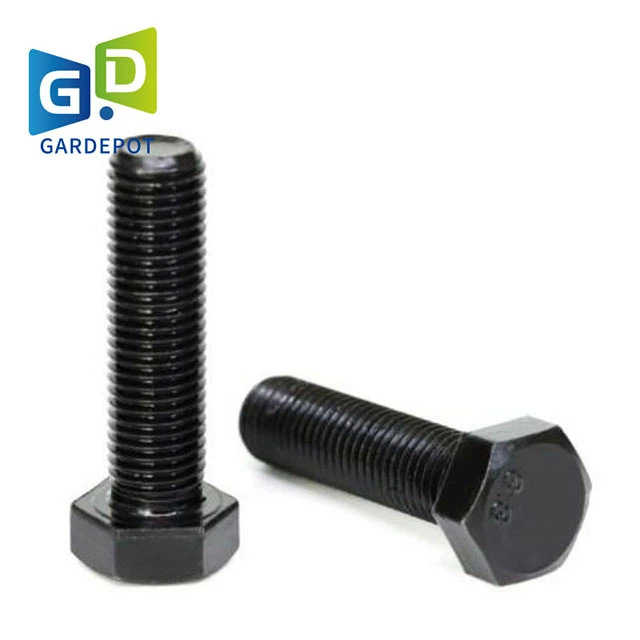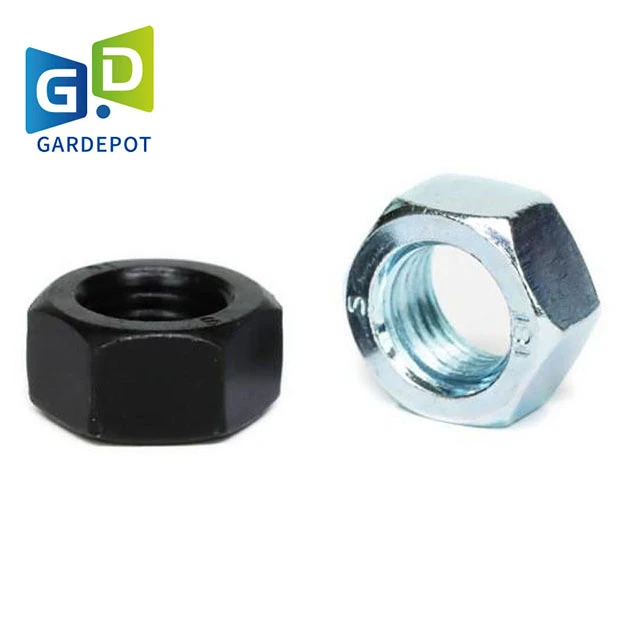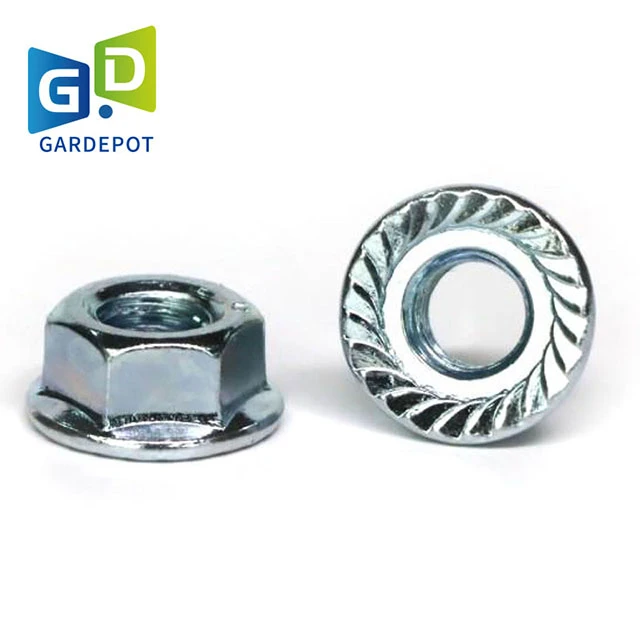
Ask ten people in the fastener trade to explain the difference between a mild steel screw and a carbon steel screw, and you will likely receive ten variations of the same muddled answer. Some will insist they are identical. Others will claim one is stronger, or that mild steel is a distinct material category unrelated to carbon content. The confusion is understandable — the terminology overlaps, marketing literature uses the terms loosely, and few suppliers bother to explain the metallurgy behind their catalog descriptions. This article separates the two concepts, explains where mild steel fasteners fit in the broader fastener landscape, and offers practical guidance for specification.

The Metallurgical Truth Behind the Mild Steel Screw
The starting point is a simple fact that resolves most of the confusion: a mild steel screw is a carbon steel screw. Mild steel is not a separate metal. It is a specific grade within the carbon steel family, defined by its low carbon content — typically between 0.05% and 0.25% by weight. The term "mild" refers to the material's relatively soft, ductile character compared with medium-carbon and high-carbon steels, which contain progressively more carbon and respond more dramatically to heat treatment.
Because mild steel sits at the low end of the carbon spectrum, it cannot be hardened to the levels required for drill points or high-strength structural fasteners. What it offers instead is exceptional formability, weldability, and toughness. Mild steel wire draws cleanly into complex thread profiles, bends without cracking, and absorbs impact without shattering. These properties make it ideal for a wide range of general-purpose fasteners where extreme hardness is unnecessary.
It is also worth noting what mild steel is not. It is not stainless steel, which contains chromium as its primary alloying element. It is not an alloy steel, which incorporates elements such as nickel, chromium, or molybdenum to achieve specific properties. And it is not a coating — the zinc plating, galvanizing, or black oxide frequently applied to mild steel fasteners changes the surface, not the underlying metallurgy.
Why Carbon Steel Screw Terminology Causes Problems
The phrase carbon steel screw functions as an umbrella term covering every iron-carbon alloy from the softest commercial-quality mild steel to high-carbon tool steels approaching 2% carbon. This breadth is precisely why the terminology creates difficulty. When a supplier advertises a carbon steel screw, the buyer has no way of knowing whether the fastener is mild steel suitable for light assembly, or a medium-carbon product heat-treated for structural service. The label alone is insufficient.
In practice, the industry frequently uses "carbon steel" as shorthand for medium-carbon grades such as 1022, 1035, or 1045, which can be quenched and tempered to achieve Rockwell C hardness in the 40s or higher. Self-drilling screws, structural screws, and high-strength bolts typically fall into this category. Mild steel fasteners, by contrast, are usually soft enough to be formed rather than machined from hardened stock, and their strength comes from geometry and cross-section rather than heat treatment.
This terminological looseness has real consequences. A specifier who requests "carbon steel screws" for an application requiring hardened drill points may receive mild steel fasteners that cannot penetrate steel. Conversely, a buyer seeking economical mild steel screws for interior assembly may be quoted hardened carbon steel products at a higher price with no functional benefit. Precision in specifying is not pedantry — it prevents both underperformance and overspending.
Mild Steel Fasteners: Where They Belong
Understanding the strengths of mild steel fasteners clarifies their appropriate applications. Their low carbon content delivers several practical advantages.
Ductility is the foremost characteristic. Mild steel fasteners deform rather than fracture under overload. In connections subject to vibration, thermal cycling, or minor movement, this ductility allows the fastener to yield gradually instead of snapping suddenly. Brittle high-carbon fasteners can fail without warning; mild steel gives visible indications of distress before catastrophic failure.
Formability supports complex geometries. Specialty head shapes, unusual thread forms, and custom configurations are easier and cheaper to produce from mild steel than from harder grades. This makes mild steel the material of choice for decorative fasteners, specialty hardware, and low-volume custom runs.
Cost efficiency is substantial. Mild steel is the least expensive ferrous fastener material, and it machines and forms quickly. For high-volume interior applications, the savings compared with hardened or stainless alternatives can be considerable.
Weldability matters in fabrication contexts. Mild steel fasteners can be welded to mild steel structures without the preheating, post-heating, or specialized procedures required for higher-carbon or alloy steels.
Typical uses include furniture assembly, interior cabinetry, drywall and panel attachment in protected environments, general repair work, and non-structural connections where corrosion exposure is minimal. With appropriate plating, mild steel fasteners also serve in light-duty outdoor applications where long service life is not critical.
Specification Steel Fasteners Guidance for Buyers and Specifiers
The practical takeaway is to specify by properties rather than by vague category names. State the required hardness or tensile strength. State the corrosion resistance required and the exposure environment. State whether the fastener must drill its own hole. These functional requirements map cleanly onto specific material grades, whereas "carbon steel" alone does not.
When mild steel is appropriate, say so explicitly and request confirmation of carbon content. When hardened carbon steel is required, specify the grade and heat treatment. When corrosion resistance is the priority, move to stainless steel or coated systems designed for the exposure. And always verify that the supplier understands the distinction — a conversation about carbon percentage and hardness will quickly reveal whether the quoted product matches the application.
Mild steel and carbon steel are not competitors. Mild steel is a subset of carbon steel, distinguished by low carbon content, high ductility, and economical cost. The confusion between them is a language problem, not a materials problem. Clearing it up at the specification stage prevents the wrong fastener from ending up in the wrong place — which is, after all, the only outcome that truly matters.