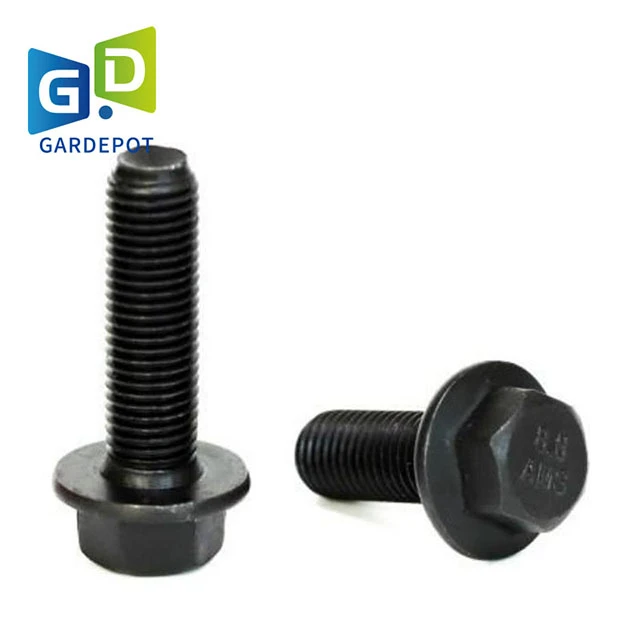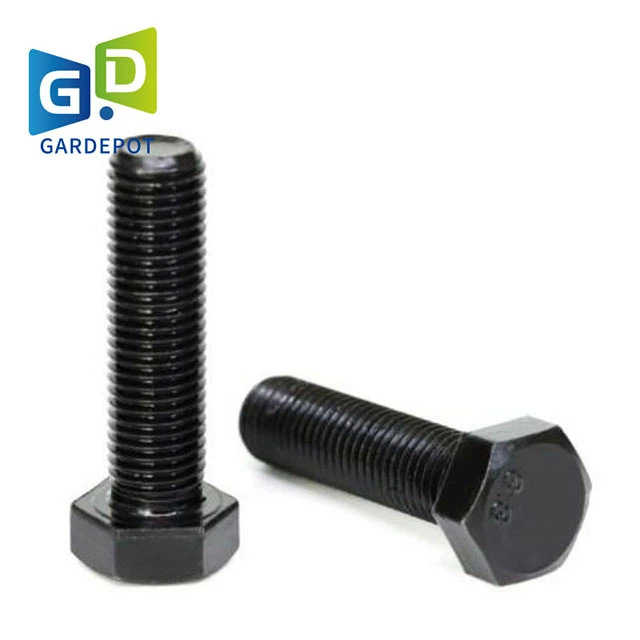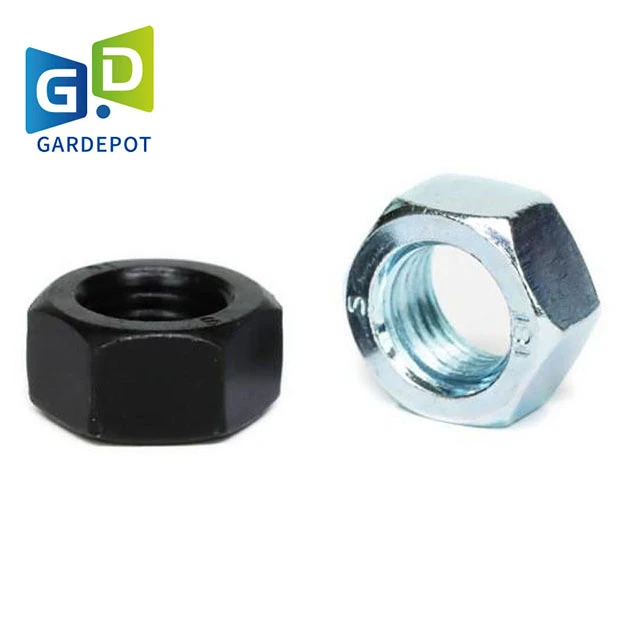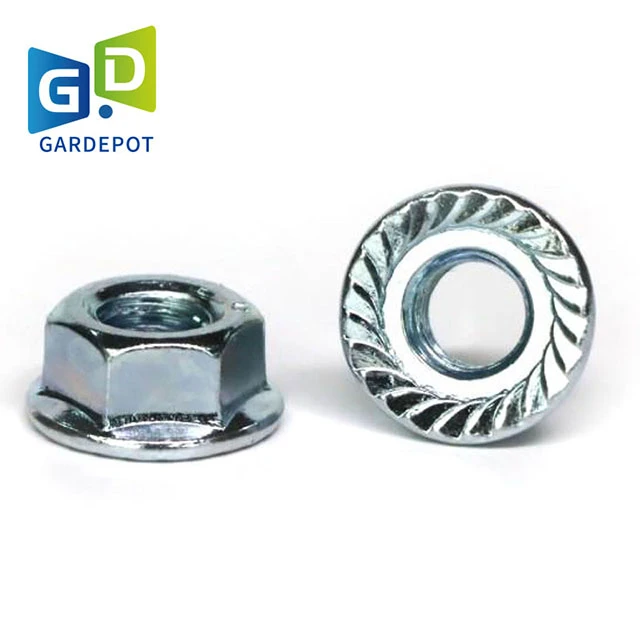
Fasteners are essential components in construction, manufacturing, machinery assembly, automotive production, and many other industries. Although they are often small compared with the structures they connect, their quality directly affects assembly efficiency, connection strength, and long-term performance. Selecting the right fasteners requires careful consideration of material, dimensions, load requirements, environmental conditions, and manufacturing standards.
For buyers searching for fasteners for sale, understanding the differences between stainless steel fasteners and other metal fasteners can help simplify purchasing decisions. Whether you are a distributor, contractor, equipment manufacturer, or industrial procurement specialist, choosing a dependable supplier is an important step toward maintaining product consistency and controlling project costs.

What to Consider When Looking for Fasteners for Sale
Finding suitable fasteners for sale involves more than comparing unit prices. Buyers should evaluate product specifications, material quality, available sizes, surface treatments, and the supplier's ability to meet delivery requirements. These factors influence both the immediate installation process and the long-term reliability of the finished assembly.
First, identify the application and the type of connection required. Bolts and nuts are commonly used where components may need to be disassembled, while screws can provide convenient fastening for wood, metal sheets, machinery housings, and other materials. Washers help distribute loads or protect contact surfaces, depending on their design and application.
Next, confirm the dimensions and mechanical requirements. Thread diameter, thread pitch, length, head style, and strength grade should match the intended assembly. Even a small dimensional mismatch can create installation difficulties, increase maintenance needs, or compromise the connection.
Material selection is equally important. Indoor furniture assembly may require different corrosion resistance and mechanical properties from outdoor infrastructure or industrial equipment exposed to moisture and chemicals. Buyers should also consider operating temperature, vibration, exposure to corrosive substances, and expected service life.
For wholesale orders, consistency between production batches is another important consideration. A qualified manufacturer should be able to provide clear specifications, inspection records where applicable, and information about relevant standards. Requesting samples before placing a large order can help buyers assess dimensions, surface finish, and compatibility with their applications.
By evaluating these requirements before purchasing, businesses can select fasteners that balance performance, availability, and overall project cost.
Why Stainless Fasteners Are Suitable for Corrosion-Sensitive Environments
Stainless fasteners are widely used in applications where corrosion resistance, appearance, and maintenance requirements are important. Manufactured from stainless steel alloys containing chromium, these fasteners develop a passive surface layer that helps protect the underlying metal from corrosion.
Common stainless steel grades include 304 and 316. Grade 304 is frequently used for general-purpose applications, including indoor equipment, furniture, building components, and many outdoor installations. Grade 316 contains molybdenum, which generally improves resistance to chloride-related corrosion. It is often considered for marine environments, coastal facilities, and certain chemical-processing applications.
However, stainless steel is not completely corrosion-proof. Performance depends on the specific grade, surrounding environment, surface condition, and maintenance practices. Exposure to salt, aggressive chemicals, deposits, or unsuitable combinations of metals may still lead to corrosion problems.
Stainless fasteners are particularly useful for outdoor architectural structures, food-processing equipment, water-related installations, and industrial systems where frequent replacement would be inconvenient. Their clean appearance also makes them suitable for visible connections in decorative metalwork, commercial interiors, and modern building projects.
When purchasing stainless steel products, buyers should verify the material grade and ensure that the fastener's mechanical properties meet the intended load requirements. Stainless steel grades do not all offer identical strength, and some applications require careful attention to thread galling, tightening procedures, and compatibility with connected components.
For distributors and manufacturers, maintaining a range of stainless steel bolts, screws, nuts, and washers can help serve customers across multiple industries. Working with a supplier that offers consistent specifications and suitable packaging can also simplify inventory management and repeat purchasing.
How Metal Fasteners Support Different Industrial Applications
Metal fasteners provide reliable mechanical connections across a broad range of industrial and commercial applications. Depending on the design and material, they can support structural assemblies, equipment installation, product manufacturing, infrastructure development, and routine maintenance.
Carbon steel fasteners are commonly selected for applications requiring cost-effective strength and a wide choice of dimensions and strength grades. With suitable coatings or protective treatments, they can also be used in many environments where additional corrosion protection is necessary. Zinc-plated and hot-dip galvanized options, for example, may help protect steel fasteners against corrosion, although their suitability depends on the exposure conditions and applicable specifications.
Stainless steel is another important option when corrosion resistance is a priority. Other metal alloys may be appropriate for specialized applications involving elevated temperatures, reduced weight, or particular mechanical requirements. The best choice depends on the operating environment rather than material name alone.
In construction, metal fasteners connect structural components, install fixtures, and secure building systems. In manufacturing, they help assemble machines, electrical enclosures, production equipment, and consumer products. Automotive and transportation applications require fasteners that meet specific strength, durability, vibration, and safety requirements.
Selecting fasteners also involves understanding how different components work together. A bolt, nut, and washer combination should be compatible in size, material, strength, and surface treatment. Using dissimilar metals in a corrosive environment may introduce galvanic corrosion risks, while incorrect tightening can damage threads or affect joint performance.
Industrial buyers should therefore review drawings, technical specifications, and relevant standards before confirming an order. For critical structural or safety-related connections, engineering guidance is essential. Choosing products based on verified requirements rather than price alone helps reduce installation problems and unexpected maintenance expenses.
How to Select a Dependable Fastener Manufacturer and Supplier
Choosing a reliable supplier is an important part of a successful fastener purchasing strategy. Buyers need products that meet their specifications, arrive on schedule, and remain consistent across repeat orders. This is particularly important for wholesalers, construction companies, equipment manufacturers, and businesses managing large procurement programs.
Start by reviewing the supplier's product range. A manufacturer offering multiple sizes, thread types, head designs, material options, and surface treatments may make sourcing easier by consolidating several purchasing requirements with one partner.
Manufacturing capability should also be evaluated. Ask about dimensional inspection, material verification, production controls, and quality documentation relevant to the products being purchased. Depending on the application, buyers may require certificates, traceability information, or compliance with recognized standards such as ISO, ASTM, or DIN. The specific requirements should be confirmed for each product rather than assumed to apply to every item a supplier sells.
Customization can be valuable when standard fasteners do not meet project requirements. Some suppliers can provide special dimensions, nonstandard configurations, specific finishes, or customized packaging. Before approving custom production, confirm the technical drawings, tolerances, minimum order quantities, sample requirements, and lead times.
For international purchasing, communication and logistics are equally important. Clear quotations should specify material, dimensions, grade, surface treatment, quantity, packaging, and delivery terms. Buyers should also establish how product substitutions, quality issues, and repeat orders will be handled.
A dependable supplier should help customers identify suitable options without making unsupported claims about performance or certification. Requesting samples, reviewing documentation, and confirming specifications in writing can reduce purchasing risks and support long-term cooperation.
Ultimately, successful fastener sourcing combines appropriate engineering specifications with consistent manufacturing quality and responsive supplier support.
Conclusion
Choosing the right fasteners starts with understanding the demands of the application. Buyers exploring fasteners for sale should compare specifications, quality controls, material options, and supplier capabilities instead of focusing exclusively on price. Stainless fasteners are valuable for many corrosion-sensitive environments, while other metal fasteners provide a wide range of strength, cost, and application options.
By confirming technical requirements and working with an experienced supplier, businesses can improve purchasing efficiency, maintain consistent product quality, and build dependable connections across construction, manufacturing, and industrial projects. Contact a qualified fastener supplier to discuss your required sizes, materials, finishes, and order quantities.