A threaded bolt or fully threaded rod is useful when a connection needs continuous engagement, a suspended fixing point, or the ability to adjust the final position with nuts on one or both ends. Gardepota lists Threaded Bolt as a Fasteners subcategory and the keyword table includes fully threaded bolts, long threaded bolt, threaded rod bolt, full threaded rod, and several metric and imperial sizes. The purchase decision starts with the connection and access, not only with the nominal diameter.

Fully Threaded and Partially Threaded Bolts Behave Differently
A fully threaded piece gives the installer engagement along its length and can be cut or positioned for a range of assemblies. A partially threaded bolt may provide an unthreaded shank through a shear plane. The correct form depends on whether the joint needs clamping, adjustment, suspension, or a fixed bearing surface. Describe the joint movement and the required exposed length so the supplier can identify the appropriate product.
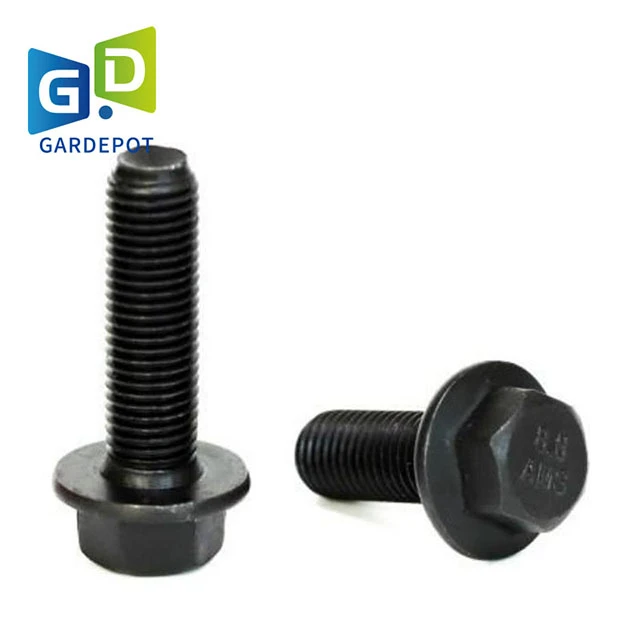
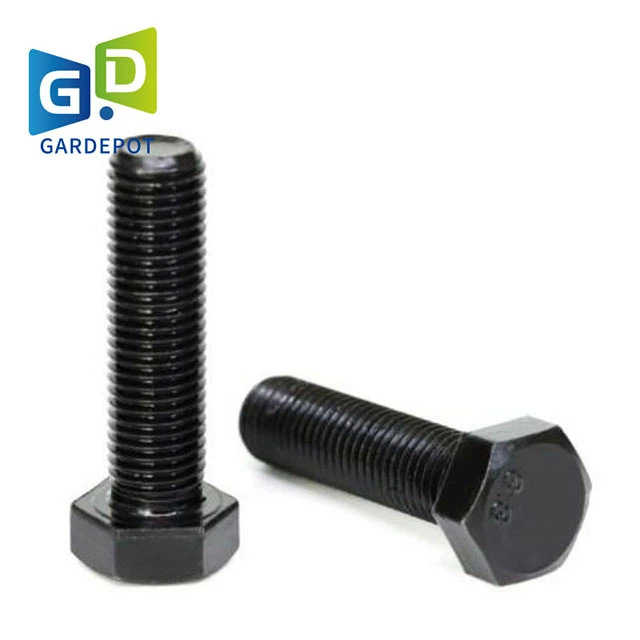
A fully threaded bolt is useful when the joint needs thread engagement close to the head or when the connected thickness varies. The continuous thread gives the installer more freedom to set the clamp position, which can be helpful in brackets, equipment supports and repair work. It also means the thread may cross a shear plane, so the joint designer should check whether that is acceptable for the load case. Buyers should specify diameter, thread pitch, length, head style and grade together. A product photograph does not show enough information to distinguish a fully threaded bolt from a partially threaded form.
Threaded Bolt Size Systems and Lengths Must Be Written Clearly
The table includes searches for full threaded rod 1/4, 3/8, 10 mm, 50 mm, 60 mm, 70 mm, and other size combinations. Metric and imperial sizes can look similar in a catalogue but are not interchangeable. A purchase order should state diameter, pitch, total length, material, finish, and nut compatibility. For long threaded bolts, also consider packaging and straightness during transport because bent pieces are difficult to feed into frames or channels.
Threaded rod is chosen when the required connection length is longer than a standard bolt or when a hanger, anchor or support needs adjustment at both ends. It can be cut to length and combined with nuts and washers, which makes it practical for suspended services and equipment framing. The cut end should be cleaned so the nut starts smoothly, and the remaining exposed thread should be protected if the location is damp or corrosive. Rod diameter and thread system must match the nuts and couplers used by the installer. A schedule that lists only "threaded rod" leaves too much room for substitution.
Threaded Bolt Material and Coating Follow the Service Environment
Gardepota describes fastener materials including carbon steel, stainless steel, bimetal, and coating processes such as galvanized, Ruspert, paint, and electrophoresis. A threaded rod inside a dry assembly may need a different finish from one used outdoors or near moisture. Coating thickness can affect nut fit, and stainless steel may be selected when corrosion resistance is more important than the lowest initial price. Request material and finish details together with a sample nut.
Material selection follows the environment and the load path. Zinc plated or galvanized carbon steel may be suitable for general indoor or protected construction, while stainless threaded rod can be specified where moisture and maintenance access make corrosion resistance more important. The nuts, washers and anchors should be reviewed with the rod so the assembly does not contain a weak or incompatible component. If the rod passes through insulation or a façade bracket, consider thermal movement and the possibility of water tracking along the thread. The right choice comes from the complete detail rather than the material label alone.
Buying Threaded Bolts and Threaded Rod in Bulk
For a wholesale request, list the assembly, diameter, pitch, length, end condition, coating, nut and washer pairing, quantity, package method, and delivery schedule. If the rod will be cut on site, state the required full length and the cutting process. Gardepota says it provides R&D and production support and accepts customization for customer needs. That makes a clear drawing useful when the threaded connection is part of a repeatable bracket or structural subassembly rather than a standard shelf item.
For batch purchasing, list cut lengths separately from standard stock lengths and identify the matching nuts and washers. This prevents a site team from cutting a corrosion resistant rod with an unsuitable tool or using a nut from another thread system. If the project has several support heights, a simple packing list by location reduces waste and makes installation progress easier to check. Keep a small quantity of spare couplers and nuts where maintenance access is limited, because a missing accessory can delay an otherwise complete installation. The final inspection should verify exposed thread, washer seating and that no damaged thread has been forced into a nut.
Cutting, Joining and Installing Fully Threaded Fasteners
Threaded fasteners are easy to adapt, but field cutting can introduce burrs and shorten the useful engagement. Use a method that leaves a clean end, run a nut over the thread before cutting where practical, and remove swarf before assembly. Couplers are helpful for extending a rod, but the joint should have enough engagement on both sides and remain accessible for tightening. During installation, avoid forcing a nut over damaged thread because it can seize and make future maintenance difficult. Recording the final rod length and nut position also helps when the same support must be repeated across a project.
Threaded rod is chosen when the required connection length is longer than a standard bolt or when a hanger, anchor or support needs adjustment at both ends. It can be cut to length and combined with nuts and washers, which makes it practical for suspended services and equipment framing. The cut end should be cleaned so the nut starts smoothly, and the remaining exposed thread should be protected if the location is damp or corrosive. Rod diameter and thread system must match the nuts and couplers used by the installer. A schedule that lists only "threaded rod" leaves too much room for substitution.