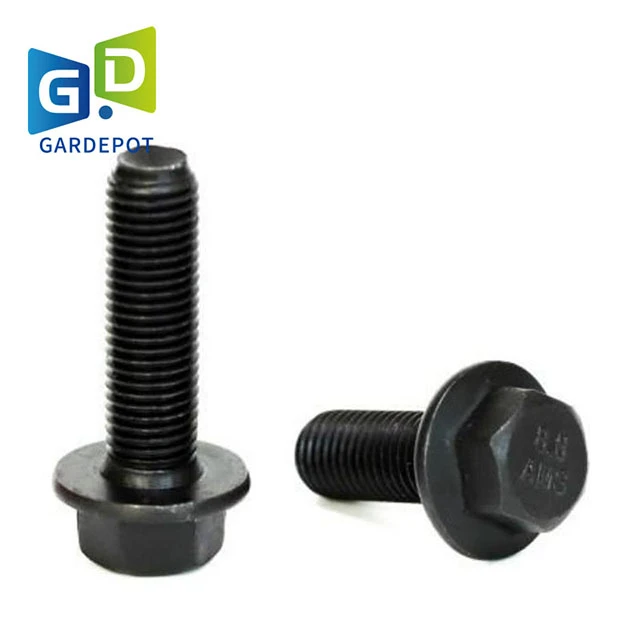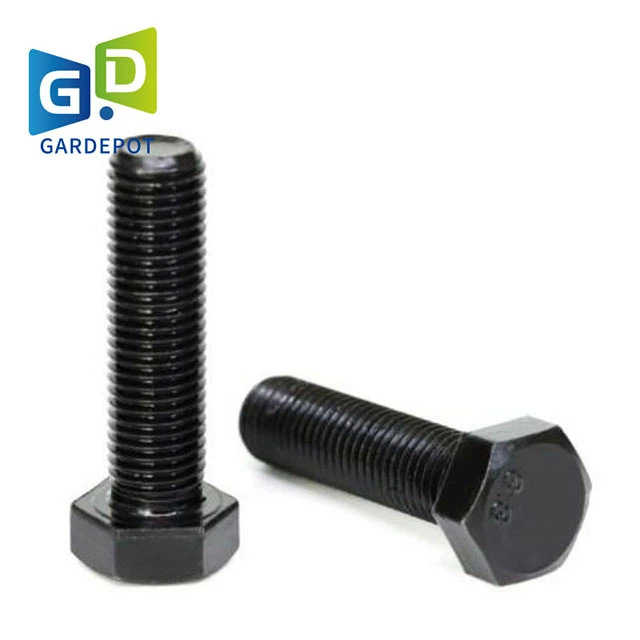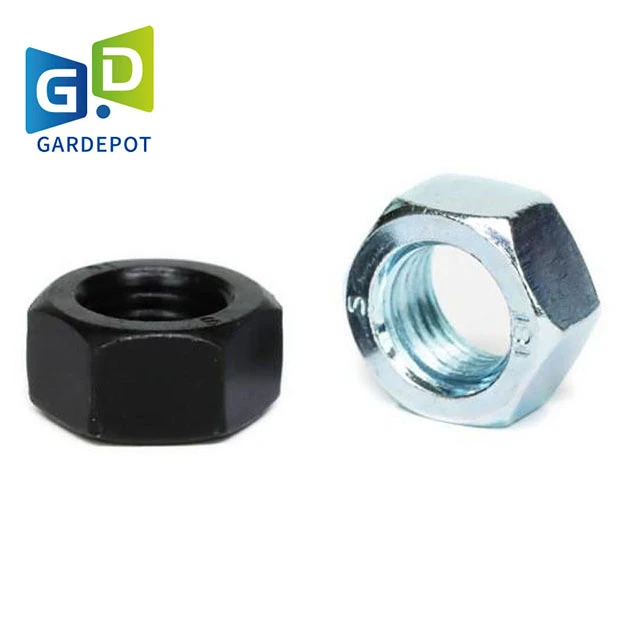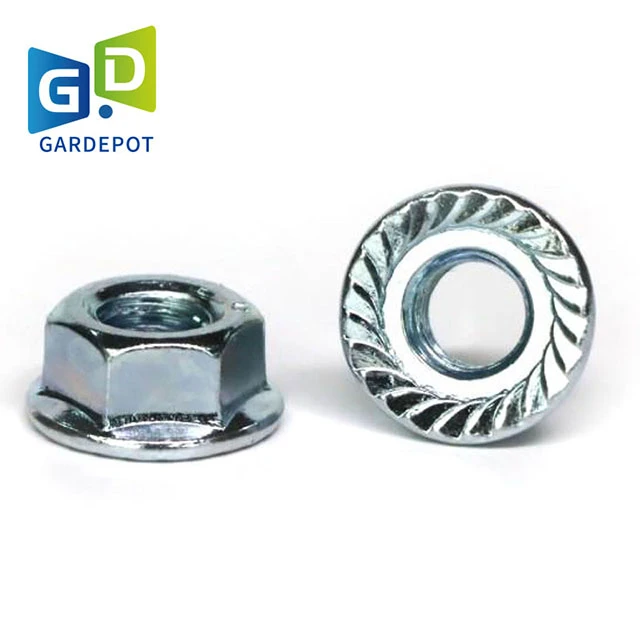
When a buyer searches for hex bolts for sale, the important question is usually the complete joint: bolt, nut, washer, hole, load, and access for tightening. Gardepota's Fasteners pages separate Bolt and Nut products and list HEX BOLT, HEX FLANGE BOLT, HEX NUT, and HEX FLANGE NUT. This range reflects a practical purchasing point. The bolt head and nut must work together with the joint design and installation tool.

Hex and flange forms solve different bearing problems
A standard hex bolt normally relies on a separate washer when the joined material needs a broader bearing surface. A flange bolt includes an integrated bearing flange under the head. The corresponding flange nut can spread load on the nut side as well. A buyer should not substitute one form simply because the thread diameter matches. Thin sheet, painted panels, slotted holes, and softer materials can need the larger bearing area provided by a flange or washer.
Thread engagement and length should be checked together
The bolt must pass through the joined materials and leave enough thread for the nut to engage fully. Excess length can interfere with moving parts or create an installation hazard, while insufficient engagement reduces the usable joint. For bulk hex bolts, list diameter, thread pitch, length under the head, thread length, grade or material, and nut pairing. Metric and imperial descriptions must remain separate in the purchase order so a similar-looking size is not packed by mistake.
Coating and material follow the environment
Gardepota describes fastener materials that include carbon steel, stainless steel, bimetal, and coated options. Indoor machinery, exterior frames, humid service areas, and coastal projects place different demands on the surface. A coating may provide the corrosion protection required for a carbon steel bolt, while stainless steel may be selected for longer exposure or a visible architectural finish. Ask for the actual material and coating rather than relying on a generic label such as metal fastener.
A wholesale specification avoids assembly delays
A useful inquiry includes the bolt, nut, washer or flange choice, size system, quantity, finish, packing, and intended application. It should also state whether the joint will be tightened by hand tools, impact tools, or a controlled torque process. Suppliers can then quote a matched assembly rather than separate parts that require a second compatibility check. When the joint is used in equipment or construction, a small sample approval is a practical way to confirm fit before ordering wholesale hex bolts in production quantities.
Hex bolts and nuts should be specified as an assembly
A hex bolt order is rarely complete without the matching nut, washer and finish. The bolt diameter indicates the nominal size, but the joint also depends on thread pitch, length, grade and the clearance through the connected parts. A washer can protect a coated face or spread pressure on a softer material, while a flange nut or flange bolt may provide a broader bearing surface without a separate washer. Buyers comparing hex bolts for sale should therefore compare the assembled joint rather than the bolt head alone. A sample set makes it easier to confirm that the nut runs freely, the wrench access is practical and the finished thread engagement matches the drawing.
Hex bolt dimensions that matter during fabrication
Fabricators usually need more than nominal diameter. Record the under-head length, threaded length, head width, head height and thread pitch when the joint has limited clearance. Partially threaded bolts can leave a plain shank across a shear plane, while fully threaded forms offer adjustment along the connection. The choice affects how parts clamp and how much thread is exposed after tightening. If a joint is painted or galvanized, allow for coating thickness when checking nut fit. A consistent dimensional description helps a distributor source the same item from different production batches without changing the installed geometry.
Matching nuts, washers and finishes to the working environment
The nut and washer should be compatible with the bolt material and the surrounding environment. Galvanized carbon steel may suit general structural work, whereas stainless assemblies can be chosen for damp or coastal locations when the design calls for it. Mixing finishes without checking galvanic effects can create problems at the joint. Washer outside diameter matters on slotted holes, thin sheet and timber plates because the bearing area controls local deformation. For maintenance projects, keep a record of the wrench size and replacement nut style. This allows the service team to replenish a complete fastener assembly rather than improvising with a similar looking part.
Quality checks for bulk hex bolt supply
A receiving inspection for hex bolts does not need to be complicated. Count the boxes, verify the label against the purchase order, and sample the diameter, length and thread engagement with a gauge or matching nut. Look for damaged threads, burrs under the head and inconsistent plating. If the project requires a specified mechanical grade, the documentation should identify that grade rather than using a vague term such as heavy duty. Photos of the approved sample can be attached to the internal item record. These checks protect production when thousands of bolts and nuts are delivered for a frame, machine base or equipment enclosure.
Checking torque and access in a hex bolt assembly
Before approval, confirm that the selected wrench can reach the head and nut without striking nearby plates or covers. The tightening method should leave enough room for inspection and future removal. This practical check often changes the preferred head or washer, even when the nominal bolt size remains unchanged.