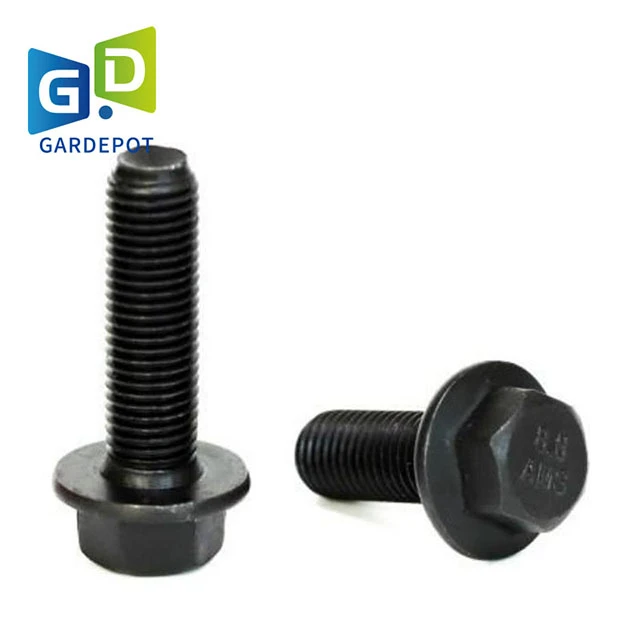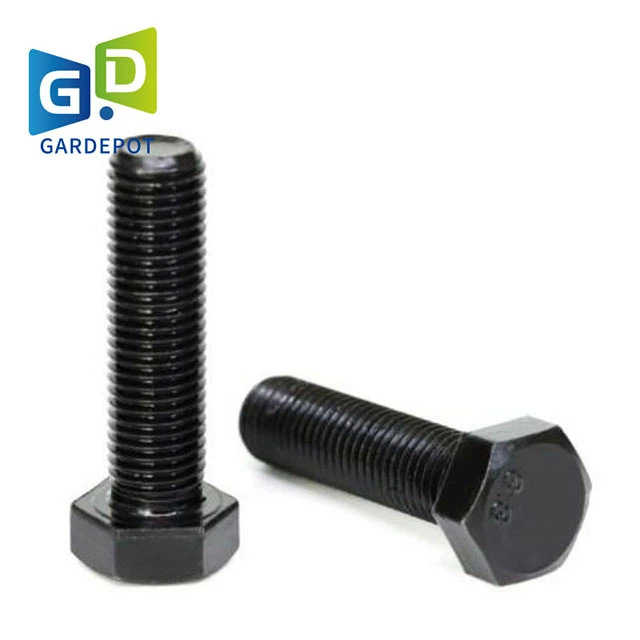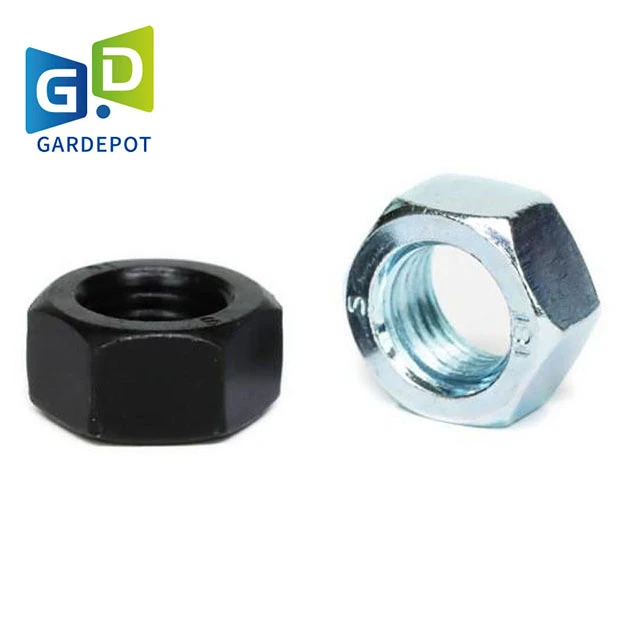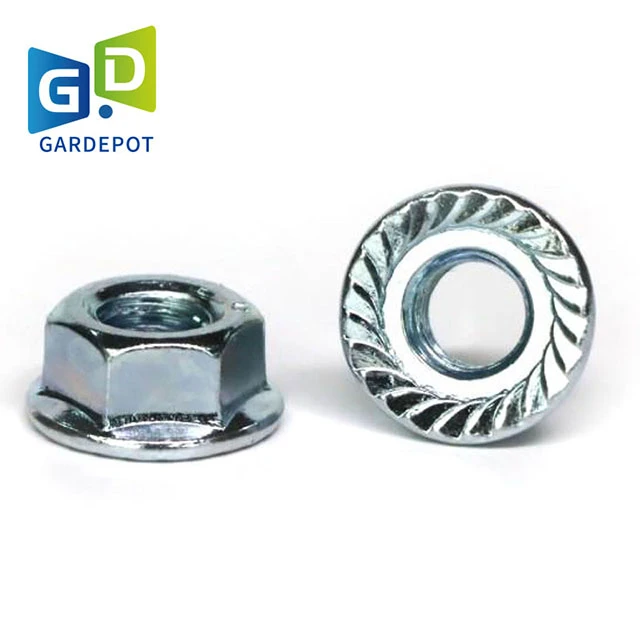
A screw that works inside a dry workshop may be a poor choice for a façade, deck, marine fitting, or exterior equipment enclosure. Moisture, salt, vibration, and the material being joined all influence the specification. Buyers comparing stainless steel screws wholesale should begin with the environment and the joint, then review head style, thread, length, and quantity. Gardepota lists stainless steel screws within its Fasteners range and describes the product for construction, automotive, marine, electronics, and general assembly applications.

A2 and A4 stainless steel serve different conditions
The website product information identifies A2 304 and A4 316 as common stainless steel options. A2 is used for general outdoor and indoor work where ordinary humidity is the main concern. A4 contains molybdenum and is selected more often for chloride exposure, coastal construction, shipbuilding, and offshore work. This distinction matters when a buyer is planning stainless steel screws for sale for more than one market. The lowest unit price may not be the lowest project cost if a fastener is placed in an environment beyond its corrosion resistance.
Head and thread details affect installation
Stainless screws are available with different head types and thread patterns. A pan head can leave a visible bearing surface, while a flat or countersunk head sits closer to the face of the material. Self-tapping forms in the table are relevant when the screw must create its own thread in sheet metal or another suitable substrate. A machine screw is normally paired with a prepared thread or nut. The correct length should provide enough engagement without striking hidden components or passing through a finished panel.
Match the screw to the assembled materials
Construction buyers often use stainless screws with wood, metal, composite boards, concrete accessories, or plastic components. The substrate determines the point, thread pitch, pilot hole, and installation torque. In marine or exterior work, avoid creating a joint where dissimilar metals can accelerate corrosion. A clean driving bit, controlled torque, and a consistent pilot hole reduce damaged heads and over-tightening. These details matter when a project moves from a sample installation to a large production run.
What to include in a wholesale inquiry
A useful inquiry records grade, head type, drive, diameter, length, thread, finish, packaging, and destination market. Add drawings or a sample if the screw is part of a proprietary assembly. Gardepota states that its fasteners may use carbon steel, stainless steel, bimetal, and coating processes such as galvanized, Ruspert, paint, electrophoresis, and aluminum-magnesium coating. For stainless steel screws, ask which material and finish correspond to the required exposure, then compare samples before placing a bulk order. The right screw is the one that remains secure and serviceable after the surrounding structure has weathered.
Stainless steel screw size should follow the joint, not the catalogue image
For buyers comparing stainless steel screw size, the drawing should be read before the product list. Sheet thickness, insulation layers, pilot hole depth and the required thread engagement determine the useful length. A screw that is too short may hold only the outer skin, while an unnecessarily long screw can touch a hidden cable or make installation difficult. For timber, the threaded section needs enough purchase in the supporting member; for thin metal, the thread form and point often matter more than extra length. A clear schedule should state diameter, length, head style, drive, washer requirement and material grade for every position in the project. This removes a common source of substitutions during site work.
Choosing stainless steel screws for timber, metal and composite panels
The same stainless steel screw is not automatically suitable for every substrate. Coarse threads are generally easier to drive into timber and board materials, while fine threads can be more appropriate for thin metal sections when the screw is designed to form or cut a controlled thread. Composite panels may need a washer or a larger head to avoid surface damage. In exterior cladding, the screw head should sit neatly without crushing the panel coating. Buyers should also check whether the supplied driver bit matches the drive recess, because repeated cam-out increases installation time and damages the visible finish. A short trial installation on the actual panel stack is usually more informative than comparing catalogue photographs.
Stainless steel screw suppliers and the details that affect repeat orders
A purchasing team working with stainless steel screw suppliers should agree on a repeatable description rather than relying on a product name alone. The order should identify A2 304 or A4 316 where that distinction is required, together with diameter, length, head, point, thread and packaging. Sampling is useful for checking dimensions, drive fit and surface condition before a container order is released. It also gives the installer a chance to confirm drilling torque and seating height. When a project uses several lengths, a simple label system prevents the wrong screw being taken to the roof or façade. These details are practical, but they protect continuity when the same fastener must be reordered months later.
Installation checks for exterior stainless steel screws
On site, installation quality depends on more than the metal grade. The driver should be set to avoid over-tightening, especially in thin sheet or soft timber. A screw head that is driven below the surface can create a water trap or damage a coated panel; a head left proud can interfere with flashing and trim. Where a sealing washer is specified, it should sit flat and remain evenly compressed. Cut edges and dissimilar metals deserve attention as well. Cleaning swarf from a finished surface reduces staining, and separating stainless fasteners from carbon steel tools or storage bins can prevent unwanted contamination. These small controls help the selected **stainless steel screws** perform as intended over the service life of the assembly.