Fasteners are essential components in almost every construction, manufacturing, and mechanical assembly. A reliable connection depends not only on the strength of the materials being joined but also on the design and quality of the fastener. Threaded fasteners are especially valuable because they provide secure clamping while allowing assemblies to be installed, adjusted, maintained, and disassembled when required.
Among the many fastening options available, threaded bolt, long threaded bolt, and fully threaded bolts are commonly selected for different structural and industrial requirements. Although they share a similar basic function, their dimensions and thread configurations can significantly affect installation and performance. Understanding these differences can help contractors, engineers, manufacturers, and distributors make more appropriate purchasing decisions.

Threaded Bolt Designs for Secure Mechanical Assembly
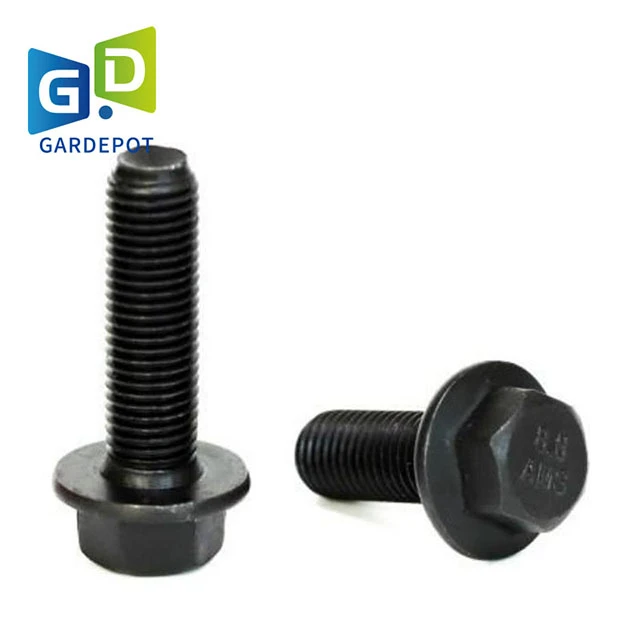
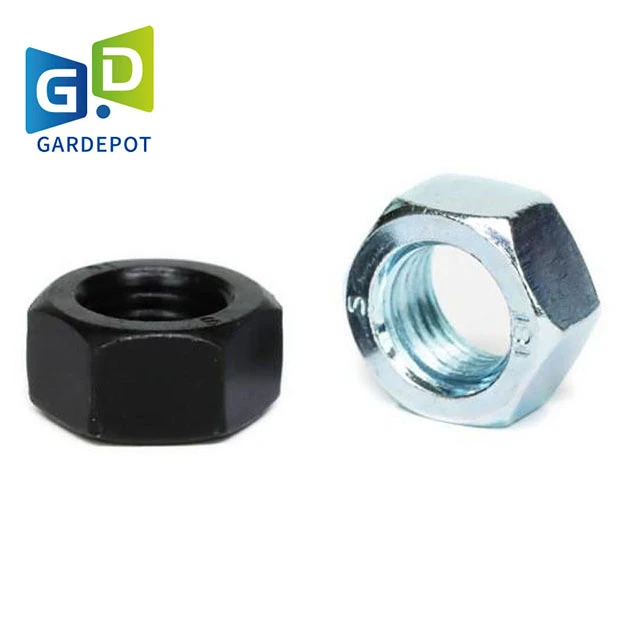
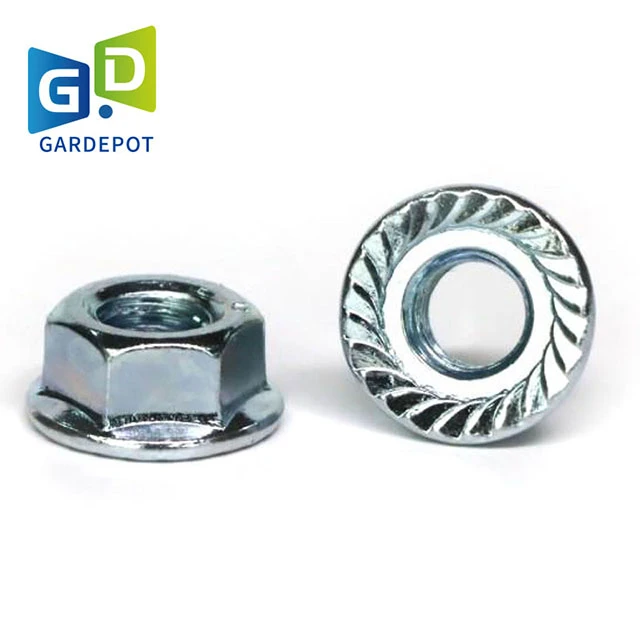
A threaded bolt is designed to create a strong connection between two or more components through the interaction of external threads and a nut or threaded hole. During installation, tightening the fastener generates clamping force that holds the components together.
The versatility of threaded bolts comes from the wide range of available specifications. Different projects may require variations in diameter, length, thread pitch, head shape, material, and surface treatment. For example, hex-head designs are commonly used when tools need to apply substantial tightening torque, while other head configurations may be selected based on space limitations or appearance.
Material selection also affects performance. Carbon steel is frequently used for general industrial fastening, while alloy steel can be chosen for applications requiring higher mechanical strength. Stainless steel is another option when resistance to moisture and corrosion is important.
The correct specification should always be determined according to the load, material thickness, installation environment, and applicable technical standards. A properly selected bolt can provide a stable connection without unnecessarily increasing material or installation costs.
Long Threaded Bolt Options for Thick and Multi-Layer Components
A long threaded bolt becomes useful when a standard fastener cannot provide enough reach through the components being assembled. This situation can occur when several layers of material need to be joined, when structural sections are particularly thick, or when additional space is needed for washers, spacers, and nuts.
Long bolts are commonly considered for structural fabrication, industrial equipment, machinery frames, agricultural equipment, and heavy-duty assemblies. Their extended length allows the fastener to pass through the complete assembly while maintaining sufficient engagement with the nut.
However, selecting the correct length requires more than simply choosing the longest available option. Excessive bolt length may interfere with nearby components, complicate installation, or create unnecessary exposed threads. A suitable bolt should provide enough thread engagement without leaving excessive material outside the connection.
For purchasing departments and distributors, it is also important to confirm how bolt length is measured. Different head styles and manufacturing standards may use different measurement conventions. Checking technical drawings and product specifications before placing an order can help prevent dimensional errors.
Fully Threaded Bolts for Flexible Positioning and Fastening
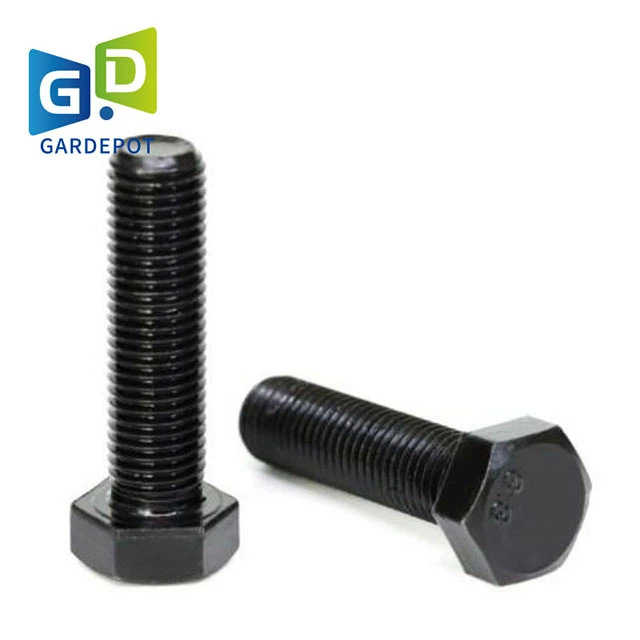
Unlike bolts with a partially threaded shank, fully threaded bolts feature threads along essentially the entire usable shaft. This configuration can provide additional flexibility when the fastening point does not have a fixed material thickness.
Continuous threading allows the nut to be positioned at different points along the shaft. This can be useful for assemblies where components need to be adjusted during installation or where the distance between fastening surfaces varies.
Fully threaded designs are often considered for machinery, metal fabrication, equipment installation, maintenance work, and other applications requiring adaptable fastening. They can also be useful when maximum thread engagement is desired across the available fastening area.
The continuous thread pattern can make these bolts convenient for applications involving spacers or multiple components. Nevertheless, users should ensure that the selected fastener has sufficient strength and that the thread specification matches the mating nut or threaded hole.
For demanding applications, factors such as tensile strength, shear loads, vibration, temperature, and environmental exposure should be evaluated rather than relying solely on bolt dimensions.
Threaded Bolt Specifications That Influence Performance
When purchasing a threaded bolt, buyers should examine several specifications rather than focusing only on diameter and length. Thread pitch is particularly important because the bolt must match the corresponding nut or threaded hole.
Coarse threads are frequently used for general fastening and can be convenient for rapid installation. Fine threads may be preferred where more precise adjustment or increased thread engagement is required. The choice depends on the application and relevant engineering standards.
The bolt grade is another critical consideration. Higher-strength grades may be required for structural or heavy-load applications, while standard grades can be sufficient for less demanding assemblies. Using a fastener with inadequate strength can compromise the entire connection.
Surface treatment should also be considered. Zinc-coated or plated bolts can provide additional protection against corrosion, while stainless steel fasteners may be more appropriate for humid, outdoor, or corrosive environments.
Dimensional accuracy is equally important. Consistent thread quality helps ensure smooth nut engagement and reduces installation problems, particularly in automated or high-volume manufacturing environments.
Long Threaded Bolt and Fully Threaded Bolts for Different Projects
The choice between a long threaded bolt and fully threaded bolts depends largely on the structure and fastening method of the project.
A long bolt is primarily selected when additional length is required to pass through thick or multiple components. Its longer shaft provides greater reach while maintaining the necessary connection between the nut and the assembled parts.
Fully threaded bolts, on the other hand, are useful when adjustable thread engagement is more important than having a long unthreaded section. They provide greater flexibility for positioning the nut and can accommodate different assembly thicknesses.
In some applications, a long bolt may also have a fully threaded configuration. Therefore, length and thread coverage should be treated as separate specifications when selecting products.
Understanding these characteristics allows buyers to create a more precise fastening specification instead of choosing products based only on general bolt size.
Threaded Fasteners Across Construction and Manufacturing
Threaded fasteners are used in numerous industries because bolted connections are both strong and serviceable. Construction projects use them for structural assemblies, supports, brackets, and equipment installation. Manufacturing facilities rely on them for machinery frames, mechanical components, production equipment, and maintenance operations.
In agricultural machinery, longer fasteners may be required for thick structural sections, while fully threaded products can provide greater flexibility during equipment assembly. Metal fabrication and industrial maintenance also benefit from fasteners that can be removed and replaced without permanently damaging the connected components.
For distributors and industrial buyers, product consistency is an important purchasing factor. Reliable thread dimensions, material quality, surface finish, and mechanical properties can contribute to smoother installation and more predictable performance.
Conclusion
Threaded fasteners provide a practical solution for applications where strong yet serviceable connections are required. The right choice depends on more than simply selecting a bolt that fits a hole. Length, thread coverage, material, strength grade, surface treatment, and application requirements all influence fastening performance.
By understanding the differences between a threaded bolt, a long threaded bolt, and fully threaded bolts, buyers can select products more efficiently for construction, machinery, manufacturing, and industrial maintenance applications. Careful specification and reliable product quality can ultimately contribute to safer assemblies, easier installation, and longer service life.