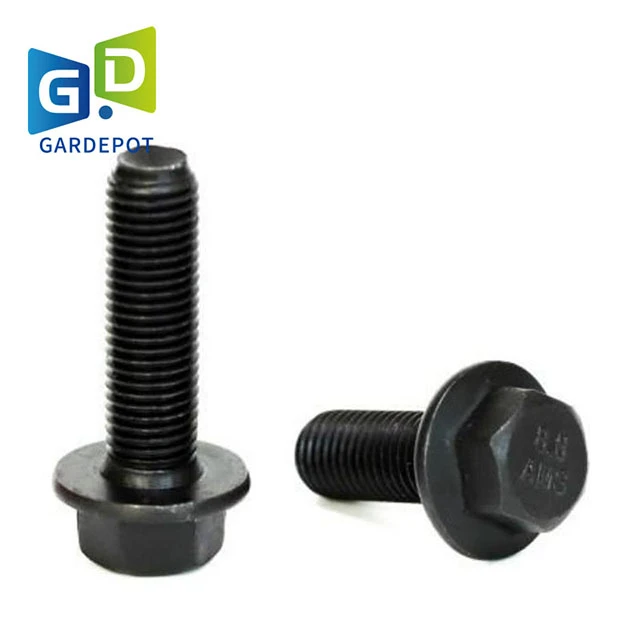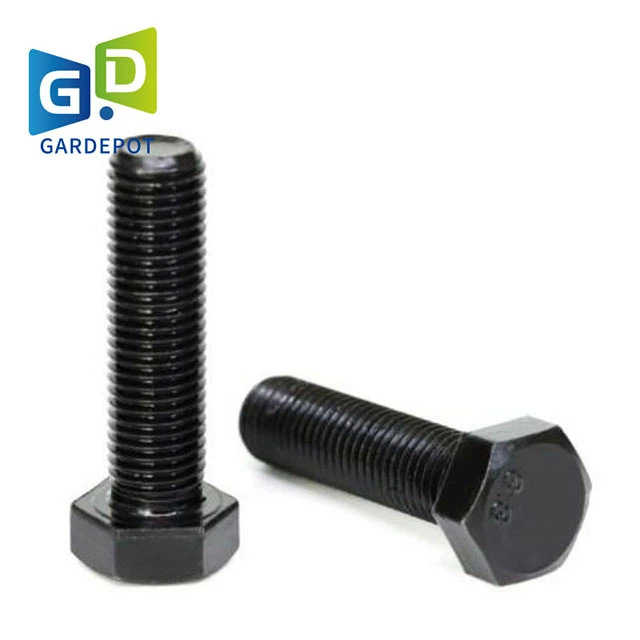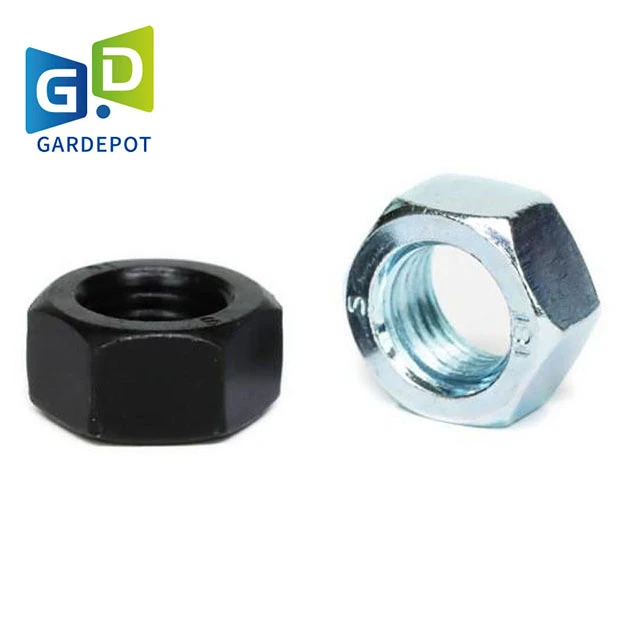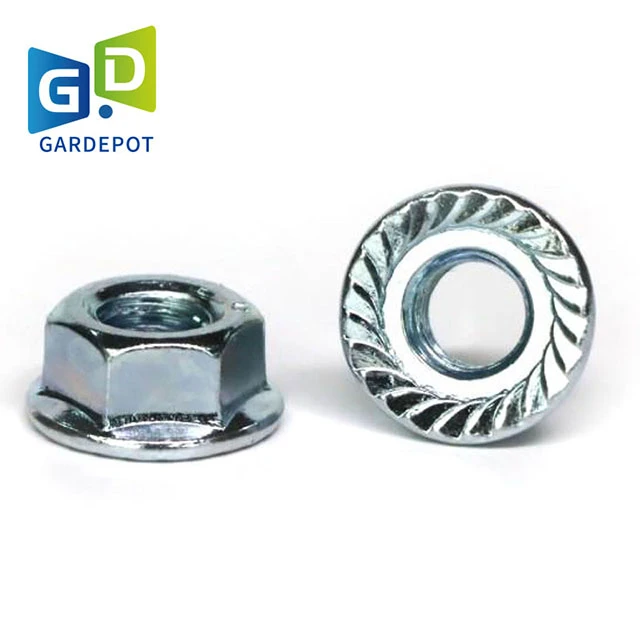
Roofing fasteners are small components, but they play a critical role in the durability, weather resistance, and overall performance of a roofing system. From residential houses to commercial buildings and industrial facilities, the right fastener helps secure roofing materials and maintain structural stability under changing weather conditions.
There are many types of roof fasteners available on the market, and each type is designed for specific roofing materials, environments, and installation requirements. Roofing nails remain one of the most widely used options because they are simple to install, reliable, and available in different materials and finishes. Understanding the differences between stainless steel, galvanized, and aluminum roofing nails can help contractors, builders, and buyers select the most suitable solution.

Types of Roof Fasteners for Different Roofing Applications
The main types of roof fasteners include roofing nails, screws, bolts, clips, and specialized fastening systems. The appropriate choice depends on the roofing material, building structure, exposure to moisture, and expected service life.
Roofing nails are commonly used with asphalt shingles, roofing felt, underlayment, and certain metal roofing applications. Roofing screws, meanwhile, are often selected for metal panels because their threads provide strong holding power and can accommodate expansion and contraction.
Fastener material is equally important. Steel fasteners are known for strength, while stainless steel provides excellent corrosion resistance. Galvanized fasteners offer a practical combination of protection and cost efficiency, whereas aluminum is lightweight and naturally resistant to corrosion.
When choosing among different fasteners, buyers should consider nail dimensions, head design, shank type, coating, tensile strength, and compatibility with the roofing material. Selecting a fastener based only on price may result in premature corrosion or insufficient holding strength.
Stainless Steel Roofing Nails for Long-Term Corrosion Resistance
Stainless steel roofing nails are widely valued for their excellent resistance to rust and corrosion. They are particularly suitable for buildings located in coastal areas, regions with high humidity, or environments where roofing components are regularly exposed to moisture and salt-laden air.
Unlike ordinary steel nails, stainless steel fasteners maintain their protective properties without relying solely on an external coating. This makes them a dependable choice for applications where long-term durability is a priority.
Another advantage of stainless steel is its compatibility with many roofing materials. These nails can be used in applications involving shingles, roofing membranes, flashing, and other roofing components, depending on the specifications of the project.
Although stainless steel nails may have a higher initial cost than standard steel alternatives, their corrosion resistance can reduce maintenance requirements and replacement frequency. For premium roofing projects and demanding environments, this long-term performance can make stainless steel a cost-effective investment.
Galvanised Roof Nails for Practical Roofing Projects
Galvanised roof nails are a popular option for contractors and manufacturers looking for a balance between durability and affordability. Galvanization involves applying a protective zinc layer to steel, helping protect the underlying material against corrosion.
These nails are commonly used in residential and commercial roofing projects where reliable fastening performance is required. Their steel core provides good mechanical strength, while the zinc coating improves resistance to moisture and environmental exposure.
There are different galvanizing methods and coating thicknesses, so buyers should consider the intended application before making a selection. A fastener designed for a mild indoor or sheltered environment may not provide the same performance as one manufactured for prolonged outdoor exposure.
Galvanised nails can also be available in different shank configurations, head diameters, and lengths. Choosing the correct size is important because the nail must provide sufficient penetration and holding power without damaging the roofing material.
For large-scale construction projects where thousands of fasteners may be required, galvanized options are often attractive because they combine dependable performance with competitive purchasing costs.
Aluminum Roofing Nails for Lightweight Roofing Systems
Aluminum roofing nails offer a different combination of properties compared with steel-based fasteners. Aluminum is lightweight and naturally resistant to corrosion, making these nails useful for certain roofing applications where weight and environmental exposure need to be considered.
One important advantage of aluminum is its compatibility with aluminum roofing materials. Using compatible metals can help reduce concerns related to galvanic corrosion in suitable installation conditions. This makes aluminum nails an option for specific metal roofing and flashing applications.
Because aluminum is softer than steel, however, it does not provide the same mechanical strength as many steel fasteners. Contractors should therefore select aluminum nails according to the load requirements and installation method of the roofing system.
Aluminum roofing nails can also be useful where minimizing fastener weight is beneficial. Their corrosion resistance makes them suitable for humid environments, although compatibility with surrounding materials and local building requirements should always be evaluated before installation.
How to Select the Right Roofing Fastener
Choosing the correct fastener involves more than selecting a nail material. Several factors should be evaluated to ensure reliable performance throughout the expected service life of the roof.
Roofing material: Different roofing materials require different fastener types and dimensions. Asphalt shingles, metal panels, roofing felt, and flashing may have different fastening requirements.
Environmental conditions: Coastal, humid, industrial, and high-rainfall environments can accelerate corrosion. In these conditions, corrosion-resistant materials such as stainless steel or aluminum may be preferred.
Fastener dimensions: Nail length, diameter, head size, and shank configuration should match the roofing material and substrate. An incorrectly sized fastener may reduce holding power or cause installation problems.
Installation method: Pneumatic nail guns and manual installation may require fasteners with specific specifications. Consistent feeding and reliable driving performance are particularly important for professional roofing contractors.
Service life: The expected lifespan of the roof should also influence fastener selection. A long-lasting roofing system should generally be paired with fasteners capable of providing comparable durability.
Comparing Stainless Steel, Galvanised, and Aluminum Roofing Nails
When comparing stainless steel roofing nails, galvanised roof nails, and aluminum roofing nails, there is no single material that is ideal for every project.
Stainless steel is a strong choice when maximum corrosion resistance and long-term performance are priorities. Galvanized steel provides a practical solution for many general roofing applications, particularly when strength and cost efficiency are important. Aluminum is lightweight and corrosion-resistant, making it suitable for selected roofing materials and applications.
The final decision should take into account the roof material, climate, installation conditions, structural requirements, and project budget. Buyers should also verify applicable construction standards and manufacturer specifications before ordering.
Conclusion
Understanding the different types of roof fasteners makes it easier to select products that support the performance and longevity of a roofing system. Stainless steel, galvanized steel, and aluminum roofing nails each offer distinct benefits and should be chosen according to the specific demands of the project.
By considering corrosion resistance, mechanical strength, material compatibility, dimensions, installation requirements, and service life, contractors and distributors can make more informed purchasing decisions. The right roofing fastener may be a small component, but it can have a significant impact on the reliability and durability of the entire roof.