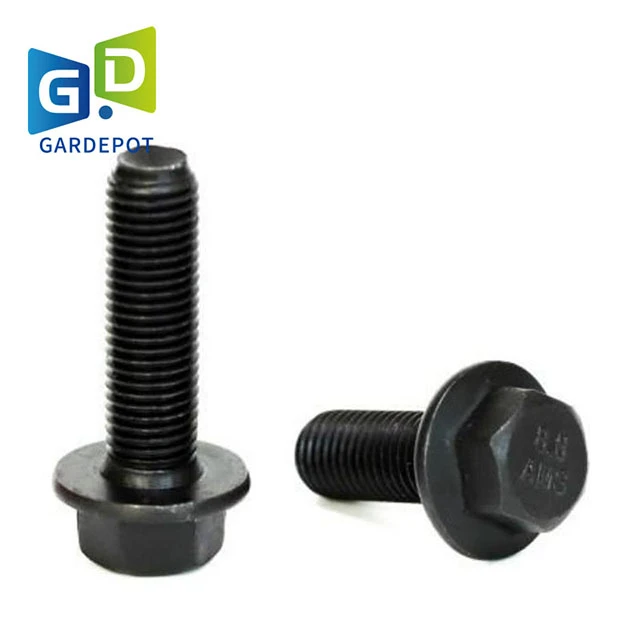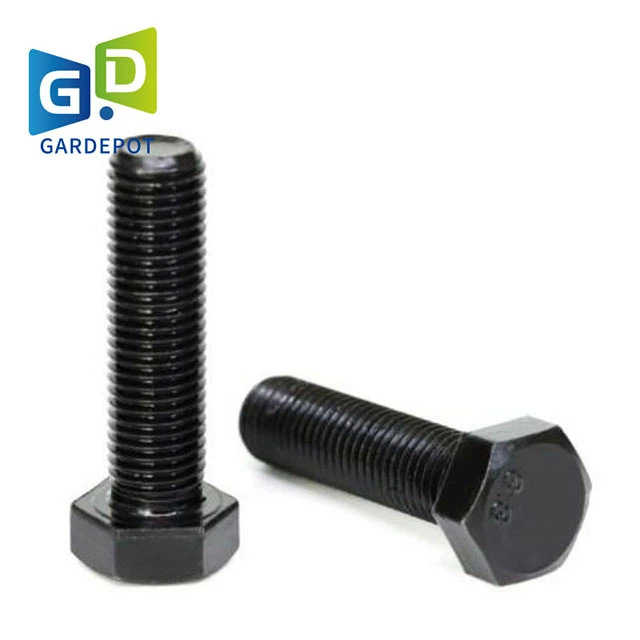
Selecting the right fastener is an important part of creating a secure and practical mechanical assembly. Different structures require different bolt head styles, dimensions, thread specifications, and materials. Among commonly used options, hex bolts are valued for their straightforward installation and strong clamping capability, while countersunk bolts are designed for applications where a flush or low-profile surface is preferred. For buyers comparing hex bolts for sale, understanding the differences between these fastening solutions can make purchasing more efficient.
Countersunk bolts are available in various sizes to suit different materials and assembly requirements. Common specifications include 1 2 countersunk bolt, 1 4 countersunk bolt, 3 8 countersunk bolt, and 5 16 countersunk bolt. Although the dimensions may appear similar, each size provides a different combination of shaft diameter, strength, clearance, and installation requirements. Choosing the correct specification should therefore consider the joint design, material thickness, hole size, load conditions, and available installation space.

Hex Bolts for Sale for General Mechanical Applications
When buyers search for hex bolts for sale, they are often looking for a practical fastening solution that can be used across machinery, structural components, equipment assembly, and maintenance projects. Hex bolts feature a six-sided head that can be tightened with a standard wrench or socket, making them convenient for both production environments and field installation.
One advantage of hex bolts is their accessibility. The external hexagonal head provides several contact points for a wrench, allowing installers to apply controlled tightening force. This makes hex bolts suitable for joints that may need regular inspection, adjustment, or maintenance. Depending on the application, buyers can select different materials, thread configurations, finishes, and lengths.
For bulk purchasing, specifications should be confirmed before comparing prices. A purchasing list can include bolt diameter, length, thread type, material grade, surface finish, head dimensions, and quantity. Packaging is also important for large projects because clearly labeled cartons can help prevent different sizes from being mixed during storage and installation.
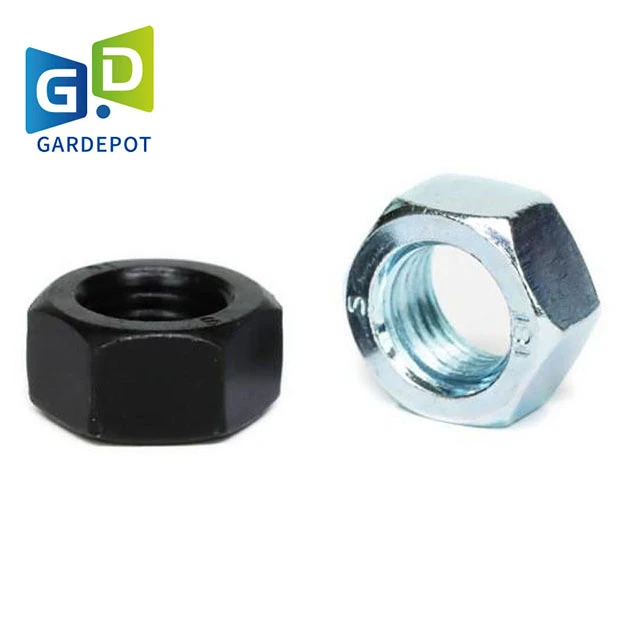
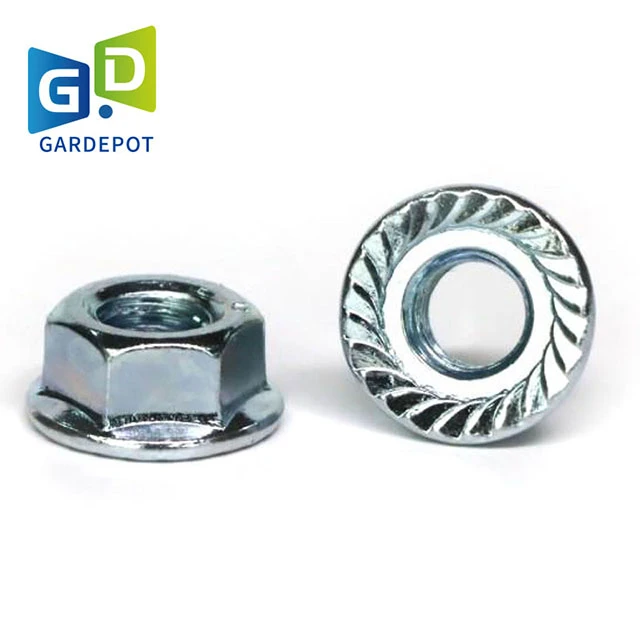
Hex bolts can also be paired with nuts and washers to create a complete fastening assembly. The washer can help distribute clamping pressure and protect the contact surface, while the nut provides the mating thread. Selecting compatible components as a complete system helps improve installation consistency.
1 2 Countersunk Bolt for Flush-Surface Assembly
A 1 2 countersunk bolt is useful when the bolt head needs to sit within a prepared countersunk hole rather than remain above the surface. This configuration can provide a smoother external profile and reduce interference with adjacent components, panels, covers, or moving parts.
Before selecting this size, buyers should confirm that the mating material can accommodate the required countersink. The countersunk angle, hole diameter, material thickness, and bolt head dimensions all affect the final fit. If the countersink is too shallow, the head may remain above the surface. If it is too deep, excessive material may be removed around the fastening point.
The bolt length should also be calculated based on the complete joint rather than the thickness of only one component. Account for washers or nuts where applicable and make sure enough thread remains available for secure engagement.
For manufacturers and distributors, 1 2 countersunk bolt specifications should be clearly stated on product documentation. Drawings showing head diameter, shaft diameter, thread length, and overall length can make it easier for customers to verify compatibility before placing an order.
1 4 Countersunk Bolt for Compact Components
The 1 4 countersunk bolt can provide a practical fastening option for smaller mechanical assemblies and components where a relatively low-profile connection is required. Its countersunk head allows the fastener to be recessed into a prepared hole, helping maintain a cleaner surface.
This feature can be especially useful for equipment panels, brackets, enclosures, fixtures, and other assemblies where exposed bolt heads could interfere with surrounding parts. However, the final selection should always be based on the engineering requirements of the application rather than bolt diameter alone.
When ordering a 1 4 countersunk bolt, buyers should review material, thread specification, length, head style, and surface finish. Corrosion exposure is another consideration for outdoor or industrial environments. A suitable protective finish can help maintain the fastener's service performance, while the base material should match the required strength and application conditions.
For OEM projects, consistent dimensions are particularly important because countersunk bolts must fit precisely into the prepared holes. Sample testing can help confirm that the head sits flush and that the threaded section provides adequate engagement.
3 8 Countersunk Bolt for Stronger Fastening Requirements
The 3 8 countersunk bolt provides a larger fastening diameter for assemblies that require a more substantial mechanical connection while still benefiting from a recessed head design. It can be considered for equipment construction, brackets, fabricated components, machinery, and other applications where surface clearance matters.
Compared with smaller countersunk bolts, this size may provide a larger bearing and threaded section, depending on the specific design and grade. However, buyers should not assume that a larger diameter automatically makes a joint suitable for higher loads. Joint strength depends on multiple factors, including bolt grade, thread engagement, substrate material, hole preparation, tightening method, and load direction.
Installation quality is equally important. The countersunk hole should be machined or prepared to the specified dimensions so that the bolt head sits evenly against the surface. Uneven seating can affect clamping and may create unnecessary stress around the hole.
For production orders, suppliers should provide accurate dimensional information so engineers and purchasing teams can verify the 3 8 countersunk bolt against the original design before confirming volume quantities.
5 16 Countersunk Bolt for Balanced Fastening Performance
The 5 16 countersunk bolt offers another commonly specified size for applications that require a recessed fastening point without using a larger bolt diameter. It can be selected for fabricated metal parts, machinery components, fixtures, panels, and general industrial assemblies where dimensional compatibility is important.
As with other countersunk fasteners, the bolt should be evaluated together with the mating hole. The head diameter and countersink geometry need to correspond with the prepared surface. Bolt length should provide sufficient thread engagement while avoiding unnecessary protrusion beyond the nut or receiving component.
For procurement teams, it is useful to identify the exact size in the purchase order rather than relying on a general description such as “countersunk bolt.” Including diameter, length, thread standard, material, finish, and quantity reduces the possibility of receiving a visually similar but dimensionally different product.
A sample order can also be useful before large-scale purchasing. It allows the buyer to check fit, head seating, thread compatibility, and installation performance under actual assembly conditions.
How to Select the Right Bolt Size for Your Project
Choosing between hex bolts and different countersunk bolt sizes starts with the design requirements. Hex bolts are often suitable when easy wrench access and conventional external-head fastening are preferred. Countersunk bolts are more appropriate when the application requires a recessed head and a smoother surface.
For 1 2 countersunk bolt, 1 4 countersunk bolt, 3 8 countersunk bolt, and 5 16 countersunk bolt specifications, buyers should verify the exact dimensional standard before ordering. Diameter is only one part of the selection process; length, thread, material, grade, head geometry, coating, and installation method can all influence the final result.
For bulk purchasing, working with a supplier that can provide drawings, samples, packaging information, and consistent production specifications can simplify procurement. Whether sourcing hex bolts for sale or countersunk bolts for a specific assembly, a complete specification helps ensure that the fastener selected matches the actual requirements of the project.